Study: Insurance discounts alone won't persuade most homeowners to climate-proof their homes
The findings come as insurers and state regulators increasingly look for ways to reduce catastrophic losses while helping homeowners cope with rapidly rising insurance premiums
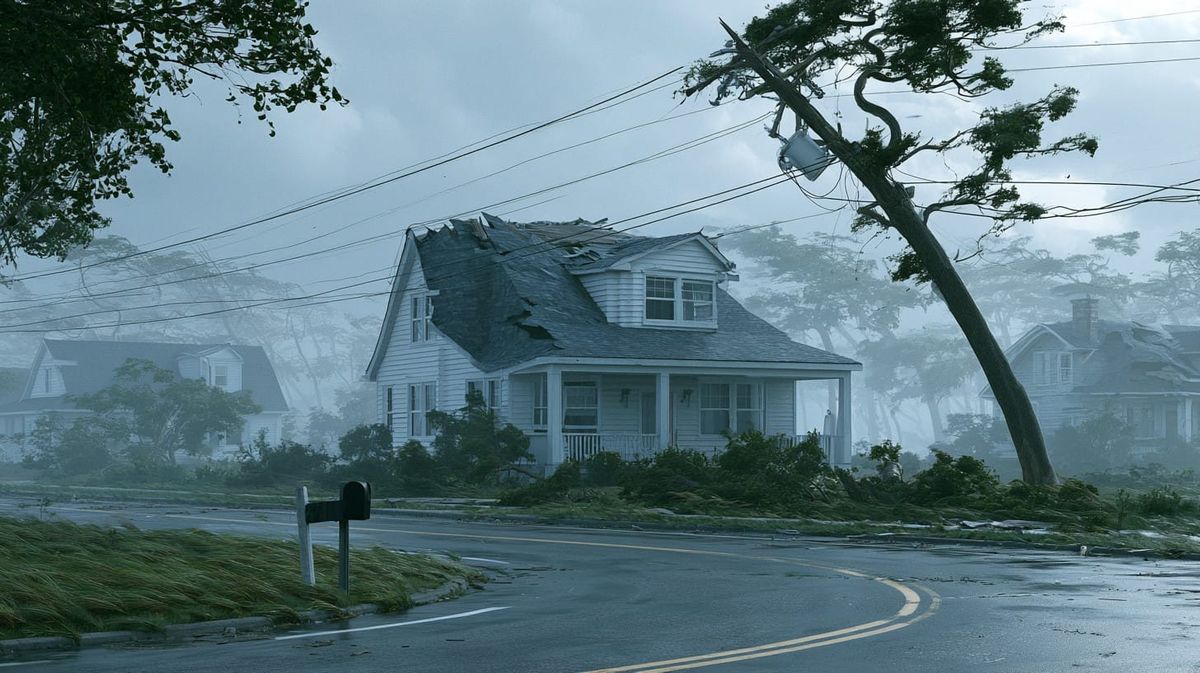
For years, insurers and regulators have promoted premium discounts as a way to encourage homeowners to strengthen their homes against increasingly severe weather. But a new study suggests that lower insurance bills alone may not be enough to motivate most people to invest thousands of dollars in home-hardening projects.
The research, reported this week by Insurance Journal, found that while homeowners appreciate insurance discounts for improvements such as stronger roofs, impact-resistant windows, wildfire-resistant landscaping and flood mitigation, the financial incentives often fall short of overcoming the high upfront costs and uncertainty surrounding those investments.
Instead, researchers found that homeowners make decisions based on a broader mix of factors, including:
- The immediate cost of upgrades.
- How long they expect to remain in the home.
- Whether they believe severe weather is likely to affect them personally.
- Confidence that insurers will continue offering meaningful premium discounts.
- The potential increase in resale value.
The findings arrive as insurers nationwide struggle with mounting losses from hurricanes, wildfires, hailstorms, flooding and other climate-driven disasters. In many regions, insurers have sharply increased premiums, tightened underwriting standards or stopped writing new policies altogether.
A growing affordability problem
Insurance companies increasingly argue that stronger homes benefit everyone.
A fortified roof may be less likely to suffer catastrophic damage during a hurricane. Ember-resistant vents can reduce wildfire losses. Elevating utilities above expected flood levels can significantly reduce water damage.
Those improvements lower expected claims, allowing insurers to offer premium credits.
But many homeowners face a difficult calculation.
A fortified roof, for example, may cost several thousand dollars more than a conventional replacement. Installing impact-resistant windows, wildfire-resistant materials or flood barriers can add tens of thousands of dollars to renovation budgets.
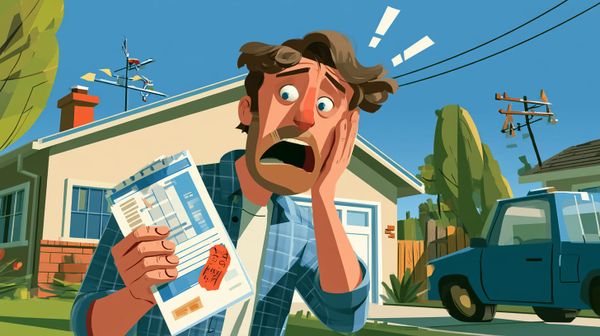
For families already struggling with rising mortgage payments, property taxes and insurance premiums, those costs can overwhelm the promise of future savings.
 James R. Hood
The psychology of resilience
Researchers say homeowners don't evaluate resilience projects the same way they evaluate routine home improvements.
Instead of focusing solely on expected financial returns, many consumers discount future benefits while giving much greater weight to immediate expenses.
Some also question whether they'll live in the home long enough to recover the investment through lower insurance premiums.
Others worry insurers could eventually reduce or eliminate premium credits, changing the economics after expensive upgrades have already been completed.
More than discounts may be needed
The study suggests insurers and policymakers may need broader strategies if they want significantly higher adoption rates.
Possible approaches include:
- Larger premium discounts.
- Direct grants or tax credits.
- Low-interest financing for resilience improvements.
- Building-code upgrades for new construction.
- Better consumer education about long-term savings and reduced disaster losses.
Several states, including Alabama and Louisiana, already offer grant programs to help homeowners install fortified roofs, while the nonprofit Insurance Institute for Business & Home Safety's FORTIFIED standard has gained growing recognition among insurers.
Climate risks continue to rise
The research comes amid continued concern over the growing cost of climate disasters.
Federal data show homeowners in higher-risk areas are paying substantially more for insurance than those in lower-risk regions, while nonrenewals have also increased in many vulnerable communities. Weather-related losses continue to place pressure on insurers, reinsurers and ultimately consumers through higher premiums.
Researchers conclude that while insurance discounts remain an important tool, they should be viewed as only one part of a larger strategy to encourage climate resilience.
Without additional financial support or stronger policy incentives, many homeowners may continue postponing upgrades that could reduce both disaster damage and future insurance claims.
What this means for consumers
If you're considering major home improvements, don't focus solely on the insurance discount. Ask your insurer whether specific upgrades qualify for premium reductions, but also consider other benefits such as improved safety, lower repair costs after storms, higher resale value and potential eligibility for state or local grant programs. In many cases, those combined benefits may justify the investment even when insurance savings alone do not.