Climate resilience checklist: Which home upgrades may earn insurance discounts?
Home-hardening improvements can reduce storm damage and may qualify for premium discounts, grants or lower deductibles. But savings vary widely by insurer, state, location and the age and construction of the house.
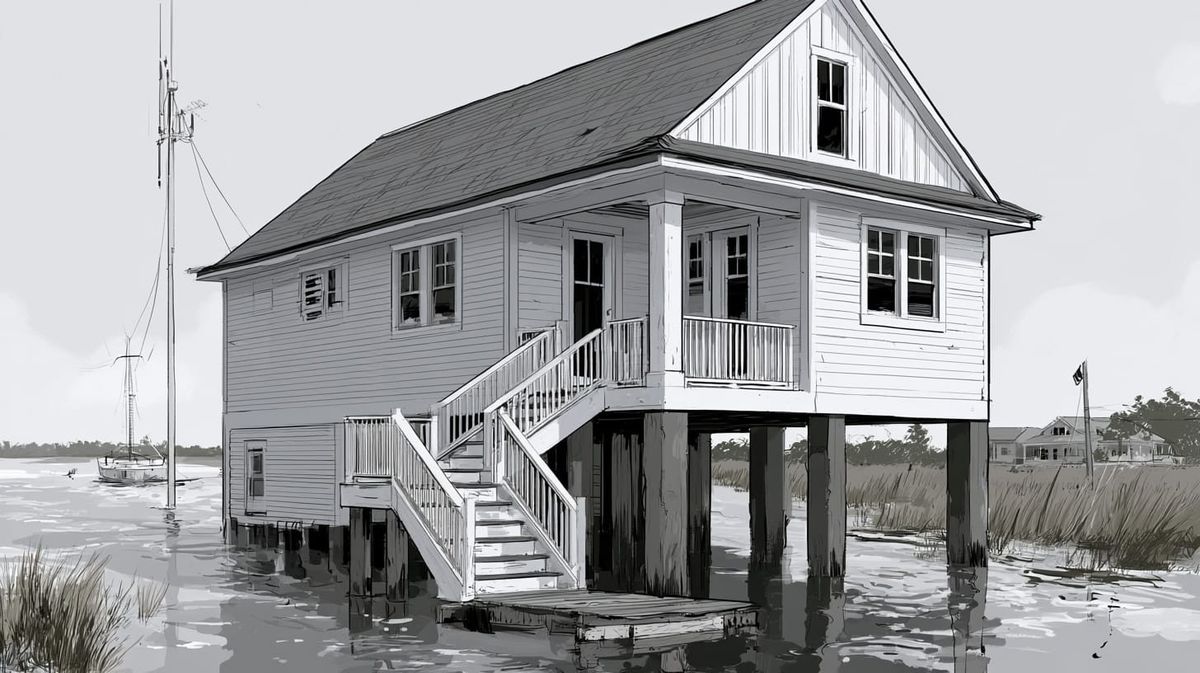
Fortifying your home against storm damage isn't cheap but discounts and grants can help ease the pain. Here are some of the most important steps.
1. Protect windows, doors and garage openings
What it involves: Impact-resistant windows and doors, storm shutters, reinforced garage doors or other approved opening protection.
Why it matters: Once wind enters through a broken opening, pressure can build inside the house and contribute to roof or structural failure.
Potential benefit: Florida insurers may offer some of their largest wind-mitigation discounts for verified opening protection. The study cited by Insurance Journal said discounts can reach as high as 44% for some mitigation combinations, although few homeowners should expect the maximum, Insurance Journal said.
Estimated Florida project cost: About $5,000 to $15,000 for impact windows or shutters, depending on the size of the home and the type of protection, according to My Safe Florida Home.
2. Strengthen the roof-to-wall connection
What it involves: Installing hurricane clips, straps or other metal connectors that secure the roof framing to the walls.
Why it matters: Stronger connections reduce the chance that high winds will lift the roof from the house.
Potential benefit: The Florida study found that stronger roof-to-wall connections and opening protection generally produced the greatest insurance savings. Their average value was estimated at roughly $6,000 over 25 to 30 years by Insurance Journal.
Estimated Florida project cost: About $800 to $3,000 when the framing is accessible, although complicated installations may cost more, according to My Safe Florida Home.
3. Install a stronger roof deck
What it involves: Adding more or stronger nails, improving the roof-deck attachment and sealing vulnerable joints.
Why it matters: A well-attached roof deck is less likely to peel away during high winds.
Estimated Florida project cost: About $1,000 to $4,000 for a roof-deck nailing upgrade.
Consumer tip: This work is generally easiest and least expensive when the roof covering is already being replaced.
4. Add a secondary water barrier
What it involves: Applying a sealed membrane beneath the shingles or other roof covering.
Why it matters: The barrier can help keep rain out even if shingles or tiles are blown off.
Estimated Florida project cost: About $500 to $2,500.
Insurance impact: It may qualify for a separate mitigation credit or contribute to a broader fortified-roof designation, depending on the insurer.
5. Consider a FORTIFIED roof
What it involves: Building or replacing a roof under the Insurance Institute for Business & Home Safety’s independently verified FORTIFIED standard.
The program includes stronger roof-deck attachment, sealed roof decking, improved roof-edge protection and other measures intended to keep wind and rain outside. Homes with a verified designation may qualify for insurance discounts, tax incentives, lower deductibles or grants in participating states.
North Carolina, for example, offers grants of up to $8,000 to some coastal policyholders, while some insurers offer discounts of up to $700 a year. Actual savings depend on location and the level of protection.
6. Elevate or flood-proof vulnerable systems
What it involves: Raising heating and cooling equipment, electrical panels, water heaters and other utilities above expected flood levels; installing flood vents; or, in some cases, elevating the entire house.
Why it matters: Homeowners insurance normally excludes flood damage. Flood-mitigation work is more likely to affect the cost of a separate National Flood Insurance Program or private flood policy.
FEMA says elevating a home may reduce NFIP premiums. Homeowners in communities participating in FEMA’s Community Rating System may also receive flood-insurance discounts ranging from 5% to 45%, although those communitywide discounts are separate from an individual homeowner’s renovation.
7. Reduce wildfire exposure
What it involves: Installing ember-resistant vents, using fire-resistant roofing and siding, clearing combustible material near the house and maintaining defensible space.
Why it matters: Embers can enter vents or ignite landscaping, fences, decks and debris near a home.
Insurance impact: Discounts and underwriting benefits are highly state- and carrier-specific. In some high-risk areas, mitigation may help a homeowner qualify for coverage but may not produce a clearly stated percentage discount.
Before signing a contract
Ask the insurer—not just the contractor—these questions:
- Which exact improvements qualify for a discount?
- Must the work meet a particular construction standard?
- Is an inspection or certification required?
- How much would the annual premium decline?
- Could the improvement also reduce a hurricane, wind or named-storm deductible?
- Will the discount continue if the policy is renewed or transferred to another carrier?
- Are state grants, tax credits or low-interest loans available?
Get the insurer’s answer in writing before beginning the work.
Grants can be more valuable than discounts
The new research suggests that grants and subsidies may do more than premium discounts to persuade cash-strapped homeowners to undertake expensive projects.
Florida’s My Safe Florida Home program currently offers eligible homeowners $2 in matching funds for every $1 they contribute, up to a $10,000 state contribution. Eligible low-income homeowners may receive up to $10,000 without matching funds or paying the full bill upfront, subject to available appropriations and program rules.
Bottom line
A premium discount should be treated as one part of the return—not the sole reason to undertake a project. The larger benefits may be avoiding catastrophic damage, making the home easier to insure and reducing the risk of displacement after a disaster.