National Safety Recall, Sept. 15
Gas tanks and "immune boosters" lead the recall rundown.
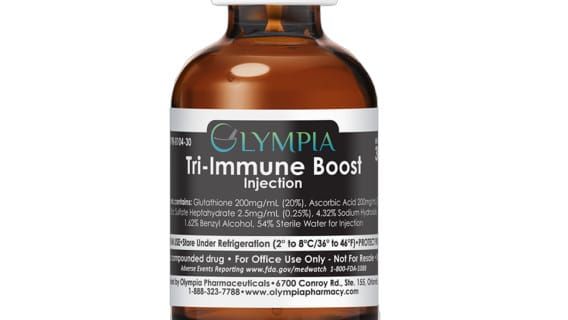
Today's list is led by a major Ford F-150 recall that has only now become broadly visible to owners and the FDA posted a nationwide recall of compounded injectable “wellness” products that can cause shock or death.
223,472 Ford F-150s — fuel tank can leak or fall off
Ford is recalling 223,472 model-year 2023–2027 F-150 pickups because the front fuel-tank strap may not have been properly secured during assembly. The tank can leak fuel or actually detach while the truck is moving. A detached tank can become a road hazard; leaking fuel can cause the engine to stall and increases the risk of fire. The NHTSA campaign is 26V578 / Ford 26S69, according to About Automobile.
The recall was filed September 9, but affected VINs became searchable on September 14, which is why it is getting wider attention now. Ford says dealers will inspect the straps and replace them if necessary at no charge; owner letters are expected beginning September 21. Ford had identified 16 warranty claims but no crashes or injuries through August 27.
Check a vehicle by VIN at NHTSA
Compounded injections — endotoxin contamination, nine adverse reactions
FDA posted on September 13 a nationwide Centric Compounding recall covering six lots of injectable Glutathione, Myer’s Cocktail and Tri-Immune Boost products after they were made with an ingredient containing elevated endotoxin levels. FDA says contaminated injectable products can cause fever, dangerously low blood pressure, inflammatory reactions, anaphylactic shock and death. (U.S. Food and Drug Administration)
Centric has received nine reports involving symptoms including fever, chills, chest pain, nausea or vomiting, headache and malaise. The 30-mL multidose vials were distributed nationwide both directly to patients and to prescribers. Consumers are being told to stop using and discard affected vials. (U.S. Food and Drug Administration)
These are compounded injections marketed for purposes such as “immunity,” fatigue and general wellness, not obscure hospital-only products.
FDA recall notice and affected lot numbers
Also on the NHTSA docket
A recall of 14,014 Can-Am motorcycles covers 2024–2027 Spyder F3 and Spyder RT models and 2025–2027 Canyon, Origin and Pulse models. Their touchscreen instrument clusters can reset, freeze or go blank, eliminating speed and warning-light information and raising crash risk. The repair is a free software update, either over the air or at a dealer. The campaign is 26V575. (ARFC)
We also found 8,521 model-year 2026 Toyota C-HR EVs under recall because improperly programmed battery-control software can allow the traction battery to become overcharged under some driving conditions. The protection system can then shut down the electric drive system, causing sudden loss of propulsion. Dealers will reprogram the BEV control unit for free; campaign 26V570 / Toyota 26TA17. (ARFC)
Both were filed earlier in September but have only recently begun appearing prominently in recall reporting.
FDA allergy alert
Whole Foods recalled Cabricharme raw-milk cheese sold at 18 stores in Arizona, California, Connecticut, Massachusetts, New Jersey, New York and Rhode Island because it contains egg lysozyme without declaring egg on the label. That can cause a potentially life-threatening reaction in people with an egg allergy. No illnesses have been reported. FDA posted the recall September 11. (U.S. Food and Drug Administration)
CPSC and USDA FSIS
CPSC: No new recall has been posted since its large September 10 batch. The agency’s live recall page still begins with that date, including the Ricky Joy candy, button-battery toys, Prepared Hero fire spray and other items we already covered. (U.S. Consumer Product Safety Commission)
USDA FSIS: No newer action surfaced. One item that slipped through an earlier roundup is the September 9 recall of 264 pounds of De Todito Natural and BBQ snack mixes containing Colombian chicharrón. Colombia is not eligible to export meat products to the U.S., and the packages lack required import marks. They went to New Jersey and Utah. No illnesses have been reported. (Food Safety News)