How data centers can raise your utility bill — four different ways
The energy grid in the U.S. is under increasing strain and guess who may get stuck with the bill to upgrade it.

Data centers don’t just consume enormous amounts of electricity. Their rapid expansion can create costs throughout the energy system — and some of those costs may eventually be passed on to households.
1. New power plants
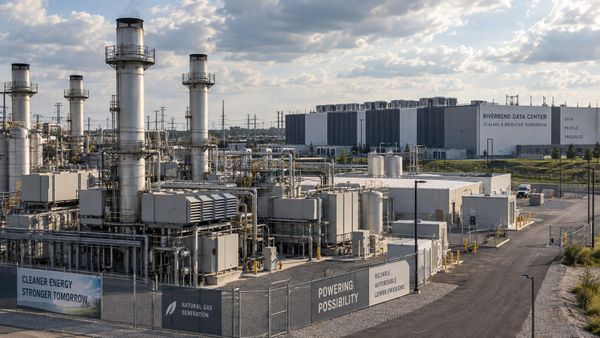
Utilities may need to build new natural-gas plants or other generating capacity to meet data-center demand.
If state regulators allow those costs into the utility’s rate base, residential customers can wind up helping pay for facilities built largely to serve very large commercial users.
2. More transmission and grid upgrades
A giant data center may require new substations, transmission lines, transformers and other infrastructure.
Those investments can cost billions of dollars. The key regulatory question is whether the data-center operator pays the full cost or whether some of it is spread among everyone connected to the system.
3. Higher natural-gas prices
Gas-fired power plants are expected to provide much of the electricity needed by new data centers.
If data centers sharply increase demand for natural gas at the same time LNG exports are also rising, gas prices could come under pressure.
Households that heat with natural gas could then feel the effect directly, while electricity customers could also pay more in regions heavily dependent on gas-fired power.
4. Paying for projects that don’t last
Perhaps the biggest long-term risk is stranded infrastructure.
Utilities may build power plants, pipelines or grid upgrades based on forecasts of enormous AI demand. But if a planned data center is canceled, downsized or becomes obsolete, the infrastructure — and its financing costs — may remain.
Regulators then have to decide who pays for an investment that is no longer fully needed.
 The Editors
What consumers should watch
When a major data-center project is announced, the most important question may not be how many jobs it promises.
It may be this:
Who is contractually responsible for the new power plants, transmission lines and other infrastructure required to serve it — the data-center company or everyone else on the utility system?