Meta’s Smart Glasses Renew Privacy Concerns as Adoption Grows
Competition is likely to increase the number of similar devices in the near future.
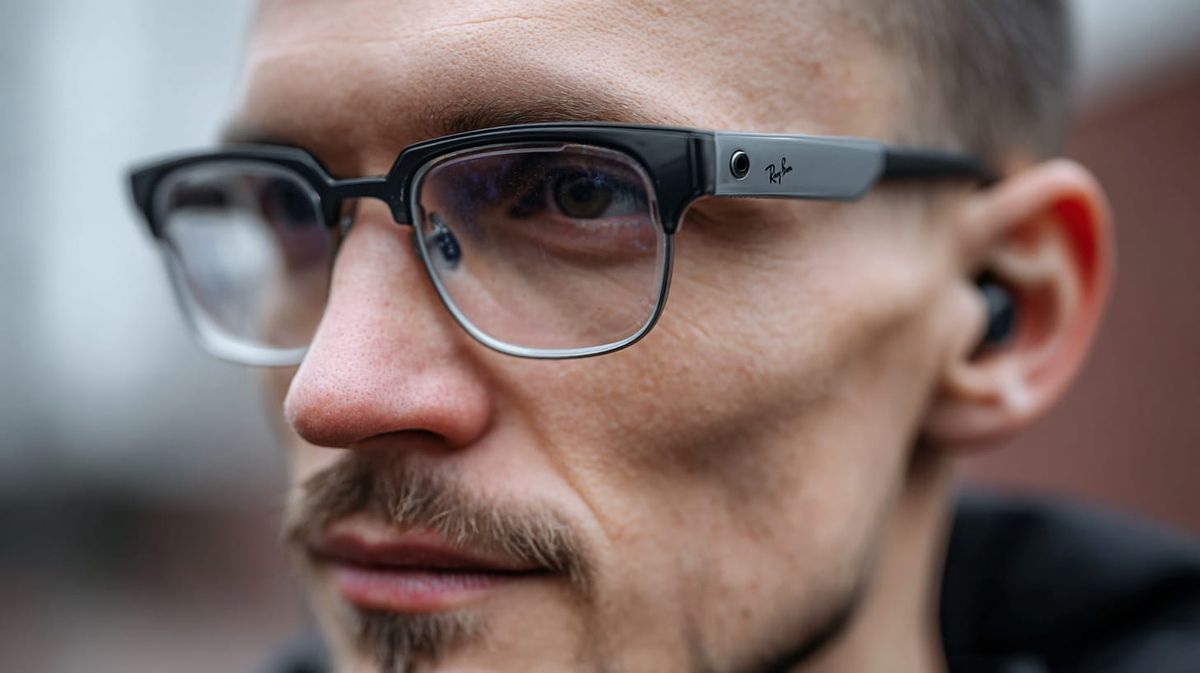
Meta’s latest generation of smart glasses is gaining traction with consumers, but the devices are also reviving familiar concerns among privacy advocates, regulators, and everyday bystanders who may be recorded without their knowledge.
The glasses, developed in partnership with eyewear giant EssilorLuxottica and marketed under the Ray-Ban Meta brand, combine a traditional frame design with embedded cameras, microphones, speakers, and artificial intelligence features. Users can capture photos and video, livestream content, take calls, and interact with Meta’s AI assistant using voice commands.
While Meta positions the product as a hands-free way to stay connected, critics say the technology blurs the line between convenience and surveillance.
“This is essentially a camera you wear on your face all day,” said Albert Fox Cahn, executive director of the Surveillance Technology Oversight Project. “That raises serious questions about consent, especially for people who are recorded without realizing it.”
The latest models include improved battery life, higher-resolution cameras, and tighter integration with Meta’s AI ecosystem. Users can ask the glasses to identify objects, translate languages, or provide real-time information about their surroundings. Meta says these features are designed to make everyday tasks easier and more intuitive.
 James R. Hood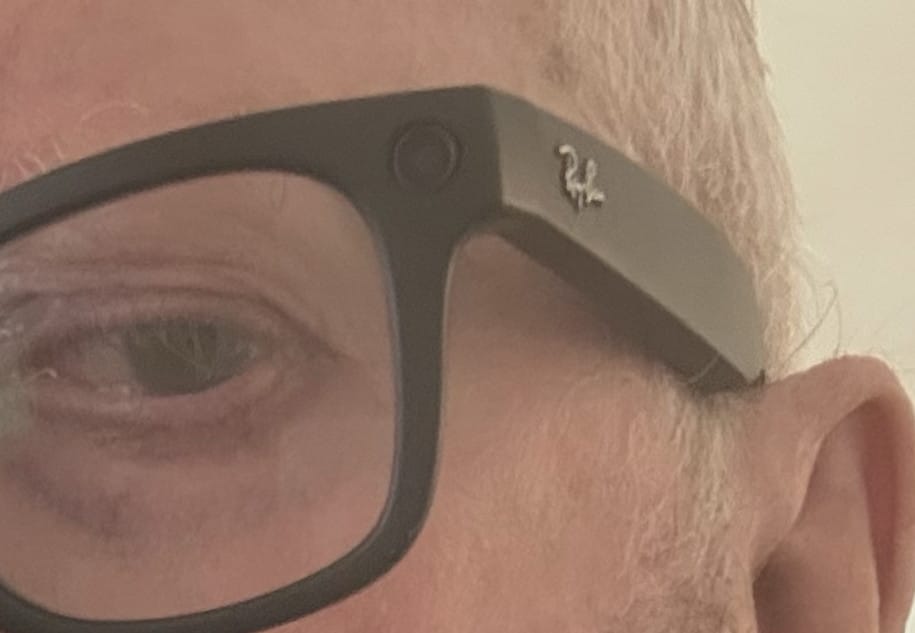
Potential for misuse
But privacy advocates warn that the addition of AI capabilities significantly increases the potential for misuse.
“When you combine always-on sensors with AI that can analyze what it sees and hears, you move into a much more sensitive territory,” said Calli Schroeder, senior counsel at the Electronic Privacy Information Center. “It’s no longer just about recording—it’s about interpreting and potentially storing that information.”
Meta says it has built safeguards into the product. A small LED light on the front of the glasses illuminates when the camera is active, signaling to others that recording is taking place. The company also says it limits certain types of facial recognition and does not allow third-party developers to access raw camera feeds without user consent.
“We’ve worked closely with privacy experts and regulators to design features that respect people’s expectations,” a Meta spokesperson said in a statement. “Transparency and user control are central to the experience.”
Is that enough?
Still, critics question whether those safeguards are sufficient in real-world settings.
In crowded environments such as public transportation, restaurants, or retail stores, it may be difficult for bystanders to notice the recording indicator or understand what it signifies. Some experts also note that similar visual cues have proven ineffective in past wearable devices.
“Google Glass had a similar concept, and it didn’t resolve the underlying concern,” said Avi Greengart, president of Techsponential. “People don’t want to wonder whether they’re being recorded during everyday interactions.”
The issue has drawn attention from regulators in both the United States and Europe. Ireland’s Data Protection Commission, which oversees Meta’s European operations, has previously sought assurances about how the company handles data collected through wearable devices. In the U.S., lawmakers have raised questions about whether existing privacy laws adequately address emerging technologies like smart glasses.
Unlike smartphones, which are typically held up and visible when recording, smart glasses can operate more discreetly. That distinction has led some policymakers to call for updated rules requiring clearer notification or limitations on use in certain settings.
“There’s a gap between what current laws cover and what these devices can do,” said a staff attorney at a consumer protection group who was not authorized to speak publicly. “We’re still relying on frameworks that were developed before wearable AI became practical.”
Consumer sentiment mixed
Consumer sentiment appears mixed. Early adopters have praised the glasses for their convenience, particularly for capturing moments without interrupting activities. Content creators and social media influencers have also embraced the technology as a way to produce more immersive video.
But surveys suggest that a significant portion of the public remains uneasy about being recorded without explicit consent. A 2025 Pew Research Center study found that 62 percent of Americans are concerned about the use of facial recognition and similar technologies in everyday life, a sentiment that extends to wearable devices.
Retailers and businesses are also grappling with how to respond. Some establishments have considered policies restricting the use of recording-enabled wearables, similar to existing rules around photography. However, enforcement may be challenging.
“It’s one thing to ban handheld cameras, but it’s another when the camera is part of someone’s eyewear,” said a restaurant owner in Northern Virginia. “You can’t realistically check every customer.”
Competition growing
Meta is not alone in pursuing the smart glasses market. Competitors including Apple, Google, and several startups are reportedly developing their own versions, signaling that wearable computing could become a major new category.
Industry analysts say the success of these products may depend as much on public trust as on technical innovation.
“If consumers feel uncomfortable, adoption will stall,” Greengart said. “The companies that win will be the ones that can convincingly address privacy concerns, not just add features.”
For now, Meta continues to promote its glasses as a step toward a broader vision of augmented reality, where digital information seamlessly overlays the physical world. CEO Mark Zuckerberg has described wearable devices as a key part of the company’s long-term strategy.
“We believe glasses are the ideal form factor for AI,” Zuckerberg said during a recent earnings call. “They let you stay present in the world while accessing powerful technology.”
That vision, however, may hinge on resolving the tension between innovation and privacy—a challenge that has followed Meta through multiple product cycles.
As smart glasses move closer to the mainstream, the debate over how they should be used—and regulated—is likely to intensify.
“Technology is moving faster than social norms,” Schroeder said. “The question is whether we can catch up before these devices become ubiquitous.”