Skinny but bald? GLP-1 drugs linked to increased risk of hair loss
A large study found that people taking GLP-1 drugs were more likely to be diagnosed with hair loss than patients using two other common classes of diabetes medication.
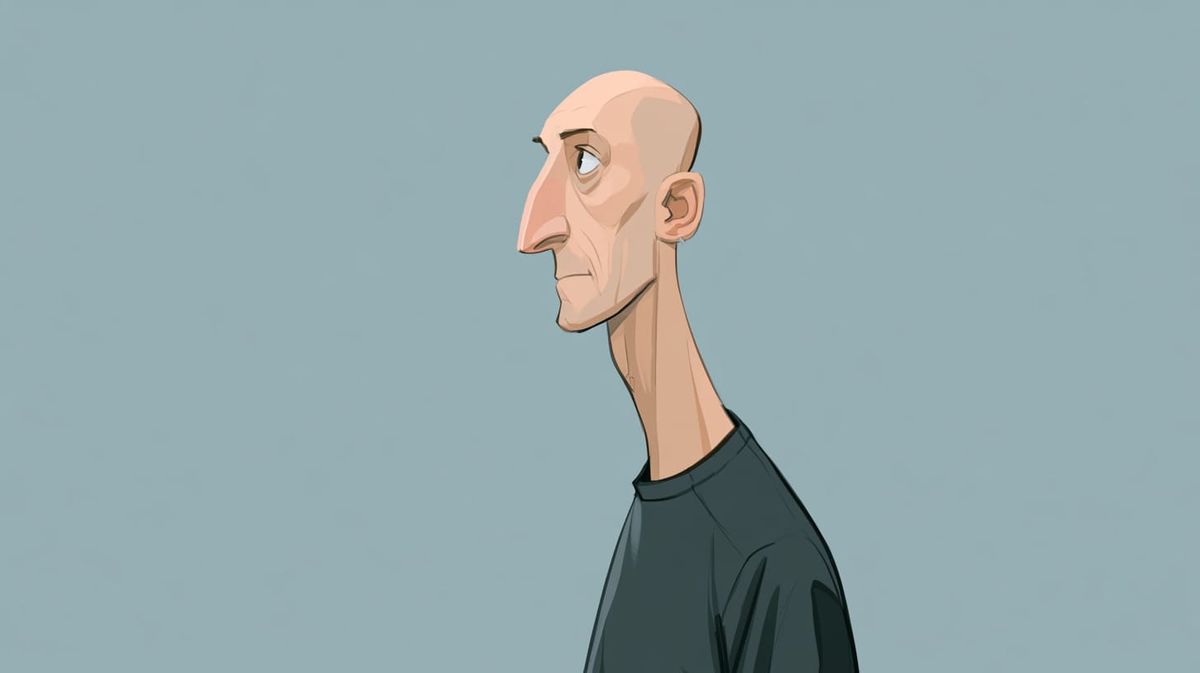
Popular weight-loss and diabetes drugs may come with an unexpected tradeoff: Patients may lose pounds — and some may also lose hair.
Adults taking GLP-1 medications such as Ozempic, Wegovy, Mounjaro and Zepbound were more likely to develop alopecia than people taking two other types of diabetes drugs, according to a new University of Pennsylvania study published in The BMJ.
The study found that GLP-1 users had a 37% higher risk of hair loss than patients taking SGLT-2 inhibitors, a class that includes Jardiance and Farxiga. The risk was 68% higher when GLP-1 users were compared with patients taking DPP-4 inhibitors, which include Januvia and Tradjenta.
Those relative increases sound dramatic, but the researchers emphasized that hair loss remained uncommon. Depending on the comparison group, the annual rate ranged from approximately three to nine cases per 1,000 patients.
In other words, the vast majority of patients did not receive a hair-loss diagnosis.
 James R. Hood
What the researchers studied
The researchers examined medical records from adults with Type 2 diabetes who began treatment between January 2019 and September 2024.
One analysis compared 12,004 GLP-1 users with 15,221 patients taking SGLT-2 inhibitors. A second compared 11,964 GLP-1 users with 11,233 patients taking DPP-4 inhibitors.
The researchers adjusted their calculations for differences such as age, weight and underlying health conditions. The patients were followed for an average of about 2.7 years, Sky News reported.
The association was concentrated primarily in non-scarring alopecia, meaning the hair follicles are not permanently destroyed and the hair may be capable of growing back.
The study was observational, however, so it cannot prove that the medication itself caused the hair loss. Patients prescribed the different drugs may have differed in ways the researchers could not fully measure.
The study also examined adults using the drugs for diabetes. The findings may not apply precisely to people taking higher doses solely for obesity treatment.
Why weight loss can make hair fall out
One likely explanation is a condition called telogen effluvium.
Hair normally cycles through growing, resting and shedding phases. Major physical stress — including surgery, illness, childbirth or rapid weight loss — can push an unusually large number of follicles into the resting phase.
The resulting shedding often begins several months after the triggering event, which can make the connection difficult for patients to recognize.
Reduced appetite and calorie intake may also leave some GLP-1 users short of nutrients needed for normal hair growth, including:
- Iron
- Zinc
- Protein
- Vitamin D
- Vitamin B12
- Folate
The researchers said hormonal, metabolic and immune-system effects may also play a role. Delayed stomach emptying, a known effect of GLP-1 drugs, could potentially affect the absorption of oral medications, including thyroid or hormone therapies.
That means the drugs may not be the only factor. Rapid weight loss, nutritional changes and underlying thyroid or endocrine problems may all contribute.
Relative risk versus actual risk
The headline number — a 68% increase — is a relative-risk figure.
The more useful number for an individual patient is the absolute risk.
Researchers recorded only a few additional hair-loss cases per 1,000 patients each year. One comparison translated roughly to seven cases among 1,000 GLP-1 users, versus five among SGLT-2 users and four among DPP-4 users.
That does not make hair loss trivial. Even temporary thinning can affect self-esteem, quality of life and willingness to continue treatment.
But the findings do not suggest that most patients taking GLP-1 drugs will become noticeably bald.
What consumers should do
Patients who notice increased shedding should not abruptly stop taking a diabetes or weight-loss medication.
Stopping treatment can cause blood sugar to rise and may result in rapid weight regain. Instead, patients should contact the clinician prescribing the medication.
A medical evaluation may include:
- Reviewing how quickly the patient is losing weight
- Checking whether enough calories and protein are being consumed
- Testing for anemia or low iron
- Checking thyroid function
- Reviewing zinc, vitamin D, B12 and other nutrient levels when appropriate
- Looking for other medications or health conditions that can cause hair loss
- Determining whether the pattern looks like temporary shedding or another type of alopecia
Patients should also be cautious about self-treating with high-dose biotin or other “hair growth” supplements. Biotin deficiency is uncommon, and large doses can interfere with laboratory tests, including some thyroid and cardiac tests.
Adequate protein and a balanced diet are generally more useful than indiscriminately taking supplements. A physician or registered dietitian can help patients losing weight rapidly make sure they are still getting enough nutrients.
When to seek prompt medical advice
Patients should contact a healthcare professional promptly if hair loss:
- Occurs in clearly defined bald patches
- Includes redness, pain, itching, scaling or scarring
- Is accompanied by severe fatigue, weakness or unexplained bruising
- Affects the eyebrows or other body hair
- Continues to worsen for several months
- Begins after severe vomiting or an inability to eat
These symptoms may point to an autoimmune disorder, thyroid problem, nutritional deficiency or another condition that requires treatment.
The bottom line
GLP-1 drugs have well-established benefits for blood-sugar control, weight reduction and lowering some obesity-related health risks. For many patients, those benefits will outweigh a relatively small possibility of hair loss.
But hair loss deserves a place in the conversation before treatment begins — particularly for patients who are likely to lose weight rapidly, already have thinning hair or have a history of anemia, thyroid disease or restrictive eating.
The new study does not show that GLP-1 drugs inevitably cause baldness. It does suggest that unexplained shedding should not simply be dismissed as vanity or coincidence.
For most affected patients, the follicles appear to remain intact, meaning that correcting nutritional problems, slowing excessive weight loss or addressing another underlying cause may allow the hair to return.