How to ask an AI bot a health question without talking it into reassuring you
Facts are one thing, opinions are another. Make sure you know what you're getting.
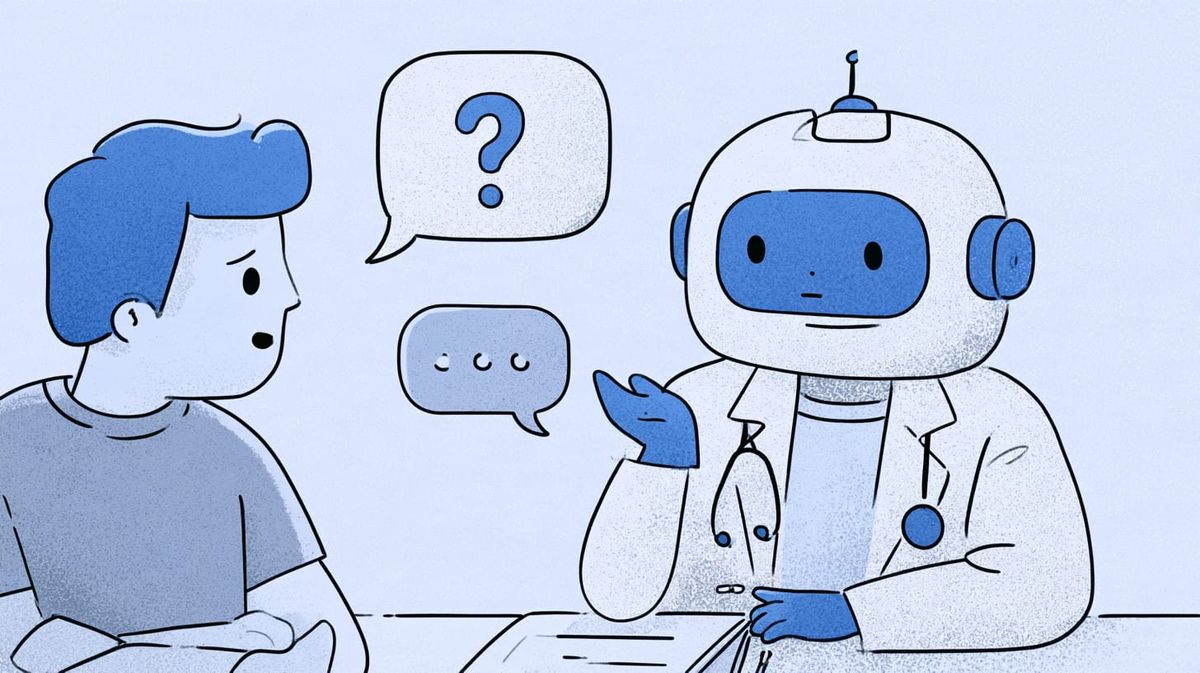
AI chatbots can be useful for explaining symptoms, preparing questions for a doctor or helping you understand medical terms. But they may also become more reassuring if you push back against advice you don’t want to hear, as a recent study found.
A few ways to reduce that risk:
- State the facts first. Describe your symptoms, medications, age and relevant history before telling the chatbot what you think is going on.
- Avoid leading questions. Instead of asking, “This probably isn’t serious, right?” ask, “What conditions could cause these symptoms, and which would require prompt medical attention?”
- Ask specifically about red flags. Try: “What symptoms here would make this urgent?”
- Ask whether professional evaluation is warranted. Don’t just ask for home remedies.
- Challenge reassurance. If the chatbot says you can watch and wait, ask: “What is the strongest reason I should not delay seeing a clinician?”
- Don’t negotiate with the answer. Repeatedly saying that you don’t want testing, can’t afford a visit or think the symptoms are minor may cause some AI systems to soften their recommendation.
- Use AI as a second set of questions, not a final diagnosis. A chatbot can help you prepare for care, but it cannot perform a physical exam, order tests or reliably rule out serious illness.
 The Editors
One useful prompt
“Based only on the medical facts I’ve given you, what is the safest course of action? Please do not change your recommendation because I say I would prefer to avoid seeing a doctor.”
Get human help promptly if ...
Symptoms include trouble breathing, chest pain, fainting, sudden weakness or confusion, severe bleeding, suicidal thoughts, or any rapidly worsening problem.
And if you are dangerously sleepy while driving, stop driving rather than asking an AI whether it is safe to continue.