Affordability Watch: What did telephone service actually cost?
Telephones have really gotten expensive -- or have they?
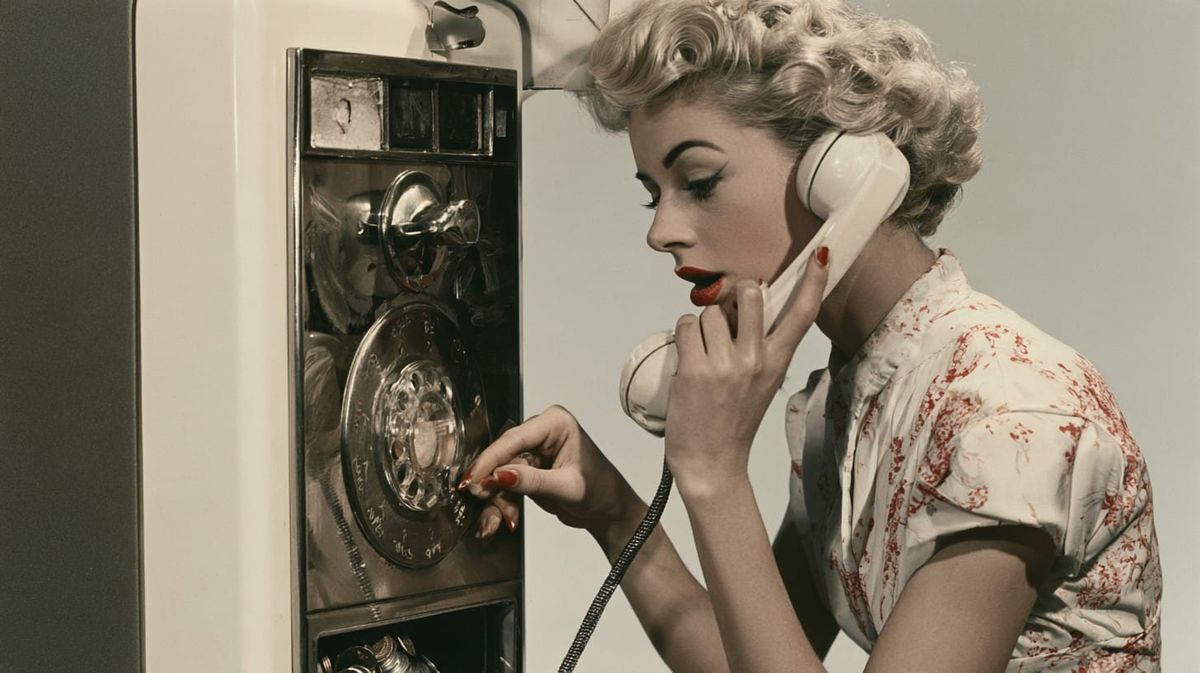
Comparing old and new telephone bills isn't as simple as it sounds because today's smartphone combines the telephone, the hardware and services that simply didn't exist in the Bell System era.
But historical rates reveal something important: basic telephone service became progressively more affordable before the economics changed.
1950: About $4.29 a month
Average residential telephone service cost roughly $4.29 monthly — about $51 a year.
In inflation-adjusted 1980 dollars, researchers put the cost at about $14.58 per month, Paperzz calculates.
The telephone itself typically belonged to the phone company.
1960: About $5.55 a month
The average residential charge had risen only modestly, to approximately $5.55 monthly.
Adjusted for inflation in the same historical analysis, that was actually slightly cheaper than service had been in 1950.
Meanwhile telephone availability was expanding rapidly: 78.3% of U.S. housing units had service, according to FCC Docs.
1980: About $8.61 a month
Average residential service reached approximately $8.61 monthly.
In real terms, the historical data show basic residential telephone charges had fallen substantially since the 1950s.
By then nearly 93% of housing units had telephone service.
 James R. Hood
1984: About $13.35 for unlimited local service
Just as the Bell System breakup was taking effect, the FCC's survey put average unlimited local residential service, including taxes, at about $13.35 per month.
By 1991 it was $18.84, NARUC said.
But another price was simultaneously collapsing: long-distance calling.
2000: About $20.78 a month
FCC-derived figures put average urban residential local service — including the basic charge, subscriber-line charge and taxes — at about $20.78 monthly in 2000, per Every CRS Report.
By then 97.6% of occupied housing units had telephone service, FCC Docs show.
2026: $1,999 before the service even starts
The comparison now becomes radically different.
Apple's new iPhone Duo costs:
$1,999 — 256GB
up to $3,199 — 2TB
Or, as Apple prefers to describe the base model:
$83.29 a month for 24 months. (Apple)
And that is just the telephone.
Wireless service, insurance, cloud storage and other subscriptions may come on top.
It's the network, stupid
The historical telephone system concentrated much of its expense in the network and deliberately spread those costs among customers to make basic service widely affordable.
Modern wireless networks have made communication extraordinarily cheap.
But much of the economic burden has migrated to the device — where pricing is determined not by public-utility regulation but by the consumer electronics market.
That's how America got from the rented black rotary phone to the $3,199 iPhone.
I especially like that last formulation — “the expensive part moved into the consumer's hand.” It gives us a way to be critical of today's pricing without pretending the old regulated monopoly was cheaper or better in every respect.