GLP-1 drugs are reshaping the world while raising longterm questions
Powerful new GLP-1 weight‑loss drugs promise longer, healthier lives for millions of people — but they are also reshaping everything from insurance premiums to clothing racks, while raising fresh questions about safety, cost and who gets access to the “Ozempic revolution.”
A blockbuster class with reach far beyond diabetes
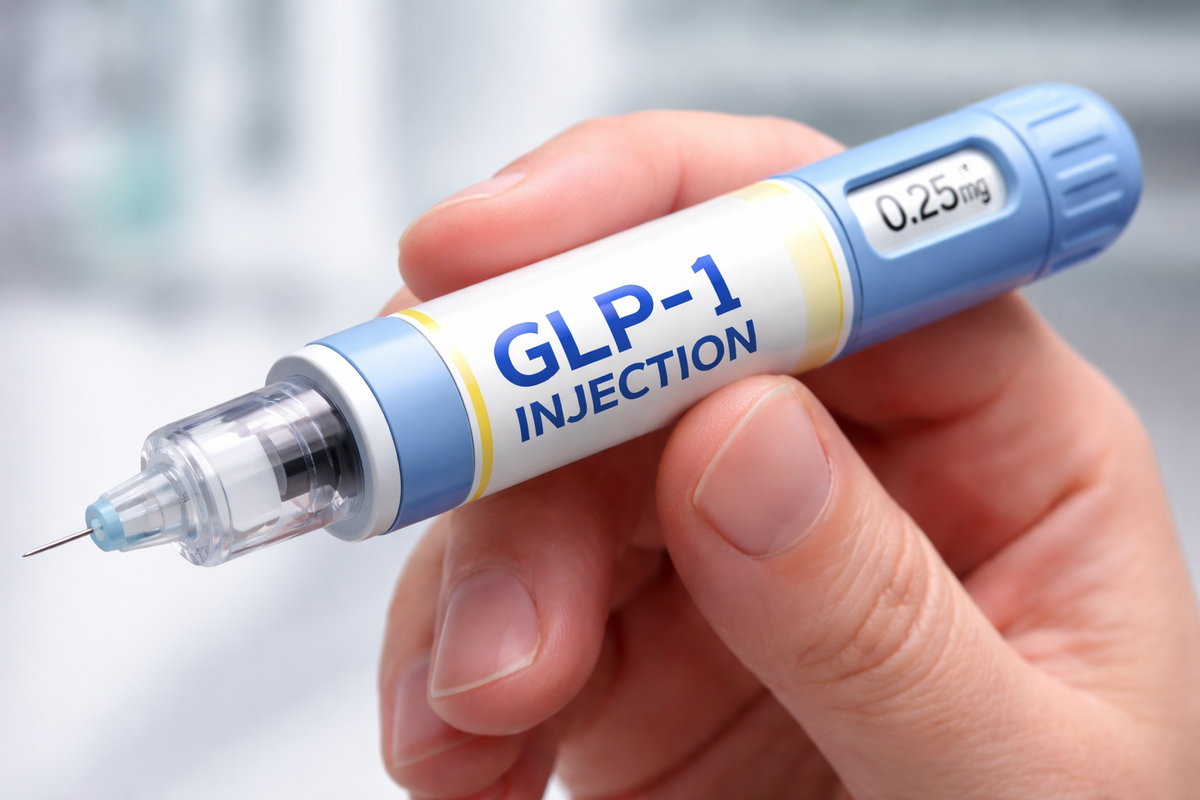
The drugs — a class known as GLP‑1 receptor agonists that includes brands like Ozempic, Wegovy, Mounjaro and Zepbound — were developed to treat type 2 diabetes but are now widely prescribed for obesity and off‑label weight loss.
They mimic a naturally occurring hormone that boosts insulin, slows stomach emptying and blunts appetite, often leading to double‑digit percentage weight loss in clinical trials and real‑world use, according to Medcentral.
As use has exploded, researchers have scrambled to track the ripple effects across the body and the wider economy.
New studies and employer surveys suggest GLP‑1s can cut the risk of heart attack and stroke, reduce sleep apnea and perhaps even curb addiction and dementia, but they also bring higher odds of gastrointestinal trouble, gallstones and rare but serious kidney and pancreas problems, researchers at Washington University say.
 James R. Hood
Side effects: from nuisance nausea to serious organ damage
Most patients quickly learn that the path to a smaller waistline runs through the stomach.
The most common side effects remain gastrointestinal: nausea, vomiting, diarrhea, indigestion and abdominal discomfort, all tied to the way GLP‑1s slow gastric emptying and alter gut signaling.
Those symptoms are usually mild to moderate and tend to improve over time or with dose adjustments, but they are a primary reason many patients stop treatment.
Cardiologists and anesthesiologists are also flagging a more procedural risk: slowed gastric emptying increases the chance that food remains in the stomach during sedation, raising concerns about aspiration during endoscopy or surgery, especially in people with long‑standing diabetes.
At the more serious end of the spectrum, emerging data point to uncommon but consequential harms.
A large Veterans Affairs analysis found GLP‑1 users had higher rates of pancreatitis and kidney problems than comparable patients, prompting calls for closer monitoring of kidney function and vigilance for warning signs like severe abdominal pain.
Eye health has surfaced as another weak spot.
Rapid reductions in blood sugar on GLP‑1s can worsen existing diabetic retinopathy in some people, leading experts to recommend retinal screening and early ophthalmology involvement before starting therapy in high‑risk patients.
Long‑term risks still coming into focus
For now, long‑term safety data are a patchwork.
Recent reviews report that years‑long use of GLP‑1s in people with diabetes and obesity has not confirmed earlier fears of increased pancreatic cancer, but some evidence points to a higher risk of certain thyroid cancers and modest increases in overall cancer risk among sustained users.
An analysis of Danish registry data found long‑term GLP‑1 users had a small uptick in overall cancer risk, a signal researchers say could partly reflect the fact that these patients are living longer due to better cardiovascular health.
Other studies suggest elevated risks of bone‑related conditions such as osteoporosis and osteomalacia, as well as gout, compared with non‑users over five years of follow‑up.
Even within the class, some risks appear drug‑specific. A recent study of veterans found semaglutide was more often linked to gallstones than older GLP‑1 drugs, for reasons that remain unclear.
Still, many endocrinologists stress that, for properly selected patients with obesity and diabetes, the long‑term balance of benefit and harm currently favors staying on medication.
Large cardiovascular outcomes trials and observational data show similar kidney and heart safety across several major GLP‑1 drugs and hint that they may be “fairly safe” overall in real‑world use.
Beyond the scale: heart, brain, kidneys and more
Even as side‑effect reports mount, so do claims that GLP‑1s are doing far more than shrinking waistlines.
Cardiologists now say the most striking benefit may be in the heart: multiple large randomized trials have found that GLP‑1s cut major adverse cardiovascular events — heart attacks, strokes and cardiovascular death — by roughly 12% to 26% in high‑risk patients.
Researchers at the University of Colorado Anschutz Medical Campus recently argued that the cardiovascular and kidney advantages appear to extend even to people who do not lose much weight, suggesting anti‑inflammatory or direct kidney and liver effects.
Veterans Affairs researchers likewise found that several GLP‑1 drugs delivered similar kidney and cardiovascular protection across different patient groups, with generally low rates of serious heart‑ and kidney‑related complications.
The brain may also be getting a boost.
In a Washington University–VA study of more than 2 million people with diabetes taking GLP‑1 drugs, users had lower risks of neurocognitive disorders such as Alzheimer’s disease and dementia, as well as fewer seizures and psychotic disorders.
Behavioral health findings are equally striking, if still early.
The same study reported reduced risks of addiction to alcohol, cannabis, stimulants and opioids, along with lower rates of suicidal ideation, self‑harm and bulimia among GLP‑1 users, while a separate cardiovascular journal analysis suggested tirzepatide and semaglutide may dampen overall “anticonsumption” behaviors, from recreational drug use to heavy drinking.
Taken together, clinicians increasingly talk about GLP‑1s as a platform therapy that could alter the trajectory of heart disease, kidney failure, liver disease, cognitive decline and addiction — not just obesity and diabetes.
But they caution that many of these apparent benefits are modest in size, often in the 10% to 20% risk‑reduction range, and based on observational data that will need confirmation in targeted clinical trials.[news.cuanschutz]
Sticker shock and uneven insurance coverage
While the medical picture grows more nuanced, the financial one is already clear: these drugs are expensive.
Retail prices typically run from about $700 to $1,300 per month before insurance, a recurring bill that can rival a mortgage payment for those paying out of pocket.
Employers and health plans are wrestling with how — or whether — to absorb those costs.
A 2025 employer health benefits survey found a sharp increase in the share of large firms with 5,000 or more workers that now cover GLP‑1s for weight loss, but benefit managers warn that broad coverage could significantly drive up premiums given how many employees medically qualify.
Roughly one‑third of non‑elderly people with employer coverage, an estimated 36.2 million individuals, have a body mass index high enough to qualify them for GLP‑1 treatment under typical clinical guidelines, according to the same analysis.
Policy analysts say that if even a fraction of those patients start and remain on GLP‑1 therapy, the drugs could become one of the largest line items in employer health spending for years to come.
For now, coverage is highly patchy.
Legal and benefits experts note that federal law does not require employers to cover GLP‑1s for either diabetes or obesity, and most group plans impose strict conditions or prior authorization hurdles for weight‑loss use.
State‑level mandates are even rarer.
North Dakota stands out as the only state that has updated its Affordable Care Act essential‑health‑benefit benchmark plan to require coverage of GLP‑1 and related drugs for prevention of diabetes and treatment of metabolic syndrome, insulin resistance and morbid obesity beginning in 2025.
At the federal level, the Trump administration has signaled an interest in widening access.
As 2025 ended, administration officials announced plans to pursue lower costs and expanded GLP‑1 coverage for Medicare and Medicaid beneficiaries, although detailed policy proposals have yet to be finalized.
Retail, food and fashion feel the tremors
The GLP‑1 era is also remaking consumer behavior in ways that could hit corporate earnings.
Wall Street analysts are increasingly building GLP‑1 adoption into their models, projecting that sustained appetite suppression and weight loss will reduce spending on certain foods, alcohol and perhaps even larger‑sized clothing.
A recent report from JPMorgan researchers, for example, flagged GLP‑1s as a key swing factor for fast‑food chains, snack makers and soft‑drink companies, while also highlighting potential upside for fitness and wellness brands if patients translate weight loss into more active lifestyles.
Other industry notes have pointed to possible declines in demand for bariatric surgery and devices as patients and payers opt for medication instead, creating pressure on surgical centers and medical‑device makers.
Clothing retailers, already grappling with cost‑conscious shoppers, are bracing for a more subtle shift.
If GLP‑1‑driven weight loss proves durable, analysts say retailers may see reduced demand for plus‑size apparel and more frequent turnover of wardrobes as customers “shrink” through several sizes, potentially boosting spending on mid‑range sizes while compressing the size curve overall.
The ripple effects extend into workplace policies as well.
Employment lawyers are advising companies to prepare for more accommodation requests tied to GLP‑1 side effects, scheduling around injections, and disputes over coverage decisions in employer health plans.
Unequal access and the open questions ahead
Even as GLP‑1s promise to reshape chronic disease, their high cost and uneven insurance coverage risk deepening health disparities.
People with lower incomes, the uninsured and those in plans that exclude weight‑loss drugs may be least able to afford therapy, even as they shoulder disproportionate burdens of obesity, diabetes and cardiovascular disease.
Clinicians warn that stopping GLP‑1s often leads to regaining much of the lost weight, meaning patients who cannot afford to stay on the drugs may see only temporary benefits.
That raises ethical questions about whether society is effectively creating a two‑tier obesity and heart‑disease system, in which more affluent patients enjoy long‑term protection while others cycle on and off therapy.
For regulators and manufacturers, the next few years will test whether they can broaden access while monitoring long‑term safety.
Researchers are calling for more independent, long‑duration studies on cancer, bone health and rare organ complications, as well as trials targeted at cognitive and addiction outcomes hinted at in early observational work.
In the meantime, millions of patients — and their insurers — are betting that the benefits outweigh the risks.
If emerging data on heart, kidney, brain and behavioral benefits hold up, GLP‑1s could become one of the most consequential drug classes in modern medicine, despite the lingering side effects, long‑term unknowns and hefty monthly price tag.