The truth about the multi-billion-dollar pet supplement industry
Just like the supplements that humans devour by the handful, many of the supplements pet owners buy are not approved or regulated and may do exactly nothing.
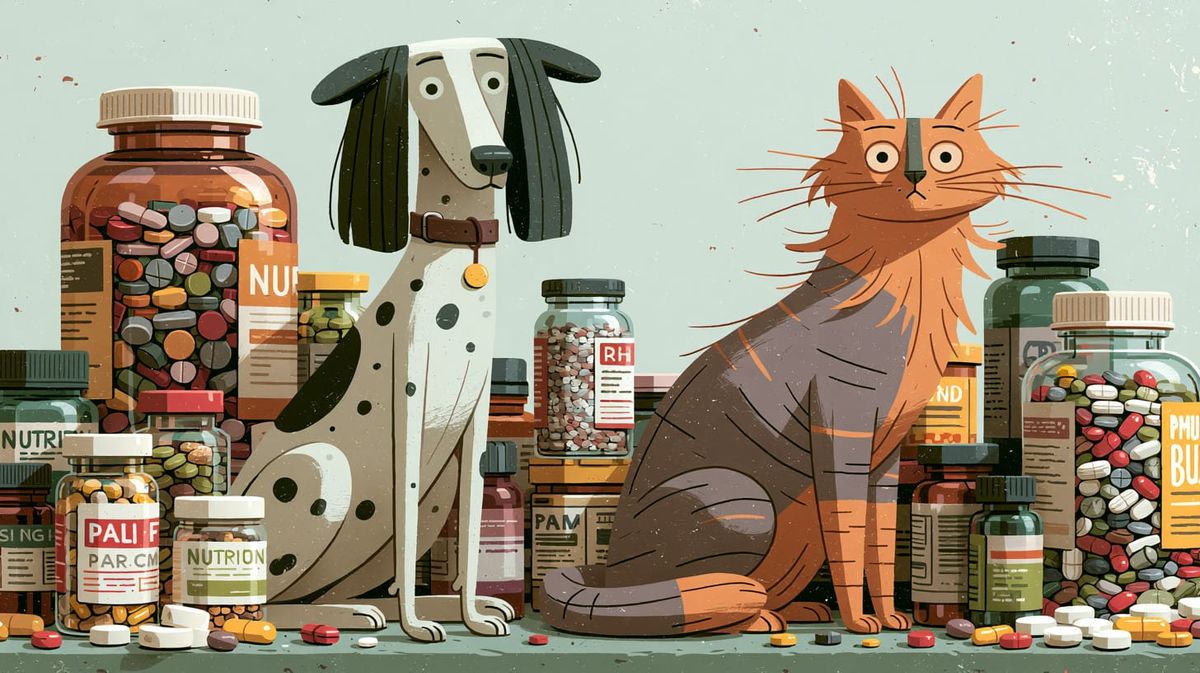
Americans spend well over $150 billion a year on their pets, and supplements have become one of the industry's fastest-growing segments. From probiotics and CBD chews to joint formulas and calming treats, manufacturers promise everything from shinier coats to healthier digestion and relief from anxiety and allergies.
Unlike prescription veterinary drugs, however, most pet supplements are not required to prove they work before they are sold.
That surprises many consumers.
Prescription medications must undergo extensive testing for safety, effectiveness and manufacturing quality before receiving approval from the U.S. Food and Drug Administration (FDA). Most pet supplements follow a very different path.
Manufacturers are generally responsible for ensuring their products are safe and truthfully marketed, but they do not have to conduct large clinical trials demonstrating that a supplement delivers the advertised benefits before it reaches store shelves.
That doesn't mean supplements are worthless.
Some contain ingredients supported by legitimate research, while others may benefit certain animals. But experts caution that evidence for one ingredient—or even one specific formulation—cannot automatically be applied to every product that contains similar ingredients.
The North American Veterinary Community, veterinary dermatologists and nutrition specialists, have repeatedly urged pet owners to distinguish between promising early research and proven treatments.
 James R. Hood
Why the marketing can be confusing
Many supplement advertisements rely on techniques familiar from the human wellness industry:
- Dramatic before-and-after stories.
- Customer testimonials.
- Claims that a product addresses the "root cause."
- References to the microbiome or immune system.
- High customer ratings.
- Limited-time discounts and subscription offers.
Those marketing approaches are not necessarily misleading, but they are not substitutes for independent scientific evidence.
Another common tactic is citing impressive percentages—such as "90% of customers saw improvement"—without explaining that the numbers may come from small company surveys rather than randomized clinical trials.
Consumers should also understand that online reviews can be influenced by many factors, including spontaneous improvement, seasonal changes in allergies, changes in diet or concurrent veterinary treatment.
Questions worth asking before you buy
Before spending $40, $60 or even $100 a month on a pet supplement, veterinary experts suggest asking:
- Has the product itself been tested in peer-reviewed clinical studies?
- Were the studies conducted by independent researchers?
- Are the claims based primarily on testimonials?
- Is the company promising results that sound too good to be true?
- Has my veterinarian diagnosed the actual cause of my pet's symptoms?
The bottom line: Supplements may have a place in a dog's overall health plan, but they should be viewed as one tool—not a miracle cure—and consumers should demand the same level of evidence they would expect for products intended for people.