Pet owners spend billions chasing 'miracle cures' for itchy dogs. Many promise more than science can deliver.
Chronic itching is one of the most common reasons dogs visit veterinarians, fueling a booming market for supplements that promise relief through probiotics, herbs and "gut health."
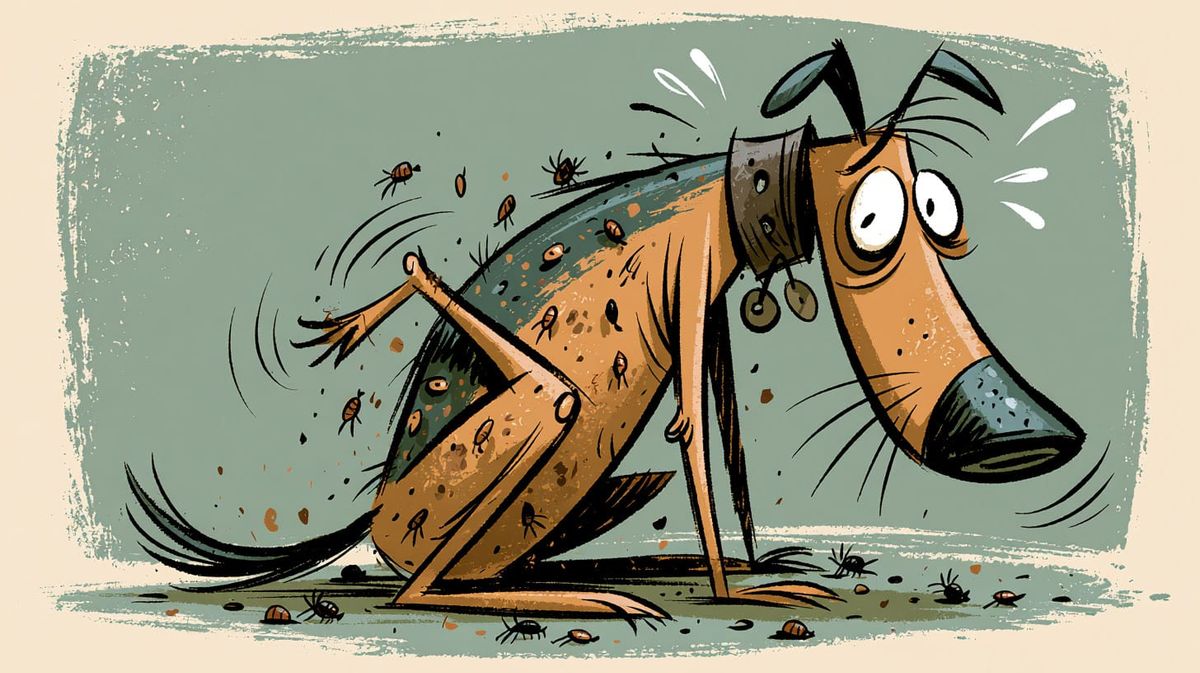
If your dog won't stop scratching, licking its paws or chewing at its skin, you're not alone. Chronic itching affects millions of pets each year, and desperate owners often spend hundreds — or even thousands — of dollars searching for relief.
That demand has fueled explosive growth in the pet supplement industry, where products marketed as "miracle cures," "root cause" solutions or microbiome restorers promise to ease itching without prescription medications.
Veterinary dermatologists say the reality is more complicated.
While research into the canine gut microbiome is advancing rapidly, experts caution that the science has not yet caught up with many of the marketing claims appearing online and on social media.
A booming market built on hope
The U.S. pet supplements market has grown rapidly as owners increasingly seek "natural" alternatives to prescription drugs.
Among the fastest-growing categories are probiotic chews marketed for dogs with itchy skin, excessive licking, hot spots and seasonal allergies. Many products claim that skin problems begin in the gut and can be corrected by restoring healthy intestinal bacteria.
Some products cite impressive-sounding customer success rates or feature dramatic before-and-after testimonials. But consumers should look closely at where those numbers come from.
In many cases, effectiveness claims are based on internal customer surveys involving relatively small numbers of purchasers rather than large, independent clinical trials.
 The Editors
What the research actually shows
Scientists do believe the gut microbiome plays an important role in immune function.
Some studies suggest certain probiotic strains may modestly improve skin health or reduce allergic symptoms in some dogs. Other research has found benefits for digestive disorders that can indirectly improve overall health.
However, veterinary specialists say those findings should not be interpreted as proof that any over-the-counter probiotic can cure chronic itching.
Results vary widely depending on:
- The specific probiotic strains used.
- Dosage.
- The dog's underlying medical condition.
- Overall diet and health.
Researchers also note that positive findings for one probiotic formulation cannot automatically be applied to different products using different ingredients.
Most itching has other causes
One reason "miracle cure" claims deserve skepticism is that chronic itching has many possible causes.
Among the most common are:
- Environmental allergies to pollen, grasses or mold.
- Flea allergy dermatitis.
- Food allergies.
- Yeast infections.
- Bacterial skin infections.
- Mange mites and other parasites.
- Contact dermatitis caused by shampoos, cleaners or plants.
Because treatment depends on the underlying cause, veterinarians generally recommend diagnosing the problem before spending significant money on supplements.
Reading the fine print
Like many dietary supplements sold for people, pet supplements generally are not required to demonstrate effectiveness before reaching the marketplace.
Manufacturers are responsible for ensuring their products are safe and that advertising is truthful, but consumers often encounter marketing that emphasizes testimonials, customer ratings and broad wellness claims.
Experts recommend looking beyond headlines that promise to:
- "Fix the root cause."
- "Reverse allergies naturally."
- "End itching permanently."
- "Detox the immune system."
Those statements may sound persuasive but are not necessarily supported by strong clinical evidence.
What pet owners can do
Veterinary dermatologists recommend that owners whose dogs develop persistent itching:
- Rule out fleas and parasites first.
- Schedule a veterinary examination if symptoms last more than a few days.
- Treat bacterial or yeast infections promptly.
- Discuss whether food allergies could be contributing.
- Ask whether prescription allergy medications, medicated shampoos or therapeutic diets may be appropriate.
- Consider supplements only as a possible adjunct — not a replacement — for proven medical treatment.
The bottom line
Probiotic supplements may provide benefits for some dogs, particularly those with digestive issues or mild skin problems. But current scientific evidence does not support sweeping claims that they are universal cures for canine allergies or chronic itching.
For consumers, the safest approach is the same one experts recommend for any health product: follow the evidence rather than the advertising.
Consumer Watch: How to spot questionable pet health claims
Before buying an expensive supplement, ask:
✓ Does the company cite independent, peer-reviewed clinical studies on the actual product?
✓ Are success claims based on rigorous research or customer testimonials?
✓ Does the advertising promise to cure multiple unrelated conditions?
✓ Are phrases like "miracle," "root cause," or "secret breakthrough" used without supporting evidence?
✓ Has your veterinarian identified the actual cause of your dog's itching?
If the answer to several of those questions is "no," consumers should proceed with caution.