Food safety: recall notices follow the pepper supply chain
A recall that began with jalapeños has spread across the prepared-food aisle.
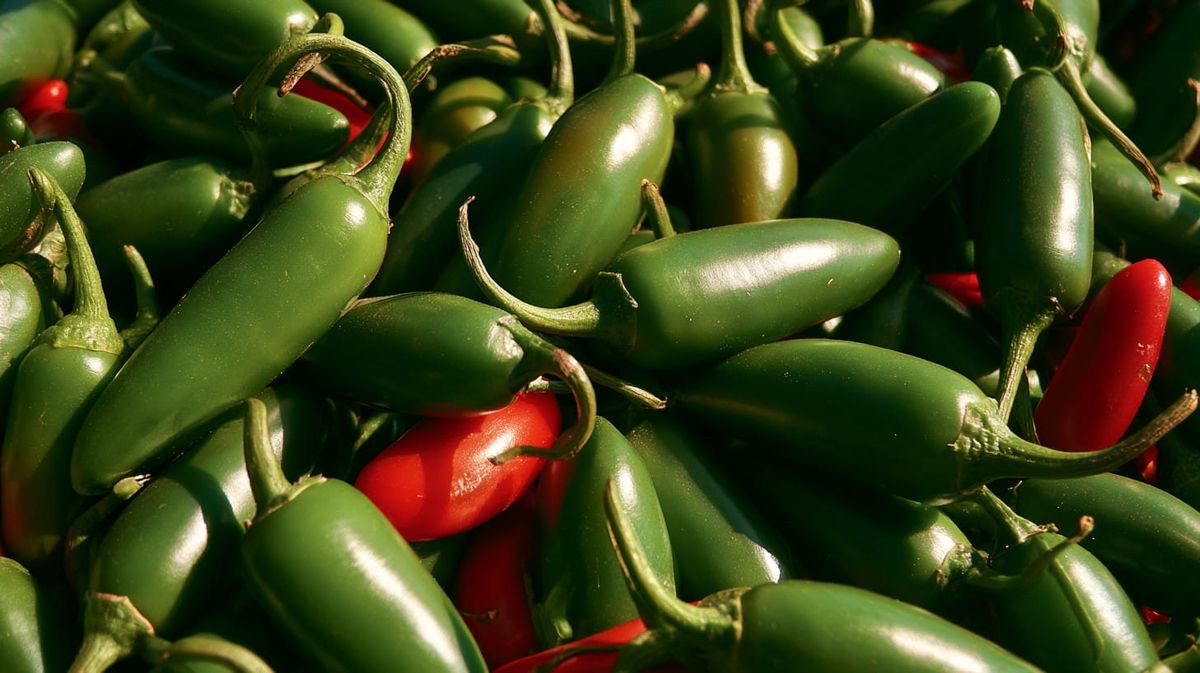
Taylor Farms has initiated a recall involving products with fresh peppers grown in Sinaloa, Mexico, after the peppers were linked to 345 salmonella cases nationwide, according to The New York Times’ recall explainer. The recalled products include sliced jalapeños, burritos, guacamole and salsa sold under Taylor Farms and retailer house brands, the newspaper reported.
The peppers were shipped to more than half the states and were used in prepared foods sold at Kroger, Target and Whole Foods, according to The New York Times. Taylor Farms bought the produce from Coast Citrus Distributors, which sourced it from a farm in Sinaloa, rather than growing the peppers itself, the paper reported.
Whole Foods said certain salsas, guacamole, pico de gallo and prepared jalapeño products with “Best Before” or “Best By” dates between Aug. 7 and Aug. 12, and between Aug. 9 and Aug. 14, were included in its recall, according to CBS News. The products were sold in 12 states, including Texas, Oklahoma, Louisiana, Arkansas, Wisconsin, Michigan, Illinois, Indiana, Iowa, Missouri, Kentucky and Ohio, CBS reported.
No illnesses had been reported in connection with the Whole Foods products, according to CBS News. The Food and Drug Administration said Coast Citrus agreed to recall the peppers and that Chipotle, Qdoba and Taylor Farms also removed products, while stores receiving Taylor Farms products included Hannaford, Kroger, Stop and Shop, Target, Trader Joe’s, Walmart and Whole Foods, CBS reported.
Cyclospora probe continues
The response is unfolding alongside a separate cyclospora investigation tied to iceberg lettuce. Acting FDA Commissioner Kyle Diamantas said the agency’s updated guidance for processors recommends sanitation controls, supplier verification and refrigeration, according to Reuters. “Americans should feel confident in eating fresh produce, including leafy greens at this point,” Diamantas said, according to Reuters.
For shoppers, the practical issue is not only whether a product is recalled, but whether an ingredient has traveled through several brands before the warning appears. The FDA said it did not consider the establishments that removed products to pose a current ongoing risk in the outbreak, according to CBS News. The episode nonetheless puts dates, store lists and prepared-food labels back at the center of the weekly shopping routine.