Salmonella outbreak tied to jalapeños grows to 431 cases in 32 states
The recall has now spread to an array of prepared foods sold by major retailers.
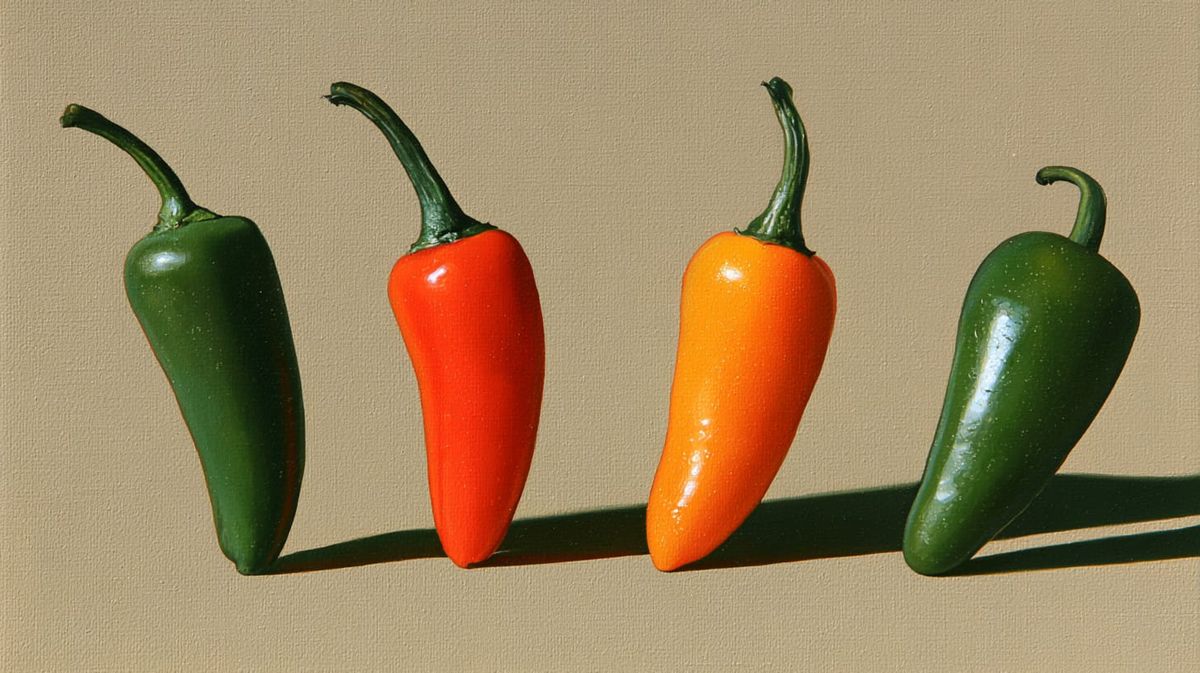
- At least 431 people in 32 states have been infected in a Salmonella outbreak linked to jalapeño peppers from Sinaloa, Mexico.
- The outbreak has sent 57 people to hospitals, and federal officials say recalls now extend well beyond fresh peppers to salsa, guacamole, dips and prepared foods.
- Consumers may want to check refrigerators and freezers even though many recalled products have passed their sell-by dates.
A fast-growing Salmonella outbreak linked to jalapeño peppers has now sickened at least 431 people across 32 states, federal health officials say, and the recall has spread to an array of prepared foods sold by major retailers.
The Centers for Disease Control and Prevention and Food and Drug Administration say 57 people have been hospitalized. No deaths have been reported. The latest count represents 86 additional illnesses and 21 additional hospitalizations since the previous update.
 The Editors
Illnesses have been reported in Alabama, Arkansas, California, Colorado, Florida, Georgia, Illinois, Indiana, Kansas, Kentucky, Louisiana, Michigan, Minnesota, Missouri, Montana, North Carolina, North Dakota, Nebraska, New Jersey, New Mexico, Ohio, Oklahoma, Pennsylvania, South Carolina, Tennessee, Texas, Utah, Virginia, Washington, Wisconsin, West Virginia and Wyoming.
The suspected source is fresh jalapeños grown in Sinaloa, Mexico, and distributed in the U.S. by Coast Citrus Distributors. But consumers shouldn't assume the problem is limited to loose peppers in the produce aisle.
The FDA says recalled jalapeños were also used in salsa, guacamole, dips, pico de gallo and other prepared foods, triggering a widening series of downstream recalls. Products have been associated with retailers including Trader Joe's, Walmart, Target, Kroger, Hannaford, Stop & Shop and Whole Foods, among others.
Restaurants figured prominently
The investigation initially pointed heavily toward restaurants.
Of 224 people interviewed by health officials, 203 — about 91% — said they had eaten at a Mexican-style restaurant before becoming ill. Those restaurants included Chipotle Mexican Grill and QDOBA.
Both chains received jalapeños imported by Coast Citrus. Chipotle began switching suppliers at affected restaurants July 20, while QDOBA stopped using the implicated jalapeños July 28. The FDA says it does not consider either chain to represent an ongoing risk from the outbreak.
Reported illnesses began June 19 and continued through at least Aug. 2. Because Salmonella cases can take time to identify and report, the actual number of illnesses could be substantially higher than the confirmed count.
The recall keeps spreading
Coast Citrus initially recalled a limited quantity of jalapeños July 22. On Aug. 5, it agreed to recall remaining peppers implicated through epidemiological and traceback evidence after investigators identified a common grower in Sinaloa as the likely source.
Since then, recalls have multiplied as companies discovered that the peppers had been incorporated into other products.
Among them:
- Taylor Fresh Foods recalled various dips, salsa, guacamole and other foods distributed through retailers in numerous states.
- Whole Foods recalled selected salsa, guacamole, pico de gallo and prepared foods.
- NatureBest Precut & Produce recalled NatureBest and HEB products including pico de gallo, stuffed mushrooms and soup mixes.
- Salata Dressings recalled jalapeño avocado dressing.
- Dairyland Produce, doing business as Hardie's Fresh Foods, recalled fresh jalapeños.
- The USDA's Food Safety and Inspection Service issued a separate public-health alert involving some meat and poultry products containing the affected peppers.
The FDA has created a centralized page listing the expanding group of related recalls and says additional downstream recalls remain possible.
What to do
FDA says consumers should not eat recalled jalapeños or products containing them. That advice applies to food that may have been frozen as well as items still sitting in a refrigerator.
Anyone unsure whether peppers came from the affected supplier should check the FDA recall list or ask the store or supplier where the peppers originated.
Surfaces and containers that may have touched recalled peppers should be thoroughly cleaned and sanitized to reduce the risk of cross-contamination.
Salmonella infection typically causes diarrhea, fever and abdominal cramps. Symptoms generally develop within 12 to 72 hours after eating contaminated food and usually last four to seven days. Children younger than 5, older adults and people with weakened immune systems are more likely to develop serious illness.
The FDA advises consumers who develop symptoms after recently eating food containing jalapeños to contact a healthcare provider.
Another reminder about fresh produce
The outbreak arrives as federal regulators are also dealing with other produce-related illnesses, including the recent Cyclospora outbreak associated with iceberg lettuce.
Fresh produce presents a particular food-safety problem because products such as peppers, lettuce and sprouts are frequently eaten raw. Unlike meat or poultry, there may be no cooking step to kill bacteria before the food reaches the consumer.
And once contaminated produce enters the commercial food supply, a single ingredient can wind up in restaurant meals and dozens of prepared products sold under different brands — which is why a recall that begins with something as simple as a jalapeño can quickly become much harder for shoppers to track.