5 things to check in your homeowners policy before the next severe storm
Tornadoes and other severe weather are moving east. Is your insurance ready?
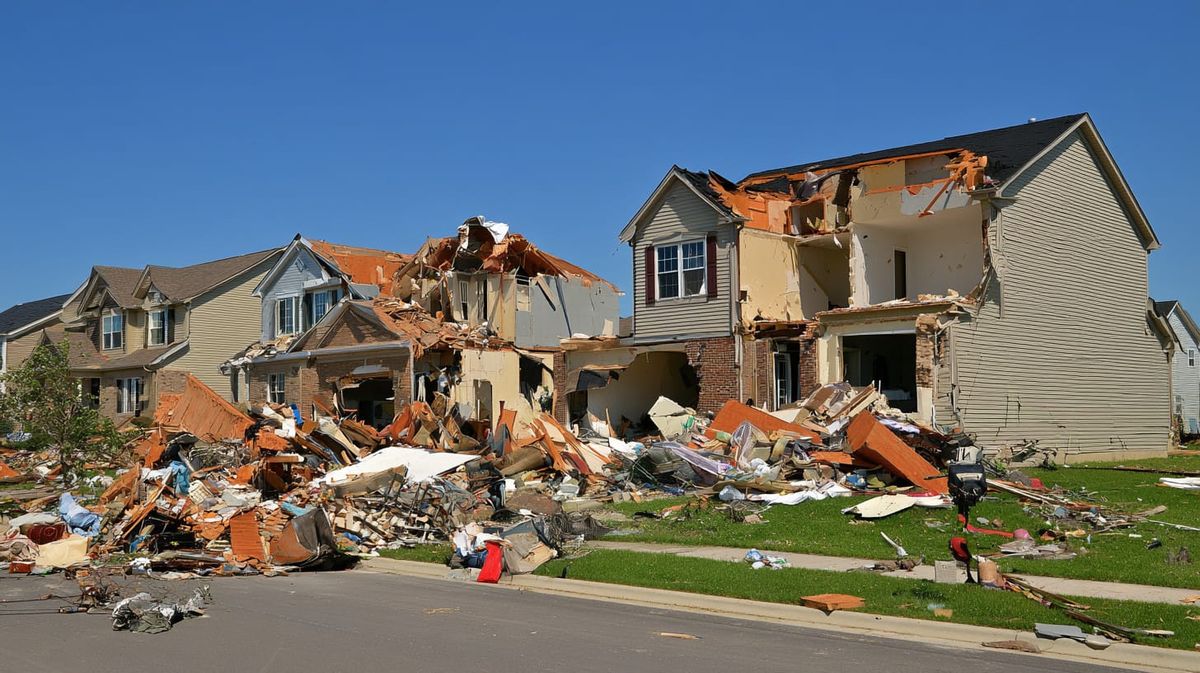
Tornadoes, hail and damaging straight-line winds can produce losses far beyond a few broken shingles. Before storm season arrives, homeowners should know exactly what their insurance will — and won't — pay for.
1. Check your wind and hail deductible
Some policies use a flat deductible, such as $1,000 or $2,500. Others impose a separate wind or hail deductible calculated as a percentage of the home's insured value.
That difference can be substantial. A 2% deductible on a home insured for $500,000 means the homeowner must absorb the first $10,000 of covered damage.
 James R. Hood
2. Find out how your roof is covered
Don't assume a damaged roof will automatically be replaced with a new one.
Some insurers pay replacement cost, while others may pay only actual cash value, which subtracts depreciation based on the roof's age and condition. Older roofs can therefore leave homeowners with a sizable bill even after an approved claim.
Ask specifically whether your policy contains a roof-payment schedule or age-based depreciation provision.
3. Make sure your coverage limit reflects today's rebuilding costs
The market value of a house and the cost of rebuilding it are not the same thing.
Labor, lumber, roofing, electrical work and other construction costs have risen sharply in recent years. Check the dwelling-coverage amount on your declarations page and ask whether the policy includes extended replacement cost or another cushion if rebuilding costs exceed the stated limit.
4. Know what's excluded
Standard homeowners insurance generally covers tornado and wind damage, but flood damage typically requires separate flood insurance.
Heavy thunderstorms can produce both wind and flooding during the same event, creating disputes over which damage was caused by which hazard.
Also check coverage for detached garages, sheds, fences, trees and other structures. Limits can be much lower than the coverage on the house itself.
5. Document your property before there's a claim
Use a phone to photograph or video every room, including appliances, electronics, furniture and valuable possessions. Open closets, cabinets and drawers.
Store the inventory somewhere outside the home or in secure cloud storage.
After a major storm, having evidence of what you owned — and the condition of the property beforehand — can make the claims process much easier.
One more precaution: Don't wait until a major storm is approaching to buy or increase coverage. Insurers may temporarily restrict policy changes when severe weather is imminent.