The Southern squeeze: Nashville, Atlanta and the renters who gave up
Renting is now cheaper than owning in every major market, an analysis shows
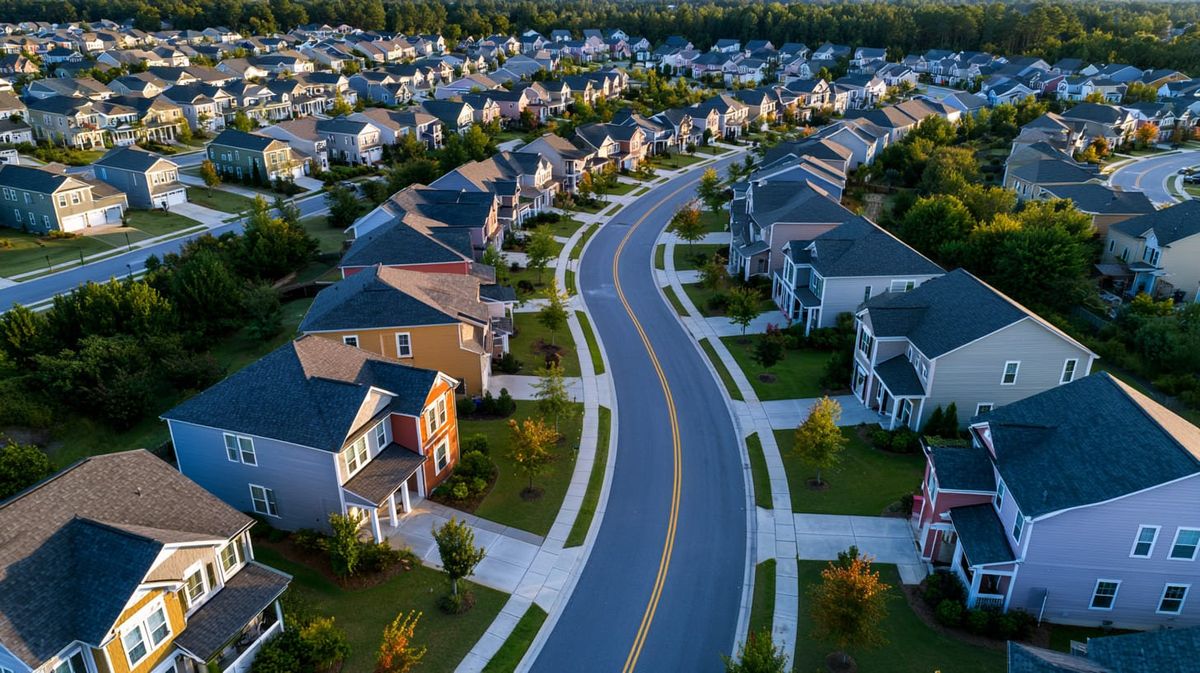
For years, Southern cities pitched themselves as a refuge from California and New York prices. That refuge is shrinking. In a deeply reported feature, Bloomberg found Nashville house prices up "almost 60 percent" since the end of 2019, with property taxes and home-insurance expenses "surging."
Lauren Morales, standing on the rooftop of Acme Feed & Seed in downtown Nashville — where business property taxes have "more than quadrupled in the past few years" — told Bloomberg: "Something has got to give. It might be game over for us."
The corporate boom Nashville welcomed is part of the squeeze. Oracle is planning an 80-acre campus that will bring 8,500 jobs to the East Bank by 2031, Starbucks is moving thousands of employees from Seattle into a new glass office tower, and the Tennessee Titans' new $2 billion stadium is rising across the Cumberland River, Bloomberg reported.
Each project pulls in higher-paid workers; each pushes longtime residents further from the city center.
Renting now cheaper than owning
That math is changing how Americans think about ownership itself. CNBC reported Sunday that "renting is now cheaper than owning in every large metro in the country," citing a January LendingTree analysis of Census data.
A CNBC/SurveyMonkey "American Dream Pulse Survey" found 58 percent of respondents still believe they would need to own a home to feel they had achieved the American Dream — but the people CNBC interviewed are walking away from that goal.
One Los Angeles County renter said a comparable home would cost about $5,700 a month versus the $3,750 she pays in rent, "almost $2,000 more per month" before taxes, and noted her household would need "$90,000 more a year" in income to keep the same share going to housing, CNBC reported.
Whitney Airgood-Obrycki of the Harvard Joint Center for Housing Studies told CNBC that higher-income households have been driving rental demand for the last five to 10 years, reflecting "a shift in what's available and what's culturally acceptable given how expensive it is to buy."
The Wall Street Journal added a complementary data point Sunday: Texas RV traveler Tina Morgan and her husband, faced with an April fill-up that "exceeded $200 for the first time," cut a planned trip to seven national parks down to two shorter drives — Mammoth Cave in Kentucky and the Great Lakes — and bought an air fryer to skip restaurants. They cut their summer travel budget from $8,000 to $3,000, the Journal reported.
The Morgans are not in foreclosure or in a food bank line. They are middle-class consumers absorbing what households are absorbing across the country: higher fuel, higher housing, higher everything.