Texas sues five TV manufacturers it says are spying on Texans (and everybody else)
If Texas wins this case, it could set a nationwide precedent
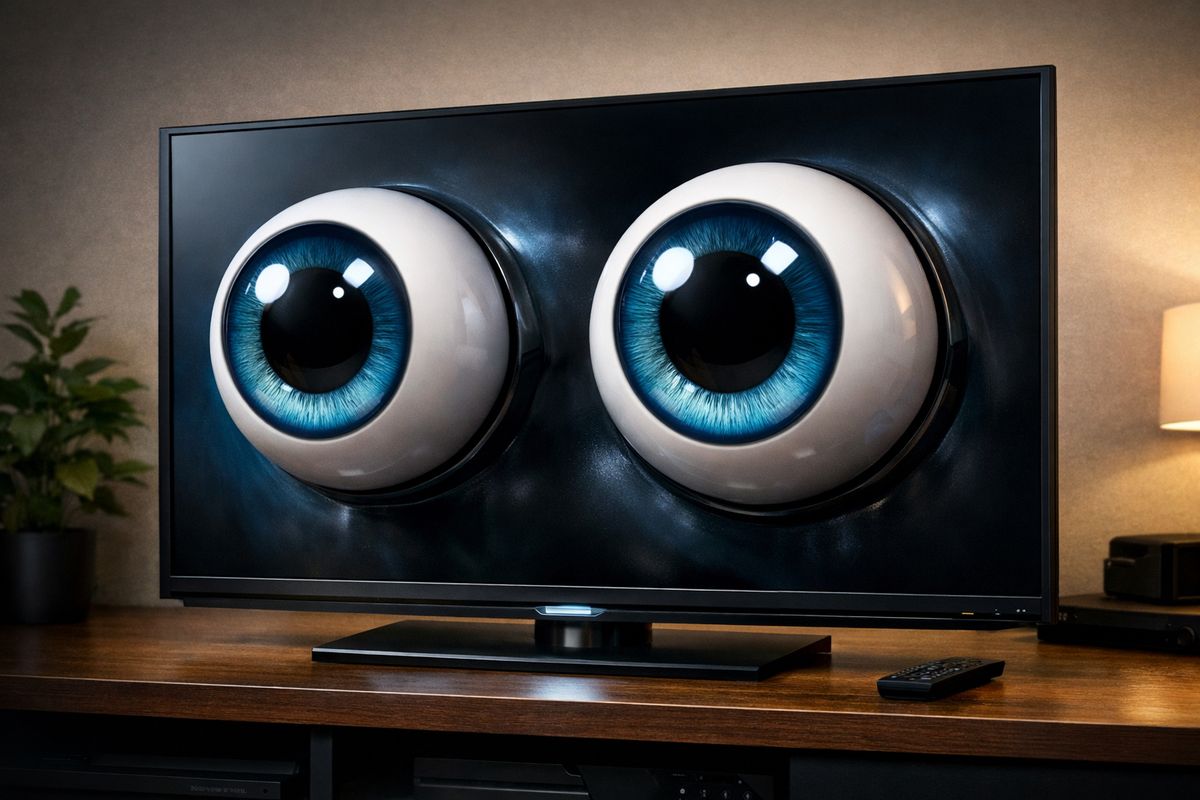
Texas Attorney General Ken Paxton, who in his spare time is running for the U.S. Senate, has filed suit against five major television companies. He says the companies are spying on Texans by secretly recording what they watch on TV in their own homes.
Named in the suits are Sony, Samsung, LG, Hisense, and TCL. Paxton notes ominously that TCL and Hisense are based in China.
“These Chinese ties pose serious concerns about consumer data harvesting and are exacerbated by China’s National Security Law, which gives its government the capability to get its hands on U.S. consumer data,” Paxton said in a news release.
It might sound a tad over the top but Paxton is known as a colorful character who is never reluctant to file a lawsuit or two. And he is not totally out in right field on this one. Samsung has already reached a settlement with Texas providing that it must get clear consumer consent before collecting data and must improve it disclosure practices.
Smart TV tracking has been controversial for years. In 2017, Vizio paid $2.2 million over similar tracking without consent.
Paxton contends that the companies have been unlawfully collecting personal data through Automated Content Recognition (“ACR”) technology, which Paxton describes as “an uninvited, invisible digital invader.”
The suit charges that the software can capture screenshots of a user’s television display every 500 milliseconds, monitor viewing activity in real time, and transmit that information back to the company without the user’s knowledge or consent. The companies then sell that consumer information to target ads across platforms for a profit, Paxton argues, allegedly putting users’ privacy and sensitive information, such as passwords, bank information, and other personal information at risk.
“Companies, especially those connected to the Chinese Communist Party, have no business illegally recording Americans’ devices inside their own homes,” said Paxton. “This conduct is invasive, deceptive, and unlawful. The fundamental right to privacy will be protected in Texas because owning a television does not mean surrendering your personal information to Big Tech or foreign adversaries.”
This case is part of a bigger shift. Smart TVs are increasingly treated like data-collection devices, not just appliances. Several states are pushing to treat that data under consumer protection laws, not just tech policy.
How to stop your TV from tracking you
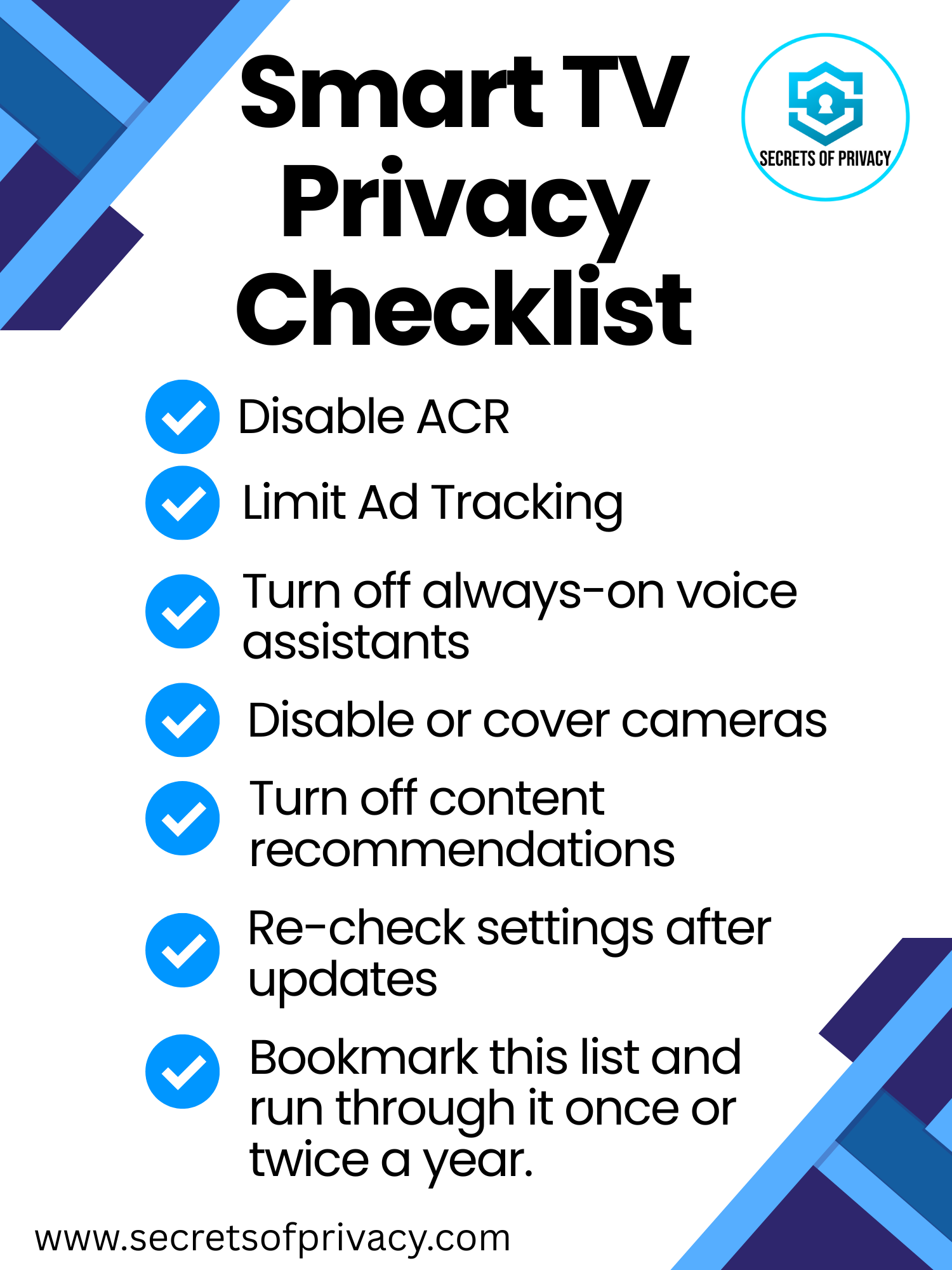
Smart TVs often track what you watch using ACR, as Paxton alleges. The good news: you can turn it off—but it’s usually buried in settings.
Here’s how to take control
General steps (works on most TVs)
Go to Settings
Look for:
Privacy
Terms & Conditions
Viewing Data
Smart Features
Turn OFF anything labeled:
“Viewing Information”
“Interest-Based Ads”
“Content Recognition”
💡 If you see “Accept All” during setup, that’s often where tracking gets turned on.
By brand
Samsung
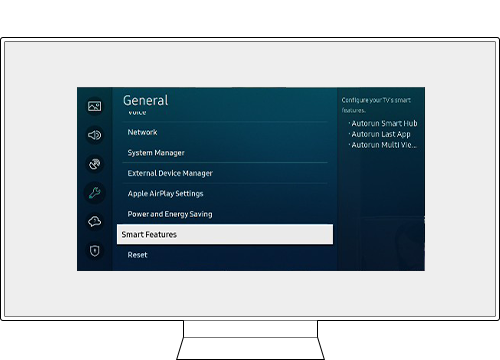
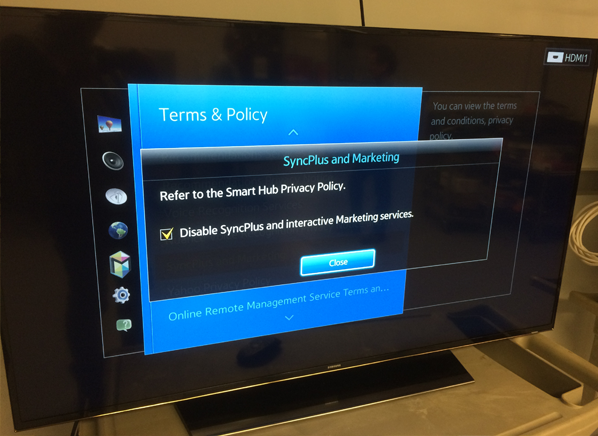
Settings → Support → Terms & Policies
Turn off:
Viewing Information Services
Interest-Based Advertising
LG
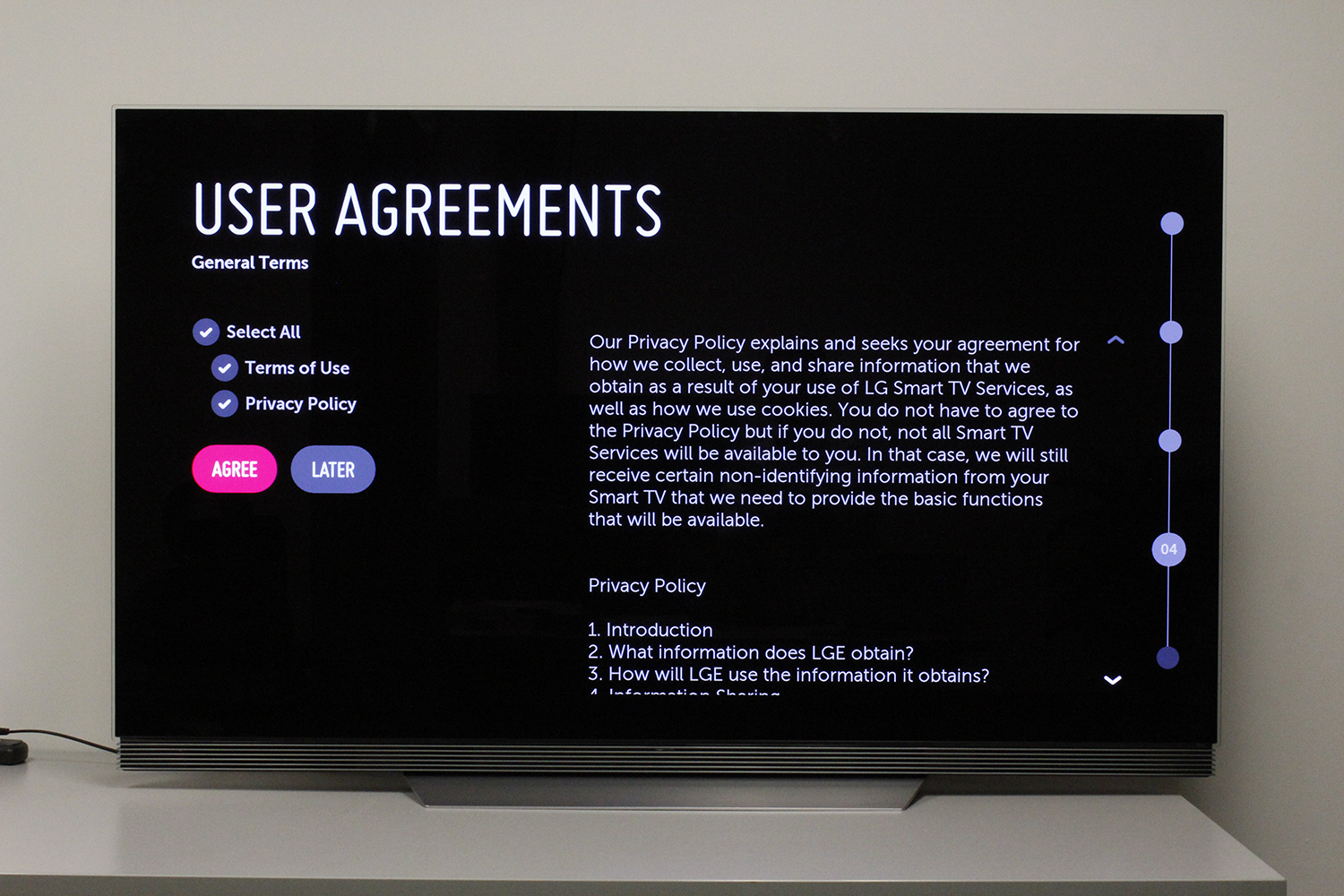
Settings → General → System → Additional Settings
Turn off:
Live Plus (this is ACR)
Ad tracking options
Sony (Google TV / Android TV)
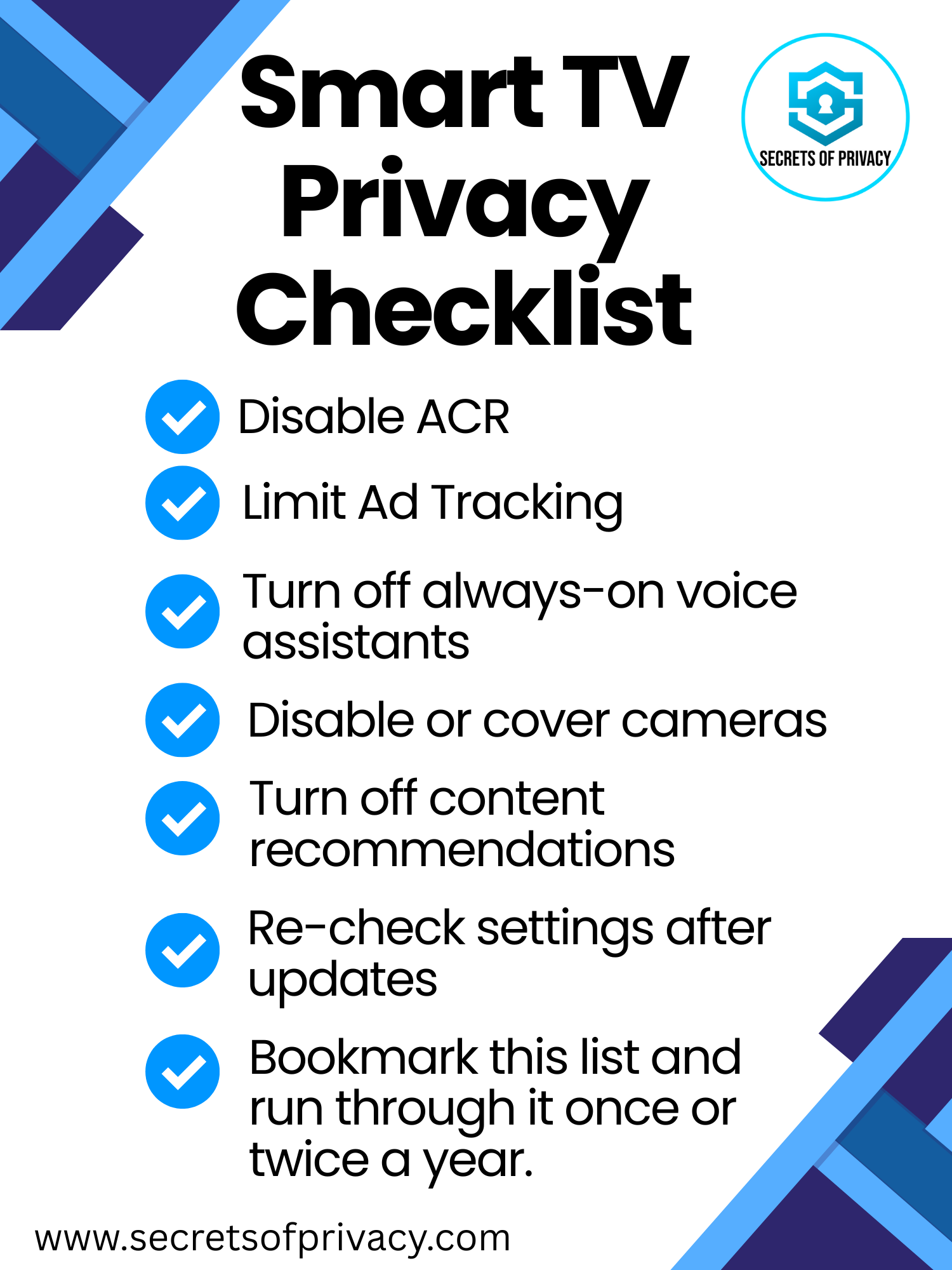
Settings → Privacy or Device Preferences
Turn off:
Usage & Diagnostics
Ads Personalization
Also check for Samba TV (if installed) and disable it
TCL / Hisense (Roku TV)
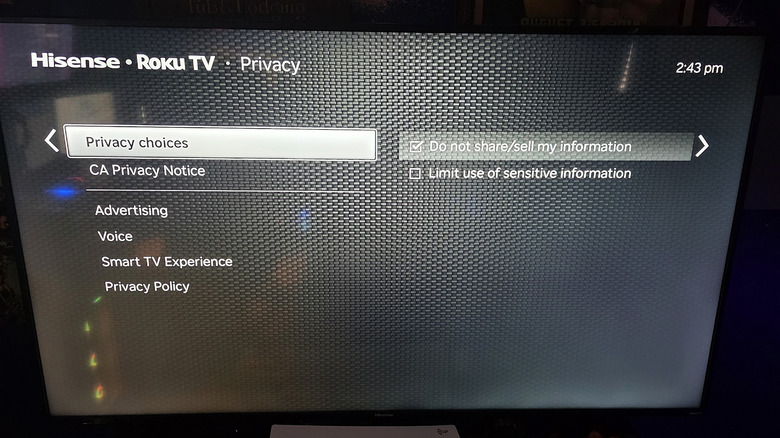
Settings → Privacy → Smart TV Experience
Turn off:
Use info from TV inputs
Ad personalization
Extra protection (most people miss this)
- Reset your TV and skip optional data-sharing during setup
- Disconnect TV from Wi-Fi if you only use external devices
- Use a streaming stick (Roku, Fire TV, Apple TV) instead of built-in apps
- Check your router for connected devices you don’t recognize
Why this matters
ACR technology can track:
- What you watch on Netflix, cable, or gaming consoles
- When you watch it—and for how long
- Patterns that can be used for targeted advertising
Even if names aren’t attached, the data can often be linked back to your household.
Bottom line
Your TV may be one of the most sophisticated tracking devices in your home—but unlike your phone, it rarely makes that obvious.
Taking five minutes to change these settings can significantly reduce what’s collected about you.
Here’s a clean, companion sidebar you can run alongside your main piece:
What Is ACR — And How Does It Track You?
ACR stands for Automatic Content Recognition.
It’s a built-in technology in many smart TVs that identifies what you’re watching—often in real time.
How it works
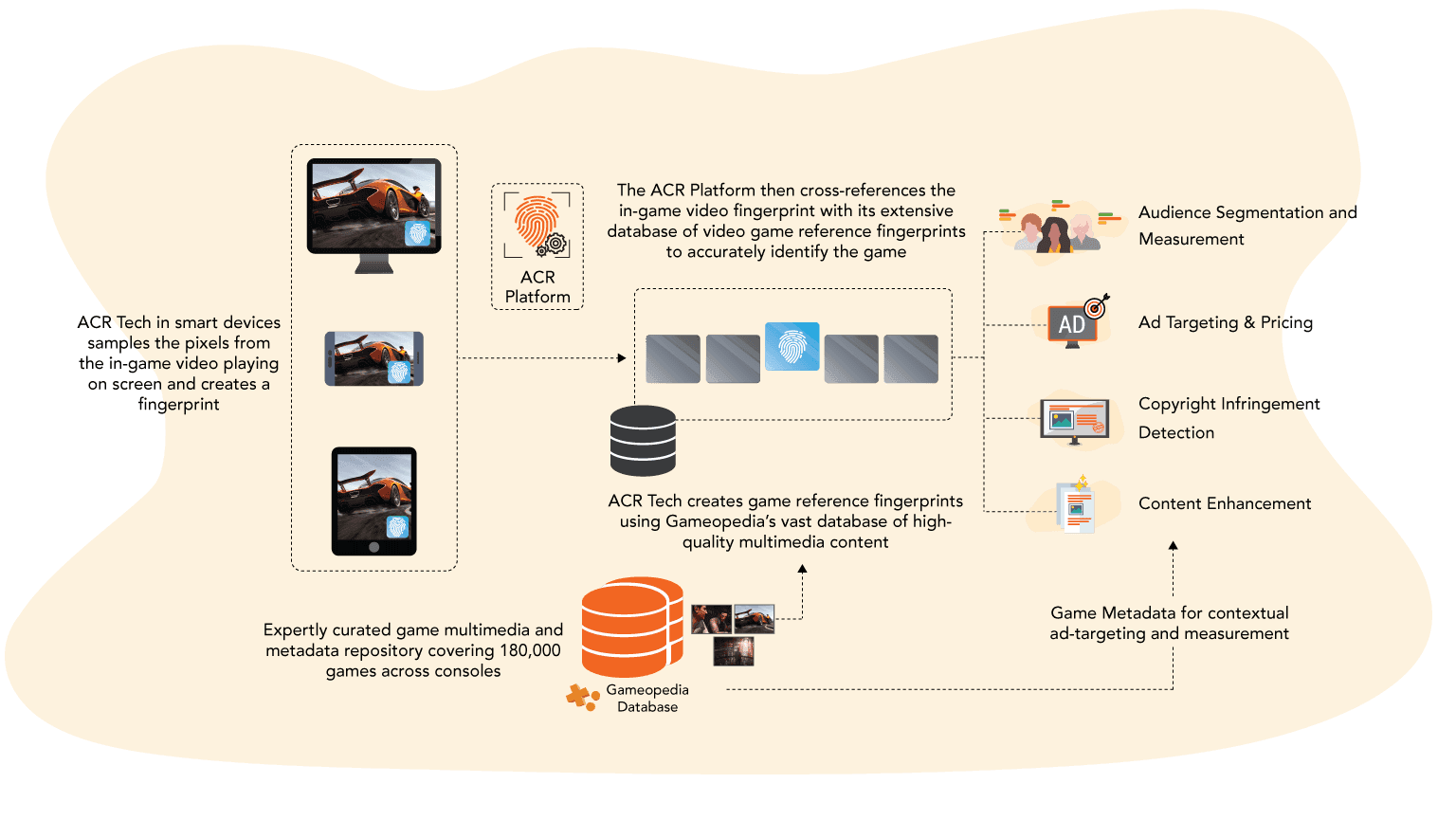
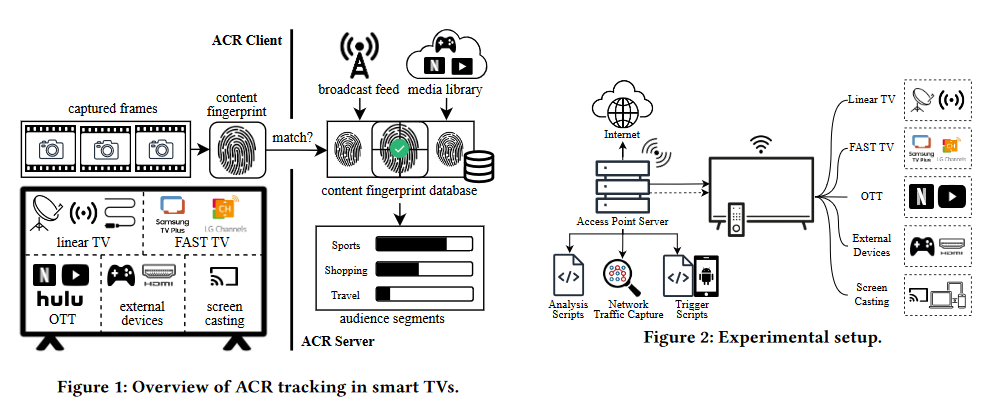

ACR works by creating a kind of digital fingerprint of whatever is on your screen:
- Your TV captures tiny snapshots of video or audio
- Those snippets are compared to a massive database of content
- The system identifies the program, ad, or movie
- That viewing data is sent back to the manufacturer or partners
This can happen every few seconds—or even faster
What it can see
ACR doesn’t just track streaming apps. It can recognize content from:
- Netflix, Hulu, YouTube, etc.
- Cable or satellite TV
- Gaming consoles
- Blu-ray players
- Screen mirroring from your phone
If it’s on your screen, ACR can likely identify it.
Why companies use it
The main goal is advertising and data monetization:
- Build a profile of your viewing habits
- Target ads more precisely
- Measure whether ads you saw led to purchases
- Sell anonymized (or sometimes re-identifiable) data to third parties
In short: your TV becomes part of the ad-tech ecosystem
Why it’s controversial
Critics—and lawsuits like the one in Texas—focus on a few key issues:
- Hidden consent: Settings are often buried or turned on by default
- Scope: Tracking includes everything on your screen, not just apps
- Sensitivity: Viewing habits can reveal personal interests or beliefs
- Transparency: Many users don’t realize this is happening at all
Bottom line
ACR turns your TV into more than a screen—it becomes a sensor that reports back on your behavior.
And unless you turn it off, it may be watching what you watch.