Talc lawsuit checklist: What records to preserve now
If you've been diagnosed with ovarian cancer or mesothelioma after using talc products, it's important to keep track of all aspects of your case.
Consumers diagnosed with ovarian cancer or mesothelioma who used talc products may need detailed evidence showing what they used, how often they used it and when the exposure occurred.
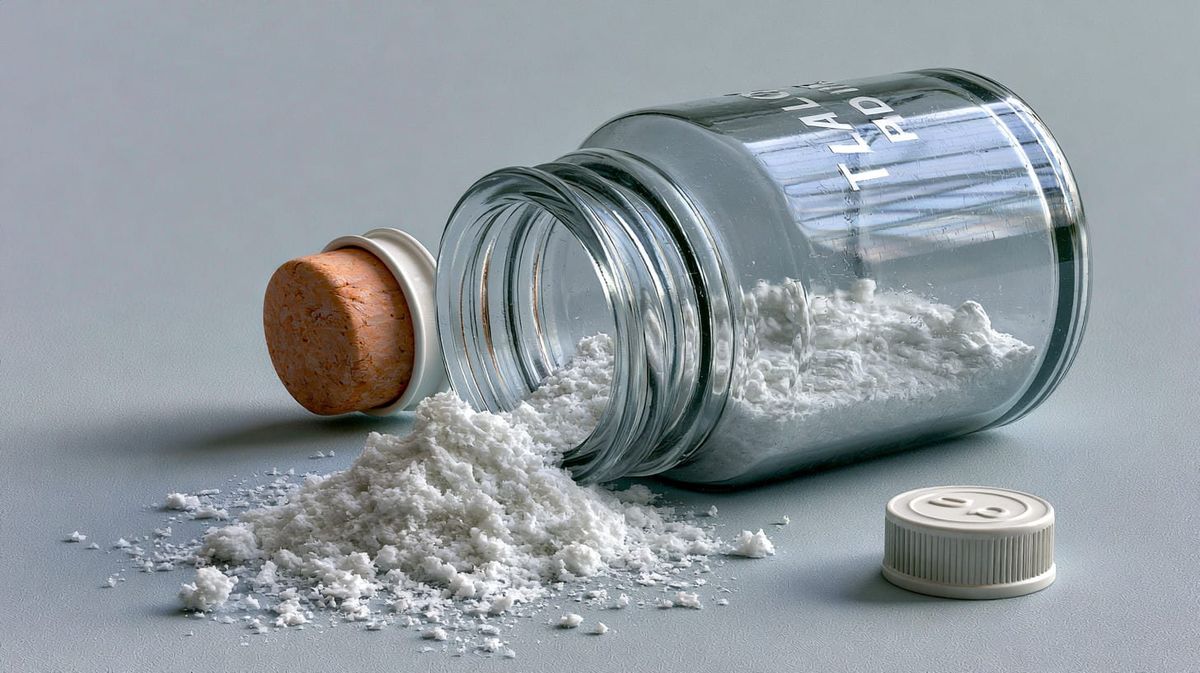
Save the product
Do not throw away an old bottle, container or package that may be relevant.
Place it in a sealed plastic bag, avoid opening or shaking it, and store it where it will not be disturbed. Do not send it to a laboratory or law firm without first getting written instructions.
Photograph everything
Take clear photographs of:
- The front and back of the container;
- The ingredient list;
- The manufacturer and brand name;
- Lot, batch or product codes;
- Bar codes and package markings; and
- Any remaining powder.
Photographs should show the entire container as well as close-ups of identifying information.
 James R. Hood
Reconstruct the history of use
Write down as much as possible about:
- The years the product was used;
- How frequently it was applied;
- Where on the body it was used;
- Whether it was used directly or placed on clothing, sanitary products or bedding;
- Whether someone else regularly applied it; and
- Any brands used over the years.
Do not worry if exact dates are unavailable. Approximate years, homes, life events and family memories may help establish a timeline.
Look for purchase records
Possible sources include:
- Online shopping histories;
- Pharmacy and supermarket loyalty accounts;
- Credit-card statements;
- Store receipts;
- Family photographs showing the product;
- Old household inventories; and
- Emails confirming purchases or deliveries.
Retailers may retain account histories longer than consumers expect.
Gather medical records
Request copies of:
- Pathology reports;
- Biopsy results;
- Operative reports;
- Imaging reports;
- Oncology records;
- Hospital discharge summaries; and
- Records showing the date of diagnosis.
The pathology report is especially important because ovarian cancers and mesothelioma can have different subtypes that may affect a legal claim.
Document other possible exposures
Lawyers and experts will likely ask about other risk factors or sources of exposure.
Make notes about:
- Jobs involving asbestos, mining, construction, manufacturing or industrial dust;
- A spouse or family member who brought work dust home on clothing;
- Other powders or cosmetics used regularly;
- Family history of ovarian or related cancers;
- Genetic testing results; and
- Previous cancers or major reproductive-health conditions.
Providing complete information is better than leaving out facts that could emerge later.
Identify possible witnesses
List relatives, friends or caregivers who remember:
- Seeing the product in the home;
- Buying it for the consumer;
- Watching it being used;
- Helping apply it; or
- Discussing the product over the years.
Include current phone numbers, email addresses and mailing addresses when available.
Keep a contact log
Record every conversation with a law firm, claims administrator or medical expert.
Note the date, the person contacted, what was requested and what documents were provided. Keep copies of signed contracts and authorizations.
Verify any law firm
Before signing, check the lawyer’s state-bar listing and ask:
- Who will actually handle the case;
- Whether the claim will be referred to another firm;
- What percentage will be charged as a fee;
- Which expenses will be deducted;
- Whether expenses are taken before or after the fee is calculated; and
- What happens if there is no recovery.
No lawyer can guarantee that a claim will qualify or predict an exact settlement payment.
Do not rely on social-media deadlines
Mass-tort advertisements frequently use urgent language such as “final deadline” or “last chance.”
Some legal deadlines are real, but they vary by state, diagnosis date, exposure history and the type of claim. Consumers should obtain advice from a licensed attorney rather than relying on an advertisement, call-center representative or social-media post.
Already represented? Check in now
Current talc plaintiffs should confirm that their lawyers have:
- Up-to-date contact information;
- Complete medical and pathology records;
- A detailed product-use history;
- Information about other potential exposures; and
- Any remaining product containers or photographs.
The federal court’s latest causation questions make complete, individualized records especially important.