Prime Day's record total masks a smaller average basket
Record purchases but lots of smaller, cheaper items - a sign consumers are cutting back
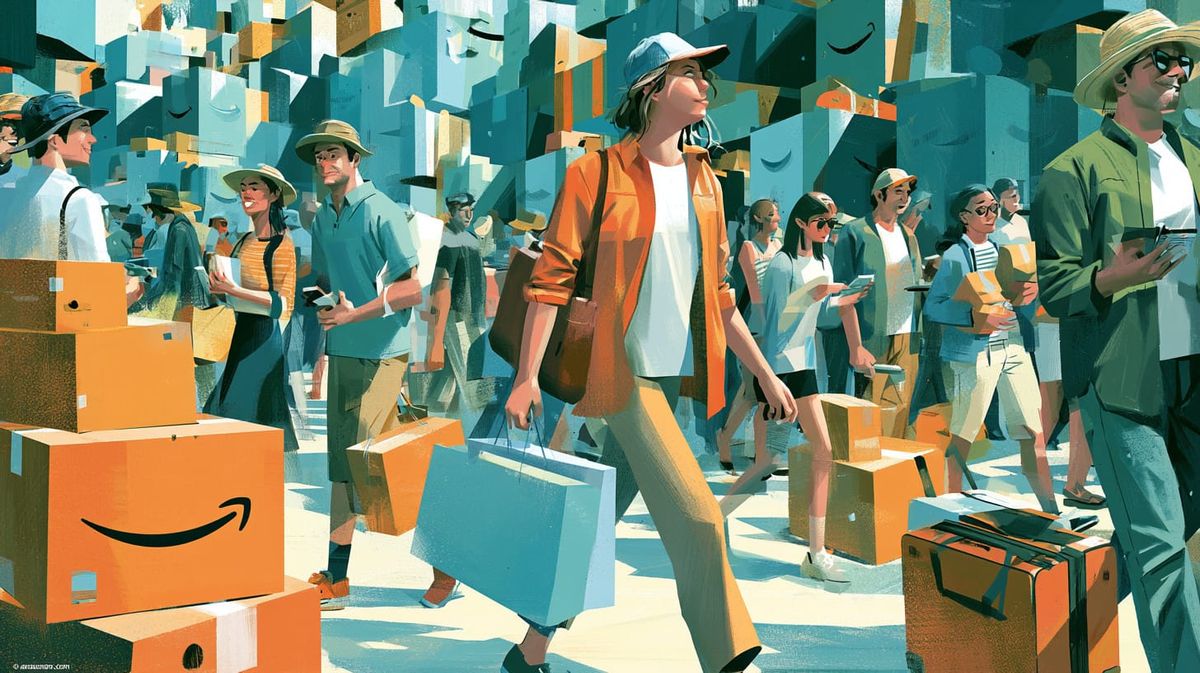
Amazon's annual Prime Day finished its longest run yet — June 23 through June 26 — with U.S. online spending of more than $26.4 billion, up 9.3 percent from a year earlier, according to Adobe Analytics data carried on Reuters' retail page.
Shoppers "clawed for deals on electronics, appliances, items for children and everyday essentials," Reuters reported. The Amazon outage that briefly knocked the site offline for thousands of users Thursday only added to the urgency to buy when the site came back up.
But under the topline, the basket told a more sober story. CFRA and AlixPartners analysts told CNBC during the event that the average order ran $47.66, down from $53.34 a year earlier — a sign that shoppers were buying more, smaller, lower-priced items rather than splurging on big-ticket goods.
The pattern lines up with the broader consumer data the Associated Press has been tracking: an "affordability squeeze" pushing households to spread the same — or smaller — budget across more transactions. Even Amazon's CEO of Worldwide Stores told Reuters in coverage of the event that the company saw "strong demand" for essentials over discretionary categories.
The political backdrop: President Trump used the run-up to Prime Day to threaten a 100 percent tax on imports from countries that impose digital-services taxes on U.S. firms, the AP reported June 26.
The U.S. Trade Representative has also proposed extra tariffs "of 10 percent or more" on most major trading partners after a forced-labor probe, the AP said, with a 10 percent worldwide tariff still being collected after a federal appeals court allowed it to continue.
Each of those moves, if implemented, lands on the same online cart the Adobe data was measuring.