Oil tops $95 as Red Sea joins the war
Houthi militants blocked Saudi vessels, opening a second front in the war
The physical energy picture shifted for the worse. Brent crude futures for September delivery rose $1.93, or 2 percent, to $96 a barrel by early Thursday, the highest since June 8, Reuters reported.
U.S. West Texas Intermediate rose $1.44, or 1.7 percent, to $88.27. Brent has climbed about 34 percent from a post-deal low of $70.14 on July 2, Reuters reported in a separate commentary — a swing that has left global diesel prices up 43 percent from June 26 and Singapore gasoline up 27 percent from July 9.
The war's second front is the Red Sea. Iran-backed Houthi militants declared a blockade against Saudi vessels seeking to pass through the Bab el-Mandeb Strait at the southern entrance to the Red Sea, Reuters reported in market analysis.
Iran's Revolutionary Guards said Thursday morning they had stopped three tankers from passing through the Strait of Hormuz, CBS News reported, and U.S. Central Command said the U.S. had intercepted nine commercial vessels since the July 14 blockade restart. The U.S. carried out its 12th consecutive night of strikes on Iran on Wednesday, The Associated Press reported.
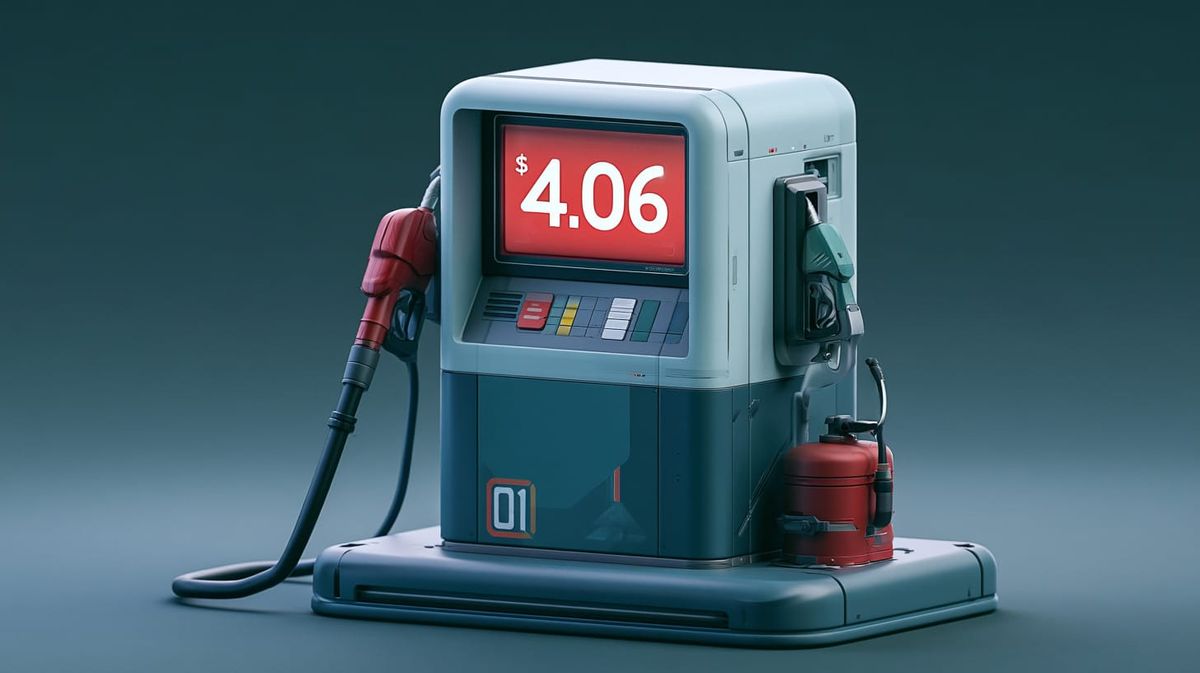
Retail gasoline reached a national average of $4.06 per gallon on Wednesday, a 5-cent increase from Tuesday, NBC News reported, and diesel margins have hit record levels. World Bank chief economist Indermit Gill told Reuters the conflict in Iran could ultimately cut 2026 global growth to as low as 1.3 percent, from 2.9 percent last year.
The Federal Reserve is heading into "one of its most unpredictable meetings in years," The Wall Street Journal reported, as Chair Kevin Warsh weighs rate hikes against war-driven demand destruction.