Meta ordered to pay $567 million — and change Facebook and Instagram to protect children
A New Mexico judge ordered Meta to pay $567 million into programs addressing harms to young people, bringing the company’s liability in the state case to $942 million.
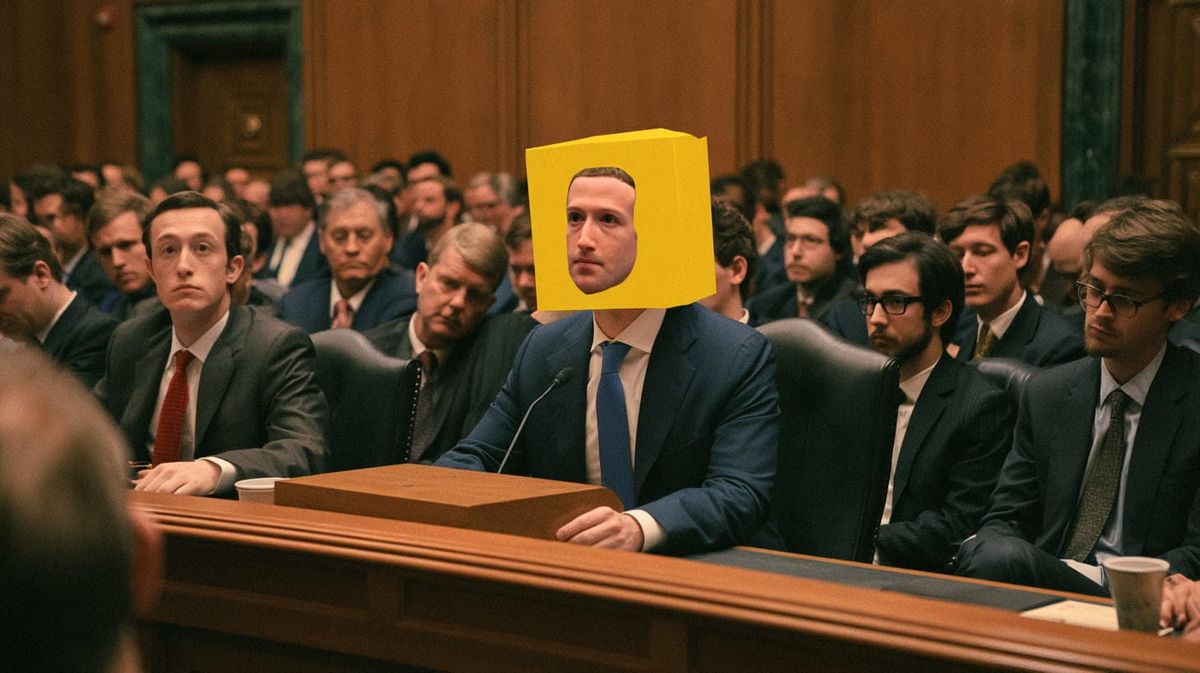
Meta has been hit with another major defeat in New Mexico — and this one could affect much more than the company’s bank account.
State District Judge Bryan Biedscheid ruled Thursday that Meta’s Facebook and Instagram platforms constitute a “public nuisance” in New Mexico and ordered the company to pay $567 million into a fund intended largely to provide mental-health treatment and other services for young people.
The judge concluded that New Mexico teenagers are experiencing a mental-health crisis and that Meta’s platforms were a significant contributing cause.
The ruling follows a March jury verdict that ordered Meta to pay $375 million for violating New Mexico consumer-protection laws by misleading consumers about the safety of Facebook and Instagram.
Together, the two rulings put Meta’s potential cost in the New Mexico case at $942 million, although Meta says it will appeal.
But the potentially more consequential part of the decision may be what Meta has been ordered to do rather than what it has been ordered to pay.
 James R. Hood
Five years of court-ordered changes
Biedscheid imposed a five-year decree requiring Meta to make changes intended to reduce risks to children using Facebook and Instagram.
Among other things, the company must impose limits on how long teenagers can use the platforms, restrict notifications directed at young users and tighten controls over contacts between adults and minors.
The ruling also requires safeguards governing Meta’s artificial-intelligence chatbots and stronger review of reports involving child sexual abuse.
Some of those requirements go directly at features critics say make social-media platforms difficult for children to walk away from — including repeated notifications and recommendation systems designed to keep users engaged.
New Mexico Attorney General Raúl Torrez called the ruling a model that other governments could follow.
“This is not just a judgment against one company. It is a blueprint,” Torrez said following the decision. “Now other states, and other countries confronting the same crisis, have a roadmap they can follow.”
Meta said it plans to appeal.
“We remain confident in our record of protecting teens online and will continue to defend ourselves against claims that misrepresent the facts,” the company said.
What the judge is ordering Meta to change
The New Mexico ruling goes beyond financial penalties. It imposes a five-year court order requiring Meta to make specific changes intended to reduce risks to children and teenagers using Facebook and Instagram.
Among the requirements:
- Screen-time limits: Meta must put restrictions on how long young users can remain on its platforms.
- Fewer notifications: The company must limit notifications sent to teenagers, particularly features designed to repeatedly pull them back into the apps.
- Stronger adult-contact controls: Meta must tighten safeguards intended to prevent adults from contacting or soliciting minors.
- AI chatbot protections: The company must impose additional safeguards on AI systems that interact with children and teenagers.
- Improved child-abuse reporting: Meta must strengthen its handling and review of reports involving child sexual abuse and exploitation.
- Five years of oversight: The requirements remain in effect for five years, giving the court continuing leverage over Meta’s compliance.
Why it matters
Most previous cases against social-media companies have focused on fines or damages. The New Mexico order directly targets product design and operating practices.
If it survives Meta’s planned appeal, the ruling could give other states a model for seeking similar restrictions on Instagram, Facebook and potentially other social-media platforms.
For parents, the case also shifts an important part of the debate. Instead of placing responsibility entirely on families to limit children’s social-media use, the court is requiring the company that designs the platform to build in protections of its own.
An undercover investigation started the case
New Mexico's case grew out of an unusual undercover investigation launched by Torrez's office.
Investigators created accounts posing as children, some supposedly 14 or younger, and documented how Facebook and Instagram treated them.
The attorney general's office alleged that Meta's systems exposed the purported children to sexually explicit material, allowed adults to contact and solicit them and recommended groups associated with sexual exploitation.
When Torrez filed the lawsuit in 2023, his office alleged that Meta knew children faced serious risks on its platforms but had failed to make sufficient changes to protect them.
The case subsequently expanded beyond sexual exploitation to focus heavily on what New Mexico described as intentionally addictive product design and its effects on children's mental health.
A jury sided with the state in March, finding Meta liable under New Mexico's Unfair Practices Act and assessing $375 million in civil penalties.
Thursday's ruling decided a separate portion of the case involving public nuisance claims and what Meta must do to remedy the alleged harm.
A potentially important crack in tech's legal shield
The case could also matter because of how New Mexico got around one of the technology industry's most powerful legal protections.
Internet platforms have traditionally relied heavily on Section 230 of the federal Communications Decency Act, which generally protects platforms from being treated as the publisher of material posted by users.
Meta argued that Section 230 barred New Mexico's claims.
Biedscheid rejected that argument.
The state, he found, was challenging Meta's own product features and design decisions — not simply trying to hold Facebook or Instagram responsible for something another person posted.
That distinction is becoming central to a new generation of social-media litigation.
Instead of arguing simply that harmful content appeared online, plaintiffs increasingly contend that features created by the companies themselves — recommendation algorithms, notifications, autoplay systems and other engagement tools — caused or amplified the harm.
That approach has begun producing courtroom victories.
In March, just after the New Mexico jury verdict, a Los Angeles jury sided with a young woman who alleged that Meta's platforms contributed to depression after she became compulsively attached to Facebook and Instagram.
Hundreds of governments are making similar claims
New Mexico is not pursuing Meta in isolation.
More than 40 states and more than 1,300 school districts have filed public-nuisance lawsuits against social-media companies, according to Reuters, seeking damages and changes in how the platforms operate.
Meta also faces thousands of individual claims involving alleged social-media addiction and youth mental-health injuries.
Four states — California, Colorado, Kentucky and New Jersey — are pursuing another major case accusing Meta of designing Facebook and Instagram to addict children and misleading consumers about their safety. Meta said in a July court filing that the states' calculations could expose it to as much as $1.4 trillion in statutory penalties, a figure the company argues is unsupported.
That number is far from an actual judgment. But it illustrates why the New Mexico case is being watched so closely.
A legal theory that once looked novel has now survived Meta's efforts to dismiss it, persuaded a jury and produced a sweeping injunction from a judge.
AI is becoming part of the child-safety fight
The New Mexico order also pushes the case beyond conventional social media into another fast-growing concern: AI companions.
The court's safeguards for AI chatbots come as lawmakers and regulators increasingly question whether conversational AI systems should be permitted to engage children in emotionally intimate or sexualized conversations.
Reuters reported last year that internal Meta guidelines had permitted its AI chatbots in some circumstances to engage children in conversations characterized as romantic or sensual. Meta subsequently revised policies governing chatbot behavior.
The issue could become increasingly important as Meta and other technology companies embed AI assistants throughout products already heavily used by children.
It also demonstrates how quickly the child-safety dispute is expanding. What began largely as an argument over Instagram feeds and recommendation algorithms now includes generative AI systems capable of carrying on sustained, personalized conversations with young users.
What this means for parents
The ruling does not mean Facebook and Instagram will immediately look different everywhere.
The New Mexico order applies to the litigation brought by that state, and Meta's promised appeal could delay or change portions of the decision.
But parents elsewhere should pay attention.
If the ruling survives appeal, other attorneys general and plaintiffs now have something they previously lacked: an actual court-tested framework for forcing a major social-media company to alter product design rather than merely pay a penalty.
The significance of the case, therefore, isn't simply that Meta was ordered to write another large check.
For years, the central argument over children's social-media use has been whether parents should be responsible for controlling what their children do online.
The New Mexico ruling asks a different question:
What responsibility does the company that deliberately designs the environment have for making it safe?
For Meta — and potentially the rest of the social-media industry — courts are beginning to provide an answer.