Lettuce linked to major Cyclospora outbreak: What consumers should do now
Federal investigators have linked shredded iceberg lettuce served at Taco Bell restaurants in five states to a multistate outbreak that has sickened at least 1,644 people.
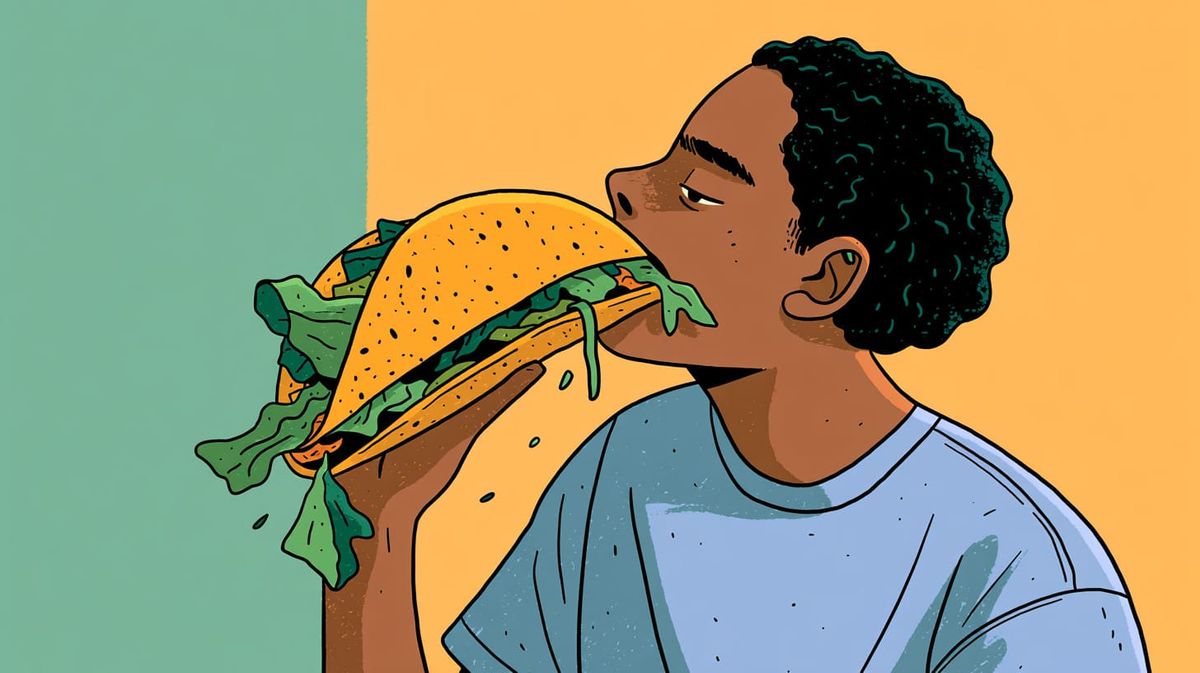
Federal health officials say shredded iceberg lettuce supplied to Taco Bell restaurants is the likely source of a large outbreak of cyclosporiasis, a parasitic intestinal illness that can cause severe and prolonged diarrhea.
The Food and Drug Administration said 1,644 confirmed illnesses associated with Taco Bell had been reported in Indiana, Kentucky, Michigan, Ohio and West Virginia as of July 16. Ninety-four people had been hospitalized, and no deaths had been reported.
Illnesses began between May 13 and July 13. Among 190 Michigan patients who reported eating at Taco Bell and provided detailed information about their meals, 90% said they had eaten iceberg lettuce, the U.S. Food and Drug Administration said.
The FDA’s traceback investigation found that lettuce served at restaurants visited by sick customers converged on a single supplier of iceberg lettuce grown in Mexico. The Washington Post identified the supplier as Taylor Farms, although the FDA did not publicly name the company in its initial advisory.
Taco Bell has agreed to stop using lettuce from the supplier, the FDA said. However, investigators cautioned that additional restaurants, retailers, brands or distribution channels could be identified as the inquiry continues.
 The Editors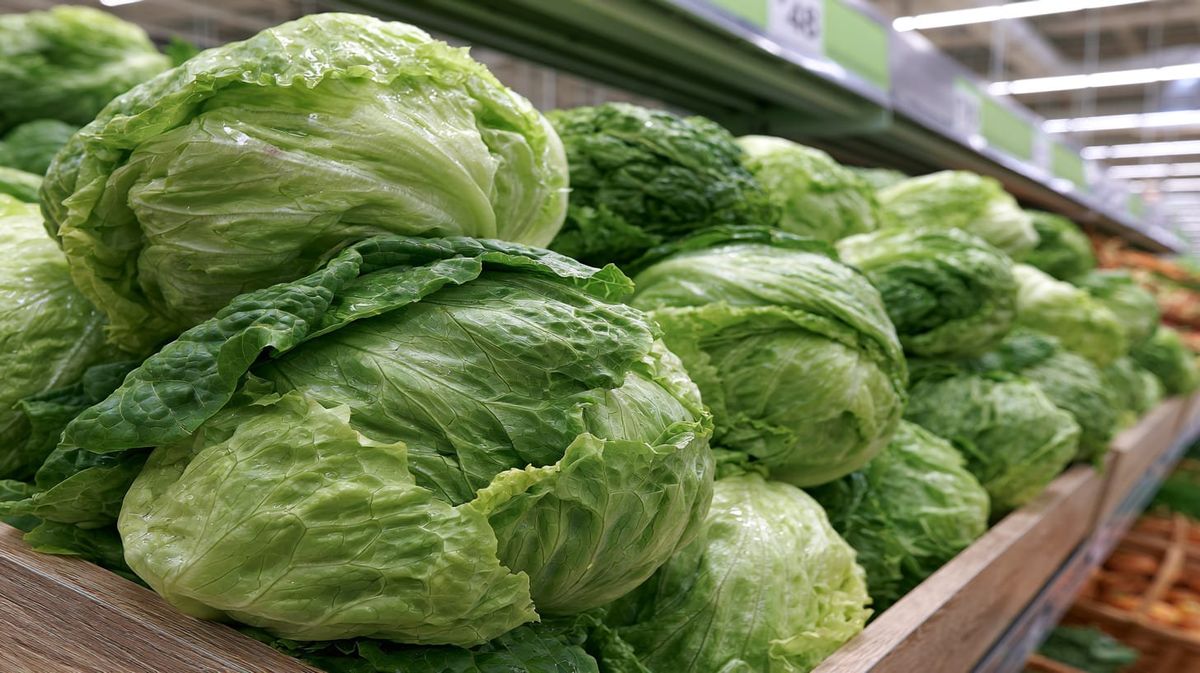
What consumers should do
The FDA says consumers should not eat food containing shredded iceberg lettuce from Mexico served at Taco Bell locations in Indiana, Kentucky, Michigan, Ohio and West Virginia.
Not every Taco Bell in those states received the implicated lettuce, but the agency’s warning applies broadly while investigators determine exactly where the product was distributed. The FDA also cautioned that the lettuce may have reached states beyond the five currently listed.
Consumers who recently purchased affected food should:
- Throw it away rather than attempting to wash and eat the lettuce.
- Clean and sanitize containers, refrigerator shelves, countertops or other surfaces touched by the food.
- Wash hands with soap and water after handling the food or its packaging.
- Watch for symptoms for at least two weeks after eating the suspected lettuce.
The incubation period for Cyclospora is usually about one week but can range from two days to two weeks or longer. (CDC)
Washing produce helps — but it is not a guarantee
The CDC advises consumers to wash all fruits and vegetables thoroughly under running water, including produce labeled “pre-washed.” Firm produce such as cucumbers and melons should be scrubbed with a clean produce brush, and damaged or bruised sections should be cut away, the CDC advises.
But washing cannot reliably remove every Cyclospora organism from leafy greens, particularly when contamination is trapped in folds, crevices or cut surfaces.
Consumers should never rely on washing to make a product covered by an FDA “do not eat” warning safe. Implicated food should be discarded.
Those seeking to reduce their risk while the investigation continues can choose vegetables that will be cooked thoroughly, use canned or cooked frozen vegetables, and purchase whole heads of lettuce rather than precut or shredded products. Consumers should also keep raw produce separated from raw meat and refrigerate cut or peeled produce within two hours.
Federal officials have not advised Americans nationwide to stop eating all lettuce or fresh produce.
Symptoms can last for weeks
Cyclospora is a microscopic parasite that infects the small intestine. The most common symptom is watery diarrhea that may be frequent and sometimes severe.
Other symptoms can include:
- Loss of appetite and weight loss
- Stomach cramps, bloating and gas
- Nausea or vomiting
- Fatigue
- Body aches
- Headache or low-grade fever
Symptoms may appear to improve and then return. Without treatment, the illness can last from a few days to more than a month. People with weakened immune systems may experience a longer or more serious illness.
Consumers should seek prompt medical attention if they have persistent diarrhea, signs of dehydration, difficulty keeping fluids down, severe abdominal pain or symptoms that repeatedly disappear and return.
Older adults, young children, pregnant people and those with weakened immune systems should be especially cautious about dehydration.
Tell the doctor about possible Cyclospora exposure
Cyclospora can be missed because it is not included in every routine stool test or gastrointestinal test panel.
Patients who have prolonged diarrhea should tell their healthcare provider about any recent restaurant meals, travel and consumption of lettuce, salad greens, herbs or other raw produce. Those who recently ate at a Taco Bell in one of the five affected states should mention that specifically.
The CDC says healthcare providers may need to specifically request a Cyclospora test. More than one stool sample may also be necessary because the parasite can be difficult to detect, CDC said.
Cyclosporiasis is generally treated with the antibiotic trimethoprim-sulfamethoxazole, commonly sold as Bactrim or Septra. People allergic to sulfa drugs should discuss alternatives with their healthcare provider and should not attempt to self-treat with leftover antibiotics.
Why outbreaks can be difficult to trace
Cyclospora does not usually spread directly from one person to another. After the parasite is shed in human waste, it generally must remain in the environment for at least one to two weeks before becoming infectious.
Outbreaks are therefore commonly associated with food or water contaminated during growing, harvesting, processing or distribution. Previous U.S. outbreaks have been linked to salad mixes, basil, cilantro, raspberries and other fresh produce.
Tracing the source can be difficult because people may not become sick until a week or more after eating the contaminated food, and ingredients such as shredded lettuce may be distributed to many restaurants under different supply arrangements.
The FDA said it has increased screening of implicated products at the border and is collecting lettuce samples for laboratory testing. The investigation remains active, and the agency said its consumer advisory will be expanded if additional products or locations are identified.
Consumer safety checklist
Avoid: Shredded iceberg lettuce at Taco Bell restaurants in Indiana, Kentucky, Michigan, Ohio and West Virginia until the warning is lifted.
Discard: Do not try to salvage or wash food covered by the FDA warning.
Clean: Sanitize containers and surfaces that touched the food.
Monitor: Watch for watery or recurring diarrhea for two weeks or longer after possible exposure.
Call: Contact a healthcare provider if symptoms develop, especially if diarrhea is prolonged or dehydration is a concern.
Ask: Specifically ask whether Cyclospora testing is needed; it may not be included in routine stool testing.
Report: Consumers can also report suspected foodborne illness to their state or local health department, which may help investigators identify additional cases and distribution channels.
The supplier attribution is carefully framed because the FDA advisory identifies a single supplier but does not publicly name it, while The Washington Post reports that it is Taylor Farms.