Healthy bargains when food choices are limited
Healthy food isn't always the most expensive. There are plenty of low-cost alternatives.
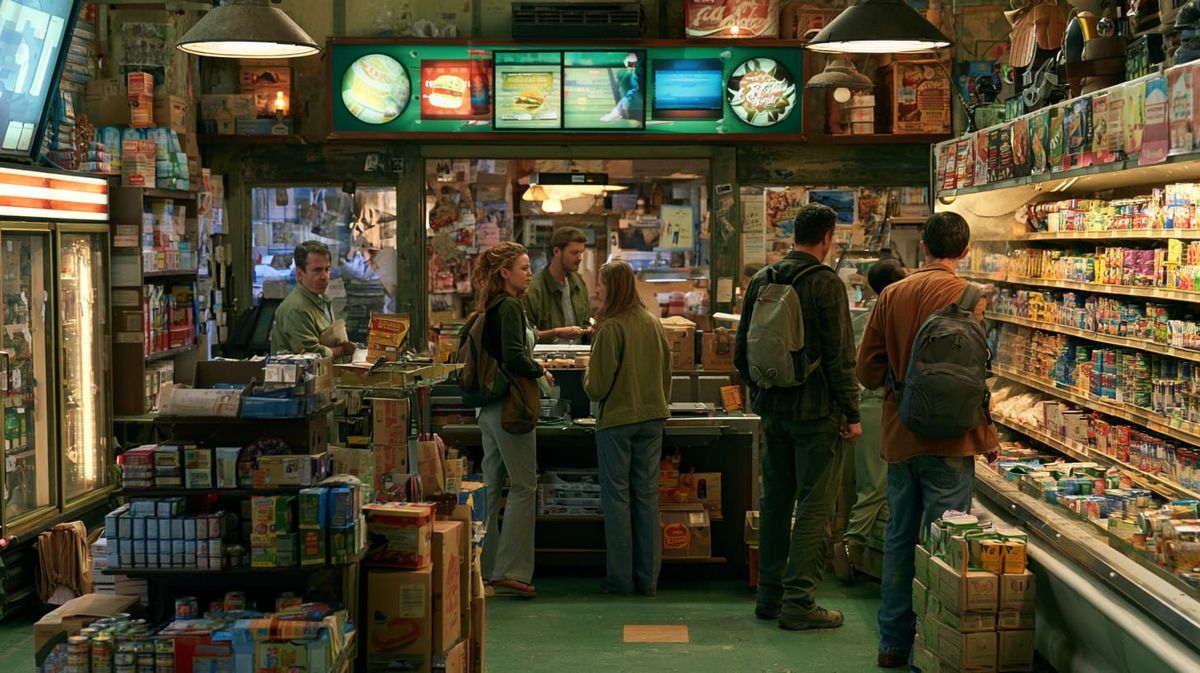
Shopping at a dollar store or small discount market doesn't mean every item has to be highly processed. Availability varies greatly, but these are some of the better-value foods to look for:
Beans and lentils
Canned or dried beans provide protein and fiber and can stretch soups, chili, rice dishes and tacos. Rinsing canned beans can reduce sodium.
Oatmeal
Plain oats are inexpensive, filling and a good source of fiber. They're usually a better nutritional buy than heavily sweetened breakfast cereals.
Peanut butter
It provides protein and unsaturated fats, stores well and requires no refrigeration. Check the label for varieties without large amounts of added sugar.
Canned tuna, salmon or sardines
Shelf-stable fish can be a relatively inexpensive source of protein and, depending on the variety, omega-3 fats.
Brown rice and whole grains
When available, whole-grain versions generally provide more fiber than highly refined grains.
Canned vegetables
They're nutritious, inexpensive and won't spoil in the refrigerator. Look for low-sodium or no-salt-added versions when available — or rinse regular canned vegetables before serving.
 The Editors
Frozen fruits and vegetables
If the store has a freezer section, plain frozen produce can be one of the best bargains around. You use only what you need, so there's little waste.
Canned fruit
Choose fruit packed in water or its own juice rather than heavy syrup when possible.
Nuts and seeds
They can look expensive by the package, but a serving is small and they provide protein, fiber and healthy fats.
Watch the unit price
A dollar-store package isn't automatically cheaper.
Discount retailers sometimes sell smaller packages, so compare the price per ounce, pound or serving with supermarket prices when you can.
A $1.25 package can be more expensive than a $3 supermarket package if you're getting only one-third as much food.
A useful shopping rule
When money is tight, try to build the cart around foods that provide more than one thing:
protein + fiber
protein + healthy fats
whole grains + fiber
fruit or vegetables + vitamins and minerals
The cheapest calories aren't always the cheapest nutrition.
I like this version considerably better. It retains the affordability angle that caught our attention in the first place, but the study gives it a much more concrete finding — a “food store” isn't necessarily meaningful food access.