Google ordered to pay Klarna $1.5 billion in shopping-search antitrust case
The case stems from Google’s long-running European antitrust fight over whether it unfairly favored Google Shopping in search results.
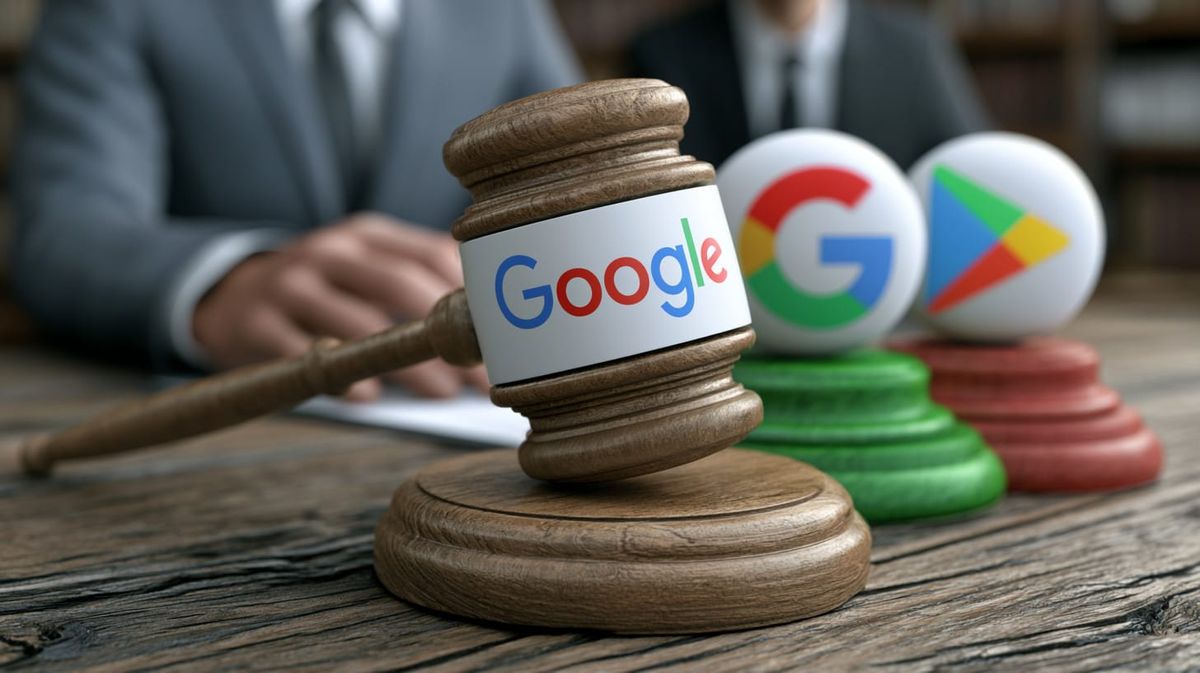
Google has been ordered to pay roughly $1.5 billion to a Klarna-owned shopping comparison service, in one of the largest private antitrust damage awards yet to come out of Europe’s long-running crackdown on Big Tech.
The Swedish Patent and Market Court ruled that Google must pay 14.3 billion Swedish kronor to PriceRunner, a price-comparison site owned by Klarna, after finding that Google’s search practices harmed the rival shopping service. The award is thought to be the largest antitrust damages judgment ever issued by a Swedish court.
PriceRunner had sought much more — about 78 billion Swedish kronor, or more than $8 billion — but the court dismissed substantial parts of its claim, according to Reuters.
The case is not over. Google said it disagrees with the ruling and is considering its legal options, according to Reuters and other reports. Any payment could be delayed or reduced by appeals, taxes, litigation-funding arrangements and prior sharing agreements with former PriceRunner shareholders.
A fight over who gets seen online
The case centers on a simple but enormously valuable question: when consumers search online for products and prices, does Google steer them toward its own shopping results and away from independent comparison sites?
PriceRunner accused Google of abusing its dominance in search by manipulating results in favor of Google’s own comparison-shopping service, while demoting competitors such as PriceRunner. That, the company argued, diverted traffic and revenue away from independent shopping-comparison services that consumers use to compare prices across retailers.
The Swedish ruling follows a much larger European antitrust saga. In 2017, the European Commission fined Google €2.42 billion for abusing its dominant position by favoring Google Shopping over rival comparison-shopping services. The EU’s top court upheld that fine in September 2024, ending Google’s appeal, curia reported.
The European Court of Justice said Google had favored its own comparison-shopping service in general search results while rival services were shown less prominently, often as ordinary links.
That EU ruling helped create the foundation for private damages cases like PriceRunner’s. Instead of merely fining Google, the Swedish case asked whether a competitor could recover money for business losses allegedly caused by Google’s conduct.
Why it matters to shoppers
For consumers, the issue is not just whether one tech company owes another money. The bigger question is whether online search results give shoppers a fair view of the market.
Comparison-shopping sites can help consumers find lower prices, compare sellers and spot hidden costs. If search engines favor their own shopping tools over independent comparison sites, consumer advocates argue, shoppers may see fewer choices and less price competition.
That concern is central to Europe’s broader effort to rein in “self-preferencing” by dominant digital platforms — when a company that controls a key online gateway gives its own products or services an advantage over rivals.
The EU’s Digital Markets Act, which took effect after the original Google Shopping case, now imposes special rules on large online “gatekeepers,” including restrictions aimed at preventing dominant platforms from ranking their own services more favorably than rivals in certain circumstances. The PriceRunner case shows that older antitrust fights are still producing financial consequences even as newer digital-market rules take shape.
Klarna gets a potential windfall — but with caveats
Klarna bought PriceRunner in 2022, the same year PriceRunner filed the Swedish lawsuit. Klarna is best known in the United States for “buy now, pay later” loans, but it has also been building a broader shopping and commerce business.
A major court award could strengthen that strategy, although the money is far from guaranteed. Klarna previously warned investors that any award would be subject to appeal and could be affected by agreements with former PriceRunner shareholders and litigation funders.
The award is also much smaller than the amount PriceRunner sought. Reports put the original claim at roughly $8 billion to $8.3 billion, making it one of the largest civil damages claims ever brought in Sweden.
Still, even at $1.5 billion, the ruling is a major antitrust setback for Google and a signal to other technology competitors that private damages lawsuits can follow public enforcement actions.
Google says it has changed its practices
Google has maintained that it changed its shopping-ad practices in Europe after the 2017 European Commission decision and that comparison-shopping services have benefited from those changes. The company disagreed with the Swedish court’s ruling and is expected to fight the award.
That means the case may continue for years. But the judgment adds to Google’s global antitrust pressure, including European cases over shopping, Android and advertising technology, as well as U.S. antitrust cases involving search and digital advertising.
What consumers can do
Shoppers looking for the lowest price should not rely on a single search result page. Consumer advocates generally recommend checking several sources before buying, especially for expensive items.
That can include independent comparison-shopping sites, retailer websites, manufacturer sites, coupon and cash-back tools, and consumer-review sources. The key lesson from the Google Shopping fight is that search results are not neutral price lists. They are ranked, designed and monetized — and those choices can affect what consumers see first.
For now, the Swedish judgment is a major win for Klarna and PriceRunner, but not the final word. Google can appeal, and the eventual amount — if any — could change.
The case nevertheless underscores a central issue in modern online shopping: when one company controls the path between consumers and sellers, small changes in ranking can move billions of dollars.