Food safety alarms grow as produce outbreaks trigger lawsuits — and new FDA guidance
New FDA regulations, a flood of lawsuits and updated consumer safety information are the latest in the food crisis.
Two major produce outbreaks, thousands of illnesses, multiple lawsuits and a sweeping new set of federal food-safety recommendations are putting fresh-cut fruits and vegetables under new scrutiny.
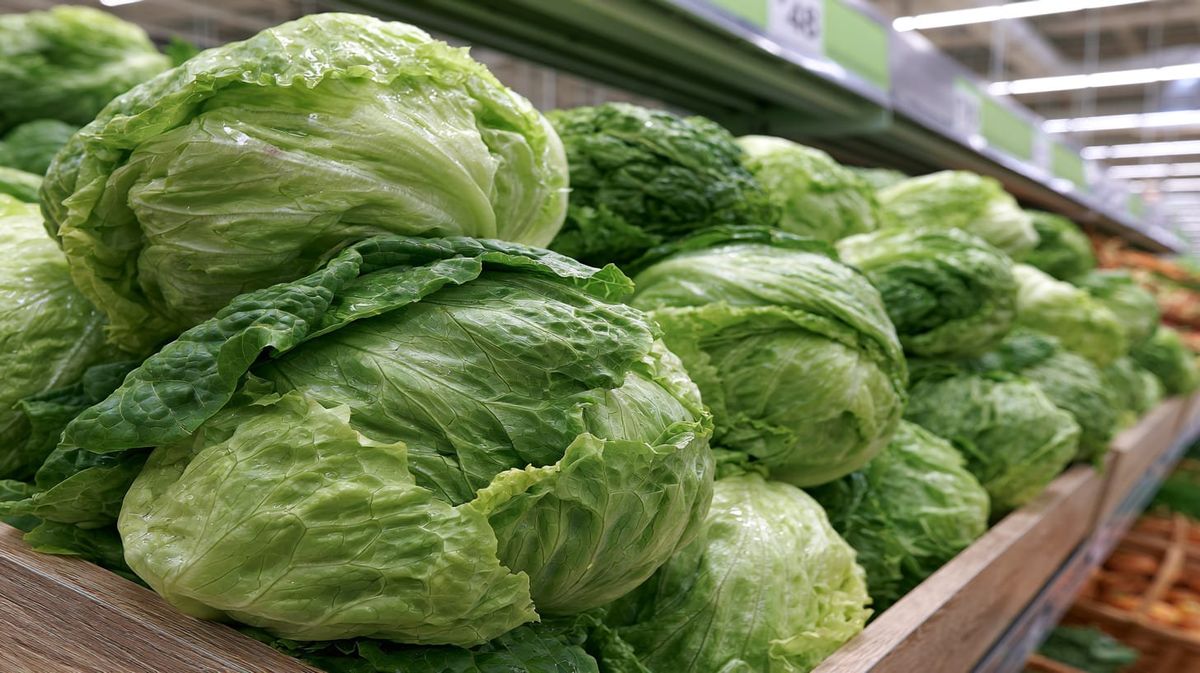
The Centers for Disease Control and Prevention says a Cyclospora outbreak linked to iceberg lettuce from Taylor Farms de Mexico has now sickened 6,358 people in 15 states, with 278 hospitalizations and two deaths. The recalled lettuce was distributed to consumers, restaurants and retailers in at least 27 states, including Taco Bell restaurants and some Walmart stores, according to the CDC.
Now Taylor Farms and Taco Bell are facing multiple lawsuits from consumers who say they became sick after eating the lettuce.
At least two proposed class actions have been filed in federal courts in California, while another lawsuit was filed in Ohio. The complaints allege that contaminated lettuce was sold to consumers and that the companies failed to adequately protect or warn them. Taylor Farms and Taco Bell had not yet responded to the suits as of Insurance Journal's Aug. 11 report, Insurance Journal reported.
 James R. Hood
At almost the same time, another fresh-produce problem has emerged.
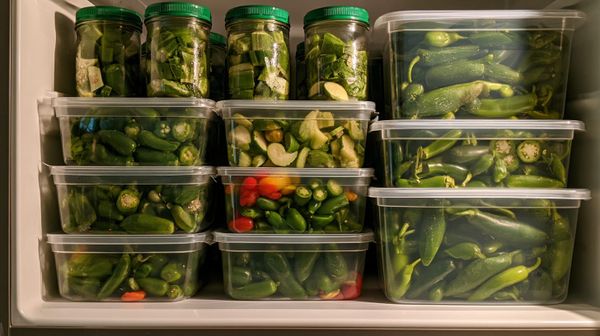
FDA is investigating a Salmonella outbreak linked to fresh jalapeños from Sinaloa, Mexico, distributed by Coast Citrus Distributors. As of Aug. 10, the outbreak included 345 illnesses and 36 hospitalizations in 27 states. No deaths had been reported, the U.S. Food and Drug Administration said.
Taylor Fresh Foods has recalled numerous prepared foods containing the jalapeños, including dips, salsa, guacamole, sandwiches and other products sold through retailers including Walmart, Target, Kroger, Trader Joe's, Whole Foods, Hannaford and Stop & Shop. Some recalled products have "Best If Used By" dates through Aug. 16, 2026.
Taylor Fresh Foods said it was not aware of illnesses specifically linked to its recalled finished products containing the jalapeños and said it had stopped sourcing produce from the grower involved.
FDA focuses on the weak point: fresh-cut produce
Against that backdrop, FDA on Aug. 11 finalized long-awaited guidance for companies that manufacture and process ready-to-eat fresh-cut produce.
The timing is notable, although the guidance was not created in response to the current outbreaks. It grew out of a draft issued in 2018 and replaces FDA guidance dating to 2008.
FDA says fresh-cut produce presents particular challenges because contamination can occur while produce is grown, transported, processed, mixed with other products or handled at retail — and contamination can be amplified as food moves through the supply chain.
Unlike meat or many processed foods, chopped lettuce, diced onions, cut melon, shredded carrots and similar products usually don't undergo a cooking or other "kill step" before being eaten.
The FDA guidance calls on processors to assess biological hazards and use measures that can include sanitation controls, safe water, refrigeration, employee training and supplier verification. The recommendations themselves are guidance rather than new legally binding regulations, according to Insurance Journal.
Supplier controls may be especially important with Cyclospora.
FDA says antimicrobial treatments used in produce wash water may not adequately control the parasite, meaning processors cannot necessarily wash their way out of contamination that occurred before produce reached their plants.
That puts greater emphasis on knowing where produce came from and how it was grown, harvested and handled.
The lettuce outbreak keeps growing
The scale of the current Cyclospora outbreak helps illustrate the difficulty.
Taylor Farms de Mexico recalled all iceberg lettuce sourced from central Mexico on July 17. Nevertheless, CDC expects reported case totals may continue to rise because it can take as long as six weeks to determine whether an illness belongs to the outbreak.
Illnesses associated with the outbreak began June 22 and continued through at least July 31. The two deaths occurred in Michigan; FDA said both patients had significant underlying health conditions that may have been worsened by cyclosporiasis and dehydration, according to the Food and Drug Administration.
FDA's traceback investigation says the evidence converges on iceberg lettuce from Taylor Farms de Mexico and growers in central Mexico. An early laboratory sample initially reported as positive for Cyclospora was subsequently determined to be a false positive, but FDA said that did not change the epidemiological and traceback evidence supporting the recall.
CDC also stresses an important distinction: the 6,358 cases are the illnesses currently associated with this particular lettuce outbreak. Other Cyclospora outbreaks and illnesses from unrelated sources are also being investigated around the country. (CDC)
What consumers should do
The recalled Taylor Farms iceberg lettuce should no longer generally be on store shelves because its best-by dates have passed. But anyone who still has recalled lettuce at home should throw it away or return it and wash surfaces or containers that touched it with hot soapy water or in a dishwasher, CDC says.
The jalapeño recall is more immediate. Consumers should check refrigerated foods such as salsa, pico de gallo, guacamole and dips against FDA's recall list, particularly products with use-by dates extending through Aug. 16. Recalled products should not be eaten.
Cyclospora commonly causes watery diarrhea, loss of appetite, cramping, bloating, nausea and fatigue. Symptoms generally start about a week after exposure but can begin sooner or later and may persist for weeks without treatment. CDC notes that patients may need to specifically request testing because routine stool tests don't always screen for the parasite.
Salmonella symptoms generally include diarrhea, fever and abdominal cramps and usually begin within 12 to 72 hours after exposure. Young children, older adults and people with weakened immune systems face greater risk of severe illness.
The larger lesson from both outbreaks is less reassuring: with ready-to-eat produce, the most important food-safety measures may have to happen before the lettuce, peppers or fruit ever reach the consumer's kitchen.