Extreme heat can be hard on your eyes, too
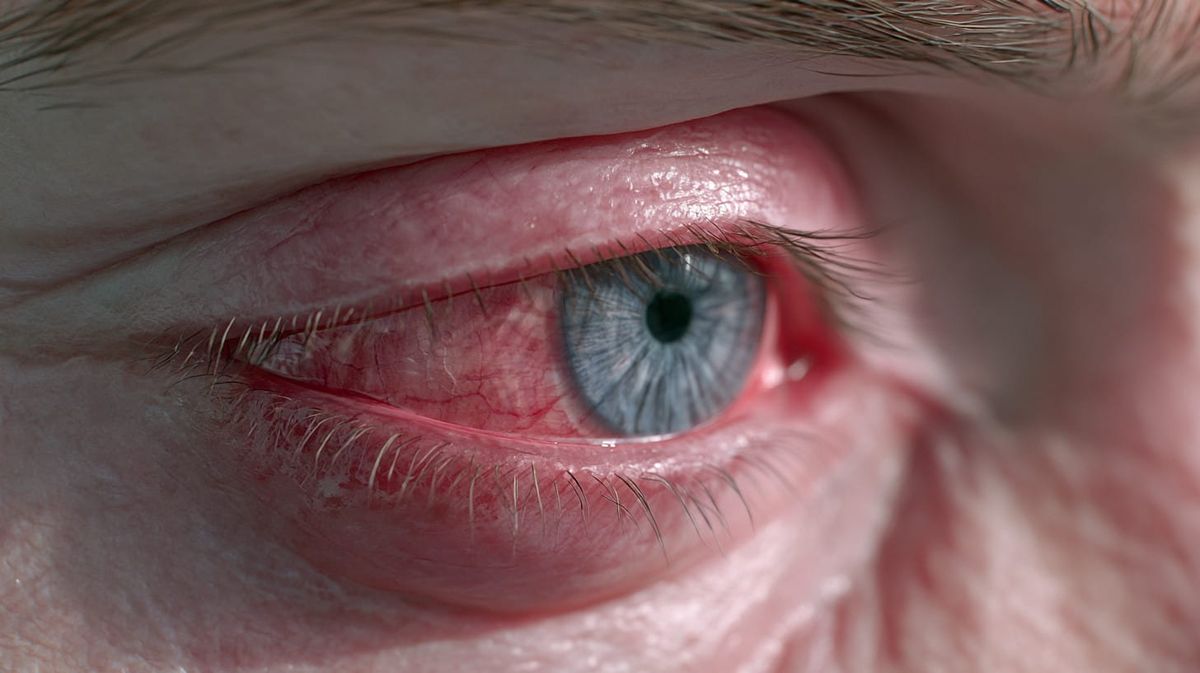
Heat waves can worsen dry eye by speeding tear evaporation and increasing dehydration.
As much of the country swelters through dangerous heat, doctors and public-health agencies are warning consumers to protect more than their skin and lungs.
Extreme hot weather can also be hard on the eyes — especially for people who already have dry eye, wear contact lenses, work outdoors or spend long hours in air-conditioned rooms.
Dry eye occurs when the eyes do not make enough tears, or when tears evaporate too quickly to keep the surface of the eye lubricated. Symptoms can include a scratchy or gritty feeling, stinging or burning, red eyes, sensitivity to light and blurry vision, according to the National Eye Institute. It advises people with dry eye to avoid smoke, wind and air conditioning when possible, use a humidifier, wear wraparound sunglasses outdoors and drink plenty of water.
Hot weather can make it harder to keep eyes healthy. Heat, wind and low humidity can cause tears to evaporate more quickly, while dehydration may reduce the body’s ability to maintain normal tear production. A 2023 study of dry-eye patients found that humidity and temperature were associated with dry-eye symptoms and clinical signs, and noted that lower humidity has been shown in controlled settings to cause faster tear evaporation and shorter tear-film breakup time.
That matters because the tear film is the eye’s front-line protection. It lubricates the cornea, washes away irritants and helps maintain clear vision. When it breaks down, the surface of the eye can become inflamed and vulnerable. Untreated severe dry eyes can lead to eye inflammation, abrasion of the corneal surface, corneal ulcers and vision loss, the Mayo Clinic warns.
The risks often rise during heat waves because people are exposed to several irritants at once. Air conditioning, fans and indoor dry air can worsen evaporation. Outdoors, bright sun and ultraviolet radiation can damage the eyes; the American Academy of Ophthalmology advises wearing sunglasses marked “100% UV protection” and a broad-brimmed hat to help prevent photokeratitis, a painful sunburn-like injury to the eye.
Smoke is another growing concern. EPA says wildfire smoke contains fine particles that can get into the eyes and respiratory system, causing burning eyes, runny nose and other health problems. In a June 2026 wildfire-smoke fact sheet, EPA listed eye irritation and headaches among short-term smoke-related health effects.
Heat itself is a problem
Heat itself is also a broader health warning sign. CDC’s National Institute for Occupational Safety and Health says heat exhaustion can cause headache, nausea, dizziness, weakness, irritability, thirst, heavy sweating, elevated body temperature and decreased urine output. Those symptoms should be taken seriously, especially in older adults, children, outdoor workers and people with chronic medical conditions.
For consumers, the practical advice is simple: do not wait until your eyes are painfully irritated. Artificial tears can help, but consumers should choose preservative-free drops if they need them frequently, avoid blowing fans directly at the face and take breaks from screens, which reduce blinking. Contact-lens wearers should be especially cautious, since lenses can worsen dryness and irritation during hot, smoky or windy conditions.
People should seek medical care promptly for eye pain, sudden vision changes, severe redness, light sensitivity, discharge, injury, or symptoms that do not improve after leaving heat, smoke or dry air. Dry eye is common, but persistent symptoms are not something to tough out.
What consumers can do
Use wraparound sunglasses with 100% UV protection outdoors. Drink water regularly. Avoid direct airflow from fans or car vents. Use a humidifier indoors if the air is dry. Take screen breaks and blink often. On smoky days, stay indoors with windows closed and use filtered air if available.
Anyone with chronic dry eye, autoimmune disease, prior eye surgery or contact-lens problems should ask an eye-care professional about a heat-wave plan.
Bottom line
Extreme heat is usually discussed as a risk to the heart, lungs and kidneys, but the eyes are exposed, too. During hot, dry, smoky or heavily air-conditioned days, eye irritation can be an early warning that the body — and the surface of the eye — is under stress.