Cyclospora cases surge as thousands fall ill in fast-growing outbreak
Federal investigators have linked a major five-state cluster to shredded iceberg lettuce supplied by Taylor Farms de Mexico

A massive outbreak of cyclosporiasis is continuing to grow, with state health departments reporting thousands of illnesses as federal investigators try to identify all of the contaminated foods and distribution channels involved.
Michigan reported 6,148 cases as of July 20 — up from 5,002 one day earlier — while health officials in northwestern Ohio reported 2,029 patients, according to Food Safety News. The publication described the episode as the nation’s largest known outbreak involving the microscopic Cyclospora parasite, said Food Safety News.
The numbers are changing rapidly and can appear contradictory. As of July 13, the Centers for Disease Control and Prevention had received reports of 1,645 laboratory-confirmed domestically acquired cases from 34 states, including 141 hospitalizations and no deaths. But the CDC said it was aware of more than 5,100 additional cases still requiring analysis and warned that state figures may be much higher and more current than federal totals, CDC.
That gap reflects differences in reporting. States may include probable as well as confirmed illnesses, while CDC surveillance generally includes laboratory-confirmed cases after they have been reviewed and transmitted through the federal reporting system.
Lettuce linked to major five-state cluster
Federal investigators have linked a large portion of the outbreak to shredded iceberg lettuce served at Taco Bell restaurants in Indiana, Kentucky, Michigan, Ohio and West Virginia.
The Food and Drug Administration said its traceback investigation converged on Taylor Farms de Mexico, which supplied lettuce to restaurants where patients reported eating before becoming ill. Among Michigan patients whose meals were analyzed, 90% reported eating iceberg lettuce, according to the U.S. Food and Drug Administration.
Taylor Farms has recalled iceberg lettuce sourced from central Mexico, including shredded lettuce and salad products distributed to restaurants and retailers in 27 states.
The recall includes certain Marketside iceberg salad and shredded lettuce products sold at selected Walmart stores. Affected products carried “best if used by” dates ranging from July 18 through Aug. 3, 2026.
The FDA has advised consumers, restaurants and retailers not to eat or serve the recalled products and to clean and sanitize containers and surfaces that may have touched them.
 The Editors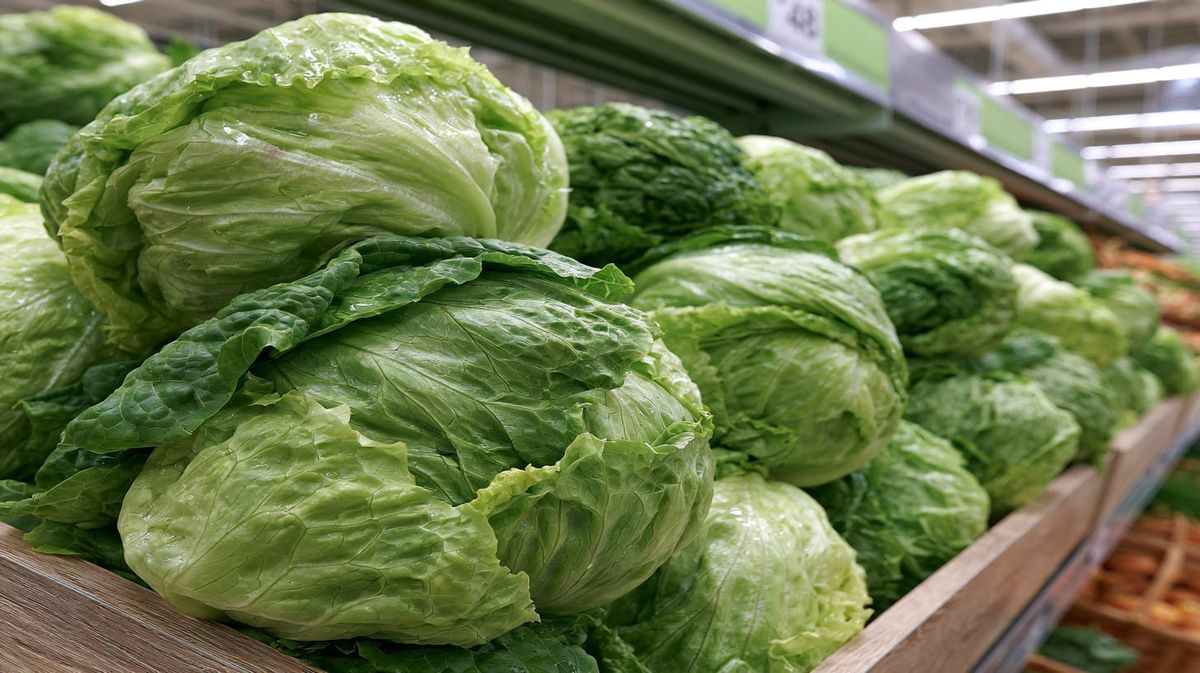
A false-positive test does not end the investigation
The FDA initially said a sample of Taylor Farms lettuce had tested positive for Cyclospora, but laboratory experts later determined that the finding was a false positive.
As of July 19, the agency said no food sample had produced a confirmed positive result for the parasite. However, the FDA said the laboratory reversal did not change the epidemiological and traceback evidence connecting the supplier to the five-state outbreak.
Cyclospora is unusually difficult to detect. Unlike Salmonella and E. coli, the parasite cannot be grown in laboratory cultures and subjected to routine whole-genome sequencing. Investigators therefore rely heavily on patient interviews, purchase records and supply-chain tracing.
Symptoms may not appear until one or two weeks after a person eats contaminated food. By then, patients may have difficulty remembering exactly what they ate, and the fresh produce involved may already have disappeared from stores and restaurants.
Why the outbreak may be larger than it appears
The reported totals probably understate the number of people affected.
Some patients recover without seeking medical care. Others may not be tested because routine stool tests do not always include Cyclospora unless a clinician specifically requests it.
The CDC also assumes a reporting delay of approximately six weeks between the onset of illness and inclusion in federal surveillance data. It expects confirmed totals to continue rising as pending cases are reviewed. (CDC)
Increased public awareness may also produce a surge in diagnoses without necessarily indicating that new infections are occurring at the same rate. Food-safety researchers say people who have been sick for days or weeks may now seek testing after hearing about the outbreak. (Reuters)
The lettuce cluster also does not explain every reported illness. Federal and state agencies are investigating several outbreaks and clusters that may have different food sources.
What Cyclospora does
Cyclospora cayetanensis is a microscopic parasite that infects the small intestine. People generally become ill after consuming food or water contaminated with fecal material containing the parasite.
The most common symptom is frequent, watery diarrhea. Other symptoms can include:
- Loss of appetite and weight loss
- Stomach cramps, bloating and gas
- Nausea and fatigue
- Headache, body aches and fever
- Dehydration
Symptoms can last for weeks or longer if the infection is not treated. They may improve temporarily and then return, sometimes several times.
People with weakened immune systems may develop more serious or prolonged illness. (U.S. Food and Drug Administration)
Cyclospora does not usually spread directly from one person to another because the parasite must mature in the environment before becoming infectious. Contamination is more likely to occur when produce or water comes into contact with human waste during growing, harvesting, processing or preparation. (CIDRAP)
What consumers should do
Consumers should check refrigerators for recalled Taylor Farms and Marketside iceberg products and discard or return them. Restaurants should be asked where their shredded iceberg lettuce originated if the source is unclear.
Anyone who develops persistent watery diarrhea — particularly after eating shredded iceberg lettuce during the previous two weeks — should contact a healthcare provider and mention the possibility of Cyclospora exposure.
Doctors can order a specific stool test and prescribe treatment. The standard treatment is usually the antibiotic combination trimethoprim-sulfamethoxazole, commonly known as TMP-SMX or Bactrim.
Consumers should also remember that washing produce reduces many contaminants but does not reliably eliminate Cyclospora. The parasite can adhere to irregular surfaces and crevices in leafy vegetables, and there is no practical household method that guarantees contaminated lettuce has been made safe.
The safest course during an active recall is to throw the product away rather than attempt to wash it.
The bottom line
This is not simply an increase caused by improved counting. State reports show an extraordinary volume of gastrointestinal illness, while thousands of additional cases remain under federal review.
Although investigators have identified shredded iceberg lettuce as the likely source of a major five-state cluster, other outbreaks remain unexplained. Because Cyclospora is difficult to test for and symptoms may not appear for up to two weeks, both the case count and the list of implicated foods could continue to change.
A useful companion would be a compact “Check your refrigerator” recall box listing the affected states, package sizes and date codes.