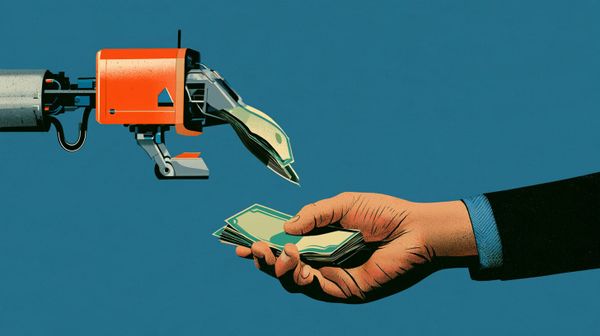
Consumer costs shift as inflation data, housing and autos compete for wallets
Inflation, war, tariffs - there's nowhere for consumers to hide from rising costs.
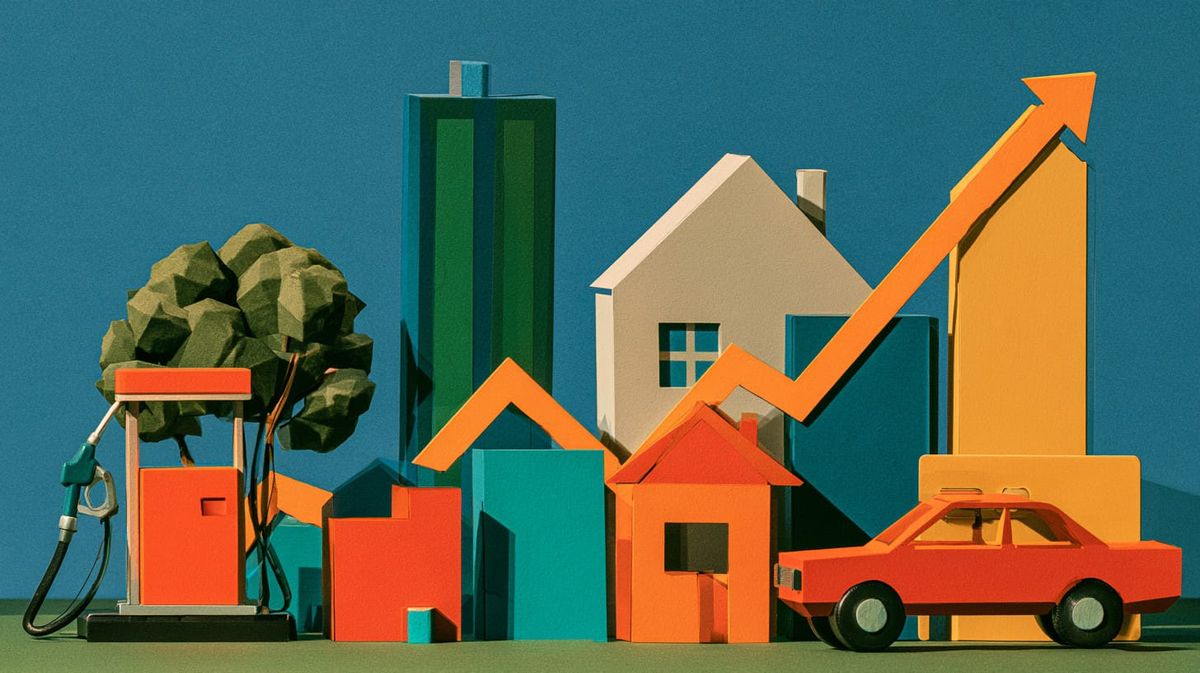
Consumers headed into the end of July with a familiar list of worries: whether prices are cooling, whether mortgage rates will ease, whether car costs are finally stabilizing, whether tariffs will raise everyday prices and whether energy swings will show up at the pump and on utility bills.
Taken together, the day’s coverage across major outlets showed a public still feeling the cumulative effect of higher borrowing costs and uneven price pressures, even as some inflation gauges show signs of slowing.
Prices: fresh inflation readings and what they signal for household budgets
Consumer prices posted their biggest decline in more than six years during June as a sharp swoon in energy prices provided at least temporary relief from this year's inflation surge, the Bureau of Labor Statistics reported Tuesday.
The consumer price index, a broad measure of costs for goods and services across the U.S. economy, was lower than expected across the board. The CPI fell a seasonally adjusted 0.4% for the month, bringing the annual inflation rate down to 3.5%.
"There might be some that look at this morning's data and say, 'Oh, mission accomplished, everything is swell,'" Fed Chairman Kevin Warsh said. "That is not my view."
The energy index slumped 5.7% in June, its biggest monthly drop since April 2020, though it still surged 15.7% on an annual basis, pushed by a 26.7% gain for gasoline. However, gasoline and fuel oil both saw decreases of more than 9% in June, CNBC reported.
What matters for consumers is the direction: when prices for essentials move quickly, families notice it immediately in weekly spending, while shifts in interest rates tend to show up more slowly in monthly payments and major purchases.
Housing: mortgage rates and the summer homebuying squeeze
Key Insights Mortgage rates saw an uptick in late March due to escalating tensions in Iran. While these rates are subject to frequent changes influenced by a variety of elements, opting for a rate lock can help smooth out these fluctuations.
Also, making biweekly payments, contributing extra funds toward the principal, and refinancing at lower rates can lead to substantial savings on interest over time.
At the end of February, mortgage interest rates reached their lowest level in over three years, dipping below 6%. However, this decline was brief, as ongoing conflict in Iran triggered a rise in mortgage rates throughout March.
By early April, the rates for 30-year mortgages had climbed to a six-month peak. Projections indicate that mortgage rates will likely continue to ascend, with inflation anticipated to reach 4.2%, as reported by the Organization for Economic Cooper via The Wall Street Journal.
Fears regarding the ongoing conflict in Iran have led to an increase in bond yields, which in turn has caused mortgage rates to climb. As reported by Mortgage News Daily, the average rate for a 30-year fixed mortgage increased by 7 basis points on Tuesday, reaching 6.75%. This marks the highest rate since July 31. In just the last ten days, rates have surged by 33 basis points and are currently 46 basis points above the recent low of 6.29% recorded in April. (CNBC)
Highest in six months
This week, the average long-term mortgage rate in the U.S. surged to its highest point in over six months, increasing borrowing expenses during a period that is usually the most active for potential home purchasers. According to mortgage buyer Freddie Mac, the benchmark 30-year fixed mortgage rate increased to 6.38%, up from 6.22% the previous week. A year prior, the average stood at 6.65%.
The last time the average rate exceeded this level was on September 4, when it reached 6.5%.
Autos: new-car demand, EV pricing and what dealers are seeing
General Motors (GM) experienced a decline in its stock, falling by 0.91%, as it and several competitors disclosed significant drops in year-end sales. This trend raises concerns about a potential slowdown in U.S. auto sales for the upcoming year as customers react to rising prices, according to The Wall Street Journal.
Credit card debt has continued to climb in the past year, and cardholders now owe a collective $1.28 trillion on their credit cards, the highest level on record.
But that's hardly the only issue that's looming. For many borrowers, the cost of carrying credit card debt has become just as concerning as the balances themselves. After all, average credit card interest rates remain near record highs at over 21%, meaning that millions of borrowers are also paying steep monthly interest charges on top of those large balances, making it even harder to reduce what they owe.
Credit card interest rates and the Fed March meeting
What borrowers need to know now Fed officials face a tricky balancing act heading into next week's meeting, as the ongoing uncertainty in today's economic landscape has made policymakers cautious about moving too quickly. As a result, analysts widely expect the Fed (CBS News) to hold the line for now.
Trade: tariff talk returns to the checkout line
The recent overhaul of tariffs by the White House marks yet another twist in President Trump's ongoing trade saga. Beneath the surface, this adjustment likely signifies more of what companies and consumers have become accustomed to: abrupt policy changes, disrupted supply chains, and increased costs for imported products.
Eighteen months into Trump's second term, tariffs have primarily manifested as higher prices, with inflation on goods significantly exceeding levels seen before the pandemic. The newly imposed tariffs have not only failed to weaken the $30 trillion U.S. economy but have also not fulfilled Trump's assertions that they would reduce the trade deficit and enhance domestic manufacturing.
The Trump administration will impose new tariffs just after midnight ET Friday on dozens of countries over alleged forced-labor violations, senior administration officials said Thursday. The duties, set between 10% and 12.5%, will effectively replace President Donald Trump's temporary 10% global tariffs, which are set to expire at the same time as the new ones take effect.
The new tariffs are being brought under Section 301 of the Trade Act of 1974, one of trade tools Trump has wielded since the Supreme Court struck down his global "liberation day" duties on Feb. 20. Hours after that court loss, a furious Trump said he would impose a worldwide 10% tariff under Section 122 of the 1974 trade law. But that tariff came with a 150-day timer that was set to lapse at 12:01 a.m. ET on Friday. (CNBC)
Energy: pump prices and utility bills stay volatile
The Trump administration on Friday imposed new tariffs of 10% and 12.5% on goods from 60 trading partners, including the European Union and China, over allegations of lax enforcement of forced labor bans, just as a temporary 10% global tariff expired.