Amazon Prime refunds expand: Millions more customers could get up to $200
A federal court has approved additiional refunds in last year's $2.5 billion settlement.
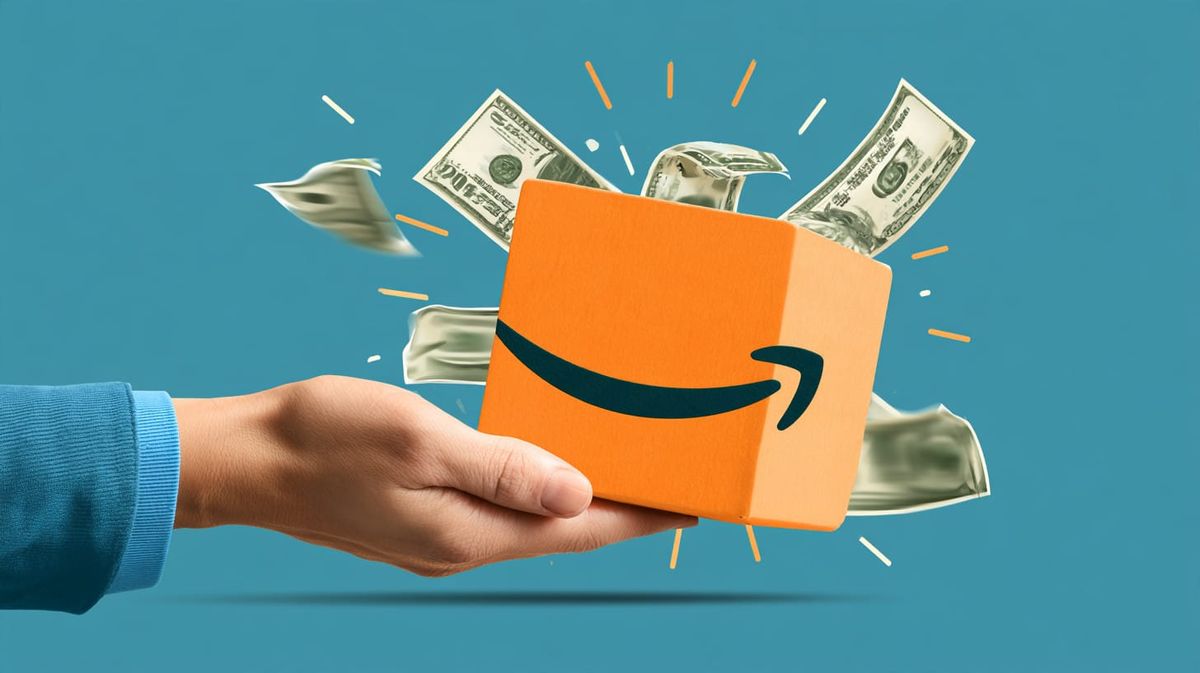
- Millions more Amazon Prime customers are now eligible for automatic refunds under the FTC’s $2.5 billion settlement with Amazon.
- The maximum total payment has increased from $51 to $200, with the next wave of automatic payments beginning Oct. 1.
- Eligible consumers do not need to file a claim or pay anyone to get their money; refunds will arrive automatically by check, PayPal or Venmo.
Millions of Amazon Prime customers who were left out of earlier refund rounds may soon receive money automatically — and some consumers who already received a payment could eventually get substantially more.
A federal court has approved changes to last year’s historic $2.5 billion settlement with Amazon, expanding eligibility for Prime refunds and raising the maximum total payment from $51 to $200 per customer, according to the Federal Trade Commission.
Amazon has already distributed more than $845 million to Prime customers under the settlement.
The next round begins Oct. 1, 2026, when Amazon will start sending automatic refunds to millions of additional consumers who weren’t covered by the earlier payment rules.
For consumers, the most important part is unusually simple:
If you qualify, you don’t need to do anything.
No claim form. No application. No fee.
Amazon will send payments automatically by mailed check, PayPal or Venmo.
Who is now eligible?
Under the revised order, consumers generally qualify if they meet all three of these conditions:
- They were a U.S. Amazon Prime customer.
- Between June 23, 2019 and June 23, 2025, they either enrolled in Prime through one of the enrollment processes challenged by the FTC or tried unsuccessfully to cancel Prime online.
- They used no more than 20 Prime benefits during any 12-month period after enrolling.
Prime benefits include services such as Prime Video and Prime Music as well as shipping benefits.
The biggest change is that earlier refund phases covered customers who had used fewer Prime benefits.
The revised order expands automatic payments to consumers who used 11 to 20 Prime benefits during a one-year period, adding millions of people who weren’t previously eligible for automatic redress.
Why usage matters
The settlement is intended primarily to compensate consumers who, according to the FTC’s allegations, were enrolled in Prime without knowingly choosing the subscription or who had difficulty canceling it.
Prime usage therefore became a proxy for whether someone knowingly wanted and benefited from the membership.
A customer who used dozens of Prime deliveries and streamed Prime Video regularly could be presumed to have knowingly used the subscription.
Someone who barely used Prime after enrollment might be more likely to have signed up inadvertently or been unable to cancel.
The revised settlement moves that line substantially, extending refunds to consumers who used as many as 20 benefits during a 12-month period.
How much could you get?
Eligible consumers will receive refunds for Prime subscription fees, subject to a maximum total payment of $200. Earlier rounds were capped at $51.
Under the revised order, people who already received and accepted a refund may become eligible for an additional payment of up to $149, bringing their total compensation to as much as $200.
Those supplemental payments depend in part on how much of the settlement fund remains after the new round of refunds.
If accepted payments have not reached the required threshold by February 2027, Amazon must begin issuing the additional payments by April 2027.
When will payments arrive?
For newly eligible consumers, automatic payments begin Oct. 1.
The FTC says eligible customers should receive their refund no later than April 2027.
Payments may arrive by:
- mailed check;
- PayPal; or
- Venmo.
Consumers should pay attention when a payment arrives.
The FTC says refund payments expire 60 days after issuance, so a check should be deposited promptly and an electronic payment should be accepted before it expires.
Why Amazon is paying refunds
The settlement dates to an FTC lawsuit filed in 2023 accusing Amazon of using deceptive website designs — sometimes called “dark patterns" – to enroll millions of consumers in automatically renewing Prime memberships without adequate consent.
The agency also accused Amazon of deliberately making cancellation unnecessarily difficult.
According to the FTC, Amazon leadership knew that making cancellation easier would reduce subscription revenue and slowed or rejected changes that would have simplified the process. Amazon settled the case in September 2025 without the litigation proceeding to trial.
The settlement required Amazon to:
- pay a $1 billion civil penalty;
- provide up to $1.5 billion in consumer refunds; and
- change Prime enrollment and cancellation procedures.
The $2.5 billion total made it one of the largest consumer-protection settlements in FTC history.
Amazon has already returned $845 million
The refund program began in November 2025.
By this month, Amazon had distributed more than $845 million to eligible Prime customers.
The expanded payment rules are intended to make sure more of the remaining consumer-redress money actually reaches customers rather than going unused because of restrictive eligibility requirements or an unclaimed-payment process.
One major change is particularly consumer-friendly:
All remaining refunds will now be automatic.
Earlier phases included some consumers who had to respond to notices or submit claims.
Under the revised order, consumers covered by future payments won’t have to fill out paperwork or respond to a notice to receive money.
Watch out for refund scams
Large settlements almost inevitably attract scammers.
The FTC is explicitly warning consumers that it is not contacting people about Amazon refunds.
If someone calls, texts or emails claiming to represent the FTC and offers to help obtain an Amazon refund, the agency says it is likely a scam.
Likewise:
- The FTC will never ask you to pay a fee to receive a refund.
- Amazon will never require payment to release settlement money.
- No legitimate representative can promise “special access” or guarantee a refund in exchange for personal information or money.
That’s especially important because the legitimate payment process may involve PayPal or Venmo, which scammers routinely impersonate.
If you are uncertain about a payment, go directly to the FTC’s Amazon refund page rather than clicking a link in an unsolicited message.
What if you never got your earlier refund?
Amazon, not the FTC, is administering the refund program.
The FTC directs consumers who have questions about missing payments or eligibility to the settlement administrator.
The official contact information listed by the FTC is:
Email: admin@SubscriptionMembershipSettlement.com
Phone: 1-888-999-8094
Consumers can also check the FTC’s Amazon refund page for current information.
What this means for consumers
The revised Amazon settlement is notable not merely because the payment cap increased.
It also fixes one of the persistent weaknesses of consumer settlements: making consumers jump through hoops to get the money supposedly set aside for them.
A $50 refund doesn’t help someone who never sees the notice, misses a deadline or abandons a complicated claim form.
By making future Amazon Prime refunds automatic, the revised court order puts the burden on Amazon to identify eligible consumers and send them their money.
That is a considerably more consumer-friendly model.
Amazon Prime refund checklist
You may qualify if:
- You were a U.S. Prime subscriber between June 23, 2019 and June 23, 2025.
- You enrolled through one of the Prime signup processes challenged by the FTC or tried unsuccessfully to cancel online.
- You used no more than 20 Prime benefits in a 12-month period.
You do not need to:
- submit a claim;
- fill out a form;
- pay a fee; or
- respond to the FTC.
Payments:
- Begin for newly eligible consumers Oct. 1.
- May arrive by check, PayPal or Venmo.
- Can total as much as $200 per eligible consumer.
- Must generally be accepted or deposited within 60 days.
And one final rule is worth remembering:
Anyone who asks you to pay money to receive your Amazon refund is not helping you get a refund. They’re trying to scam you.
The automatic-payment change may actually be the most important part of this update. The FTC is eliminating the familiar settlement problem where a large redress fund exists on paper but only a fraction of eligible consumers ever manage to claim it.