Airfares refuse to follow jet fuel down — and budget flyers head for the bus
Travel bargains evaporate as inflation hits food and retail just in time for Prime Day
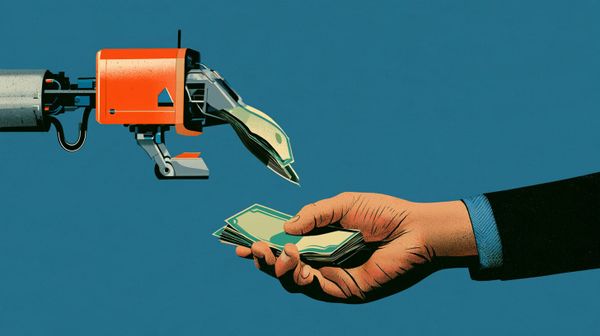
Even as the Iran deal sent jet fuel sharply lower, "airline ticket prices may stay high as carriers bank fuel relief from Iran deal," Reuters reported on its homepage Monday. The wire service said airlines "stand to save billions of dollars on jet fuel after an interim U.S.-Iran peace deal sent oil prices lower," but passengers "are unlikely to see immediate relief as tight capacity may allow carriers to keep fares well above pre-war levels."
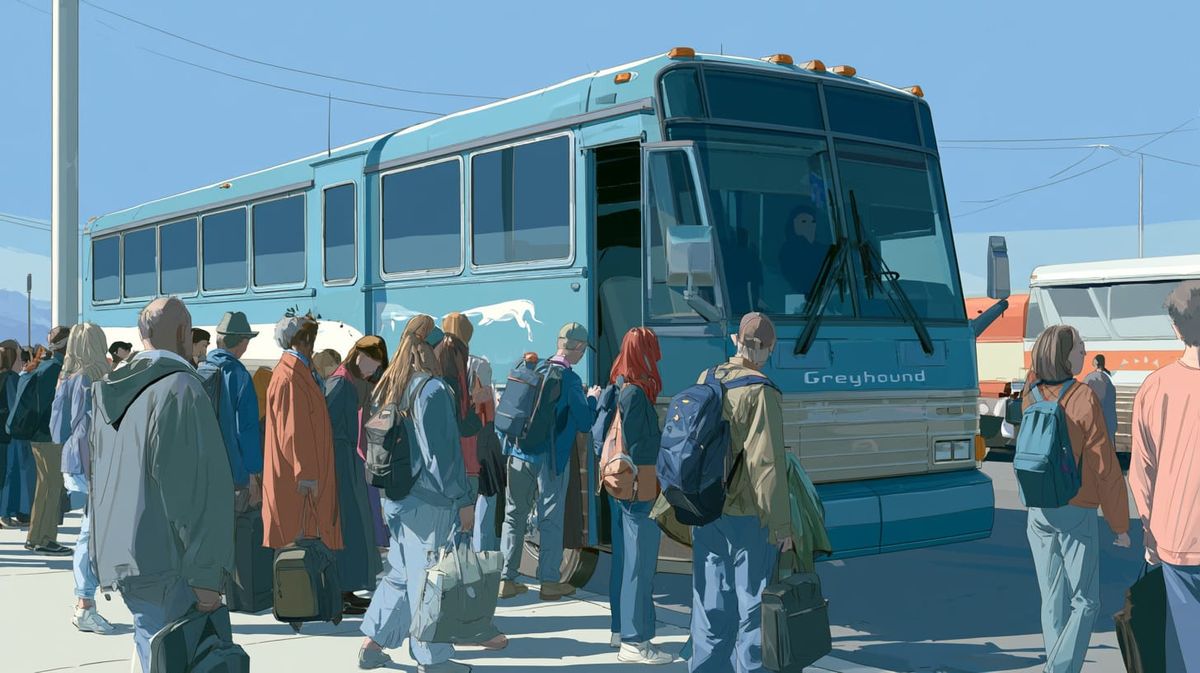
That stickiness is reshaping how Americans travel. The Wall Street Journal chronicled budget flyers who "can't fly Spirit anymore" after the discounter cut routes and are taking Greyhound, FlixBus and Amtrak instead — a migration that, together with rising trucking rates pushing freight back onto the railroads, the Journal reported separately, suggests U.S. transportation networks are reshuffling around fuel and labor costs that are not falling fast enough.
Safety pressures persist even as fares stay high. A close call at Boston's Logan International Airport last week brought two passenger jets within 300 feet of each other, an expert told The Associated Press, the latest in a string of near-misses that have rattled travelers. Cabins, meanwhile, are increasingly raucous: CBS News reported the pilot of an American Airlines flight approaching Philadelphia radioed that a passenger had bitten a fellow flyer.
Climate sticker shock arrives just in time for Prime Day
Bloomberg's feature Monday traced what climate change is costing Americans at the checkout. "The ongoing conflict in Iran is triggering a wave of inflation that is impacting the global marketplace," the magazine reported, but a "subtler yet significant factor" is reshaping prices for longer: severe heat and droughts are turning isolated weather shocks into recurring disasters that "devastate crops and disrupt supply chains," establishing climate-driven food inflation as "a permanent aspect of the economy." A companion Bloomberg newsletter reported U.S. tomatoes are set to be sharply more expensive this summer because of extreme weather.
The pinch is global. Goldman Sachs told CNBC Southeast Asia is staring at a food-supply shock as Middle East oil and fertilizer prices interact with a potentially severe El Niño, adding "an additional 1 percentage point to Southeast Asia's food inflation on average after six months, rising to 2.1 percentage points after a year." The Associated Press reminded readers U.S. wholesale producer prices rose 6 percent year over year last month — the most since December 2022 — and consumer prices "climbed sharply again last month as the 10-week war with Iran pushed energy prices higher."
Retailers are racing to meet shoppers where they hurt. Walmart Deals kicked off online at midnight Monday and runs through Sunday, June 28, head-to-head with Amazon Prime Day, NBC News reported. Big-box rivals are dangling sub-100-dollar grills for summer cookouts, also via NBC, and the Apple Watch Series 11 and AirPods Pro 3 are at lowest-ever prices. Even Bed Bath & Beyond is honoring decades-old coupons in a play for nostalgia-driven foot traffic, The Wall Street Journal reported. And back-to-school shopping is already underway, the Journal noted separately — a sign of how anxious retailers and consumers have become with prices still climbing.