Five squeezes, one wallet: The pressures hitting U.S. consumers this week
American consumers are walking into the second week of May juggling a tighter set of trade-offs than at any point this year.
Edited By ConsumerNews.ai staff | May 10, 2026
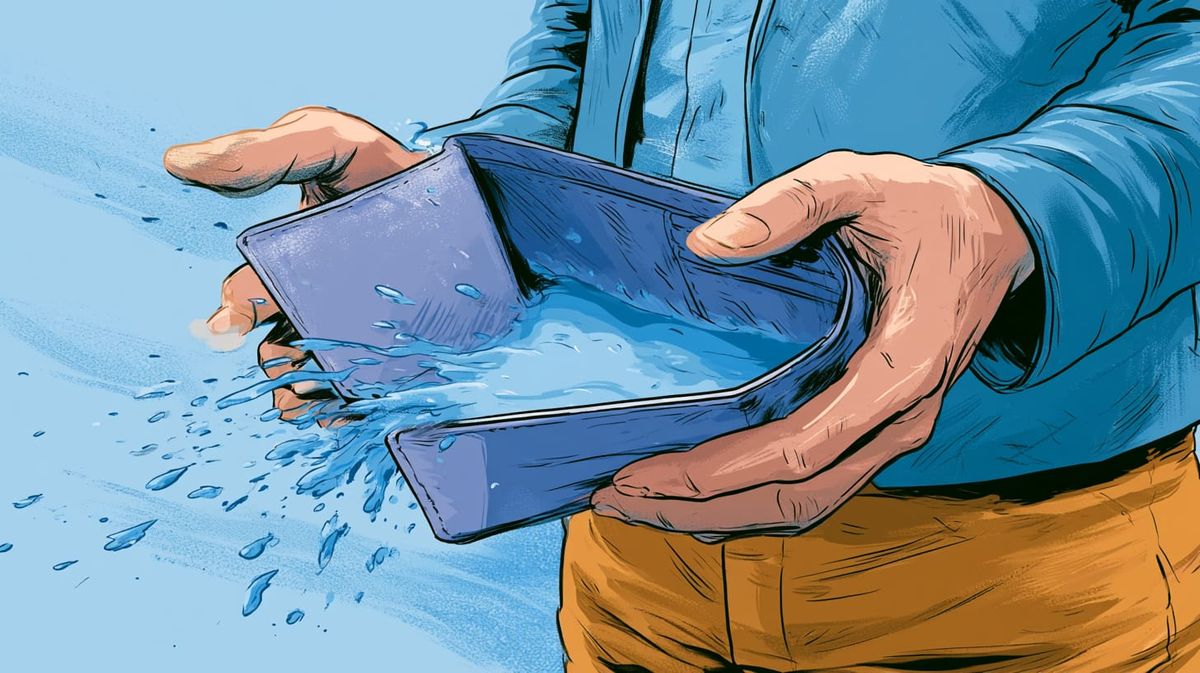
American consumers are walking into the second week of May juggling a tighter set of trade-offs than at any point this year. Gasoline is again the most expensive item in many household budgets, credit card balances have hit a record, grocery bills are creeping back up, health coverage is slipping out of reach for millions and the cost of borrowing for a car or a home keeps rising even as the Federal Reserve sits still.
A scan of the country's largest news organizations this weekend — including The New York Times, Reuters, CNBC, NBC News, CBS News and The Wall Street Journal — turned up five themes that dominated consumer coverage by sheer story count. Taken together, they paint the picture of a household economy that is still functioning, but increasingly on borrowed money and frayed nerves.
1. Gas prices and the Iran war
Nothing is squeezing American wallets more visibly than the price at the pump. The national average for regular gasoline hit $4.56 a gallon on Thursday, up more than $1.50 since the conflict with Iran erupted in late February, according to AAA data cited by CBS News. Drivers in Sacramento, California, are paying $6.16 a gallon, the highest in the country. Michigan's statewide average is $4.80.
Diesel, which moves nearly everything Americans buy, has climbed to $5.67 a gallon from $3.54 a year ago, threatening to push up the price of countless goods delivered by truck and rail.
The pain is not evenly shared. A report this week from the Federal Reserve Bank of New York found a "K-shaped" response to the price surge: households earning under $40,000 a year cut their gasoline consumption by 7 percent in March, while households earning more than $125,000 cut their use by just 1 percent and increased spending 19 percent. Bank of America data cited by CBS News found low-income families spent 4.2 percent of their income on gas in March, compared with 2.7 percent for wealthier households.
The typical car owner could pay roughly $876 more on fuel this year if prices stay elevated, according to an analysis by Sen. Edward Markey, D-Mass.
Mark Zandi, chief economist at Moody's Analytics, told CBS News he expects prices to settle near $3.50 a gallon by the end of 2026, "roughly 50 cents higher than the cost just before the war." White House spokeswoman Taylor Rogers said the administration's "ongoing successful blockade" of Iran would eventually let prices "plummet back to the multi-year lows Americans enjoyed prior to the start of Operation Epic Fury."
For drivers like Daniel Hock, a 33-year-old admissions adviser in Sacramento who now spends about $100 a week on gas — 9 percent of his pre-tax income — the politics matter less than the math. "I ultimately am the one footing the bill under a presidency that said that my gas prices would go down," he said.
2. Record credit card debt
The clearest sign that households are running out of cushion came Sunday from The New York Times, which reported that U.S. credit card balances "soared to an unprecedented $1.3 trillion" by the end of last year, according to the New York Fed's latest quarterly household debt report. Credit card applications in February hit their highest level since late 2022.
The Times described the trend as a "hamster wheel" of borrowing. Federal Reserve data show the share of after-tax income that families devote to debt repayment has been rising since early 2025.
The story put a face on the numbers in Alex Watts, a 36-year-old hospital nurse and father of three near Columbus, Ohio. The Watts household earns slightly more than $140,000 a year and carries excellent credit, yet a vehicle repair and a medical emergency have pushed monthly spending past income. The family has cut driving to save on fuel and has stopped contributing to savings.
"I am putting in between eight to twelve hours of overtime each week," Watts told the Times. "At best, we're breaking even, but there are times when our spending surpasses our income."
The pressure is being compounded by an unsettled debate in Washington over President Donald Trump's proposed 10 percent cap on credit card interest rates. Reuters reported that the Electronic Payments Coalition warned the cap would force the cancellation or sharp restriction of 82 to 88 percent of credit card accounts tied to scores below 740. A Vanderbilt Policy Accelerator study, by contrast, estimated the cap could save consumers up to $100 billion a year.
3. Groceries: eggs down, almost everything else up
Food is the second-most-cited household pressure point in this week's coverage, and the story is uneven. NBC News' grocery price tracker, updated this month, shows eggs are down about 30 percent from their spring 2025 peak. But orange juice is up 28 percent, ground beef is up 15 percent, and pork bacon and chicken have also risen since January 2025.
The Iran war is now bleeding into the grocery aisle. CNBC reported that the closure of the Strait of Hormuz is pushing up diesel costs critical for farmers and food transport, restricting fertilizer supplies and lifting the price of plastic packaging. "If it remains closed until summer, we will see considerable increases in food prices," economist Storesletten told the network.
Shoppers are also navigating a busy recall calendar. CBS News reported that Giant Eagle pulled baked pita chips over potential salmonella contamination tied to a California Diaries milk-powder recall, and separately recalled roasted turkey products across five states because of possible metal fragments. NBC News reported that Utz is recalling Zapp's and Dirty brand chips with July or August 2026 best-by dates over the same milk-powder issue.
4. Health care: Obamacare retreat and rising premiums
For the first time since the Affordable Care Act took effect, enrollment is going backward. The New York Times reported May 1 that initial sign-ups have already fallen by about 1.2 million people, and insurers and analysts expect an overall drop of nearly 20 percent — from 24 million covered under the law last year to roughly 19 million. A report from Oliver Wyman cited in the article puts the potential decline as high as 26 percent.
The driver is Congress's decision at the end of 2025 not to extend the enhanced premium tax credits enacted during the pandemic. Without those subsidies, monthly premiums jumped sharply, and many people simply dropped coverage.
The squeeze is not limited to the marketplaces. A Times opinion analysis on May 4 argued that hospital prices have grown faster than prices in virtually any other sector, helping push up employer-sponsored premiums and out-of-pocket costs. High-deductible plans continue to spread, shifting more risk to households already stretched by gas, food and debt service.
5. The cost of borrowing: cars and homes
The fifth pressure point is the price of money itself. CNBC reported May 6 that the average rate on a 30-year fixed conforming mortgage rose to 6.45 percent last week from 6.37 percent, sending overall application volume down 4.4 percent. First-time buyers are dropping out fastest. CBS News pegged the 30-year average at 6.37 percent on May 7, with refinance rates at 6.43 percent.
Auto debt is even more striking. CNBC reported that total U.S. auto debt has reached $1.68 trillion, with the average monthly car payment at $680 in 2025. Households earning under about $35,000 a year are paying an average of $738 a month — more than higher-income borrowers in absolute terms, and a far larger share of income.
Capital One, one of the country's largest auto lenders, told CNBC May 9 that the average monthly cost of car ownership has climbed from $390 to $525 since 2019, helping explain the rise of seven- and eight-year "forever loans" on used vehicles.
The travel budget is no relief valve. CNBC reported that fare experts are advising travelers to book now rather than wait out the Iran conflict, while NBC News warned that the era of cheap airfare from carriers like Spirit and Frontier "could be ending" as costs rise and the K-shaped economy hollows out the middle.
The bigger picture
Even with all of that, consumers have not stopped spending — yet. CNBC reported Sunday that retailers added nearly 22,000 jobs in April, about a fifth of all U.S. job growth, lifting industry employment to roughly 15.5 million, the highest level since July 2024. Job openings in retail were up 48 percent year over year in March, even as overall job listings fell.
"There were a lot of employers holding their breath last year," Cory Stahle, senior economist at Indeed, told CNBC. "Now these employers feel maybe a little more (confident) as they step forward."
But the warning lights are flashing. Whirlpool this past week pointed to weakening demand in the U.S. appliance industry as the Iran war eroded consumer confidence. McDonald's CEO Chris Kempczinski said the day after that the consumer "may be getting a bit worse." The University of Michigan's latest sentiment reading, released Friday, was at a record low, dragged down by gas prices.
Tariffs are quietly compounding all five pressures. The Yale Budget Lab and the Tax Foundation estimate the average household will absorb $570 to $600 in additional costs in 2026 from current tariffs — even after the Supreme Court struck down a major piece of the administration's trade strategy in February. As The New York Times noted, retailers that raised prices to cover tariffs have been slow to bring them back down.
For now, the American consumer is still on the field. The question every retailer, lender and policymaker is watching this week is how long shoppers can keep pulling out the credit card before the math, like Alex Watts's, finally tips the wrong way.